A multifaceted food safety and agricultural crisis is unfolding across Europe, with Romania launching criminal investigations into pesticide-contaminated fruit imports while severe weather disrupts food supply chains from the Netherlands to Portugal, exposing critical vulnerabilities in the continent's food security infrastructure.
Romanian police have initiated a comprehensive investigation into the distribution of fruits containing dangerously high levels of pesticides, suspected to have originated from Egypt but with falsified documentation regarding their true source. The investigation was launched by the Bucharest General Police Directorate following reports of contaminated produce entering the Romanian market through fraudulent import channels.
The Romanian case represents the latest in a series of food safety incidents that have plagued Europe throughout early 2026, following the devastating infant formula crisis that affected over 36 infants across multiple European countries with cereulide toxin contamination from major manufacturers including Nestlé and Danone.
Weather Catastrophe Disrupts Supply Chains
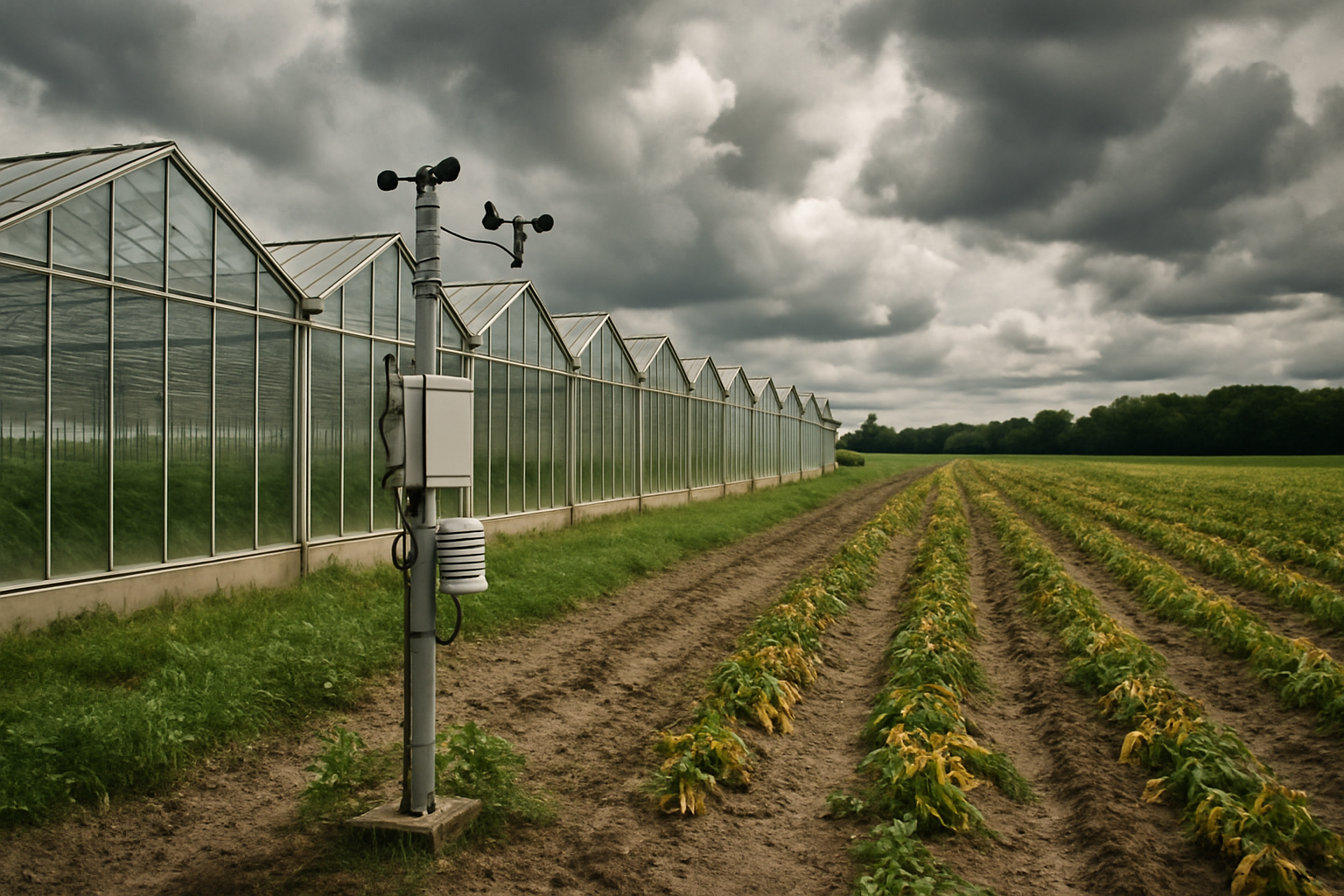
Meanwhile, extreme weather conditions are causing unprecedented disruption to European food systems. Dutch supermarkets are experiencing severe shortages as prolonged and extreme rainfall in southern Spain and Morocco has devastated key agricultural regions that supply much of the Netherlands' fresh produce imports.
The situation in Portugal has become equally dire, where weeks of relentless storms have prevented fishing vessels from launching, leading to complete depletion of domestic fish stocks in supermarkets. Portuguese retailers are now forced to rely entirely on imports or aquaculture to meet consumer demand, driving up prices and raising concerns about food security for the nation's coastal communities.
These weather-related disruptions come during what climatologists have confirmed as the 18th consecutive month of global temperatures exceeding 1.5°C above pre-industrial levels, with January 2026 marking the hottest month ever recorded. The extreme weather patterns are forcing rapid adaptations across European agricultural and food distribution systems.
Romania Addresses Food Price Inflation
Adding to the crisis, Romania's Agriculture Minister Florin Barbu has announced plans to advance new legislation through government and parliament targeting food price inflation through commercial markup caps. The proposed mechanism would automatically activate when inflation exceeds 5-6%, representing a significant intervention in the country's food pricing system.
The initiative comes as Romania grapples with food price inflation that reached 7.75% at the end of 2025, while headline inflation hit 9.69% year-over-year. Minister Barbu's approach reflects growing government concern about food affordability as supply chain disruptions compound inflationary pressures.
Romania currently operates a commercial markup mechanism that is scheduled to expire at the end of the first quarter of 2026, but the new legislation would establish a permanent framework for price controls during periods of excessive inflation.
Historical Context of Crisis
The current European food crisis builds upon a troubling pattern established throughout early 2026. The continent has already endured multiple serious food safety incidents, including the widespread cereulide toxin contamination in infant formula that affected dozens of babies across the UK, France, Luxembourg, and Greece.
Previous investigations have revealed systemic vulnerabilities in Europe's industrial food processing systems, despite sophisticated safety protocols. The heat-stable nature of cereulide toxin, which survives pasteurization and boiling water, exposed gaps in conventional bacterial testing methods that food safety authorities are still working to address.
Social media has emerged as an unexpected enforcement tool, with viral videos and public reporting accelerating regulatory responses to food safety violations across the continent. This citizen-driven monitoring has led to restaurant closures, product recalls, and enhanced inspection regimes in multiple countries.
Supply Chain Vulnerabilities Exposed
The convergence of weather disruptions and food safety incidents has exposed critical vulnerabilities in Europe's interconnected food supply chains. The Netherlands' dependence on Spanish and Moroccan produce, Portugal's reliance on domestic fishing, and Romania's susceptibility to fraudulent imports all highlight the complex dependencies that modern food systems have created.
"The extreme rainfall in southern Spain and Morocco is having unprecedented impacts on our fresh produce availability. We're seeing shortages across multiple product categories that Dutch consumers have come to expect year-round."
— Dutch Retail Industry Source
Agricultural experts point to climate change as a fundamental driver of the increasing frequency and intensity of these disruptions. The traditional growing seasons and weather patterns that European food systems were designed around are being fundamentally altered by rising global temperatures and increasingly volatile weather systems.
Economic and Social Implications
The food crisis is creating significant economic pressures across affected nations. Dutch retailers face supply shortages just as Romanian consumers confront potential price controls, while Portuguese fishing communities struggle with lost income from storm-related fishing bans.
The situation is particularly challenging for lower-income households, who spend a disproportionate share of their income on food. Romania's proposal for markup caps reflects government recognition that food price inflation has reached levels that threaten social stability and consumer welfare.
Insurance costs for food companies are rising as contamination incidents increase, while investment in molecular testing capabilities and enhanced safety protocols requires significant capital expenditure. The economic model of Europe's food industry is under pressure to adapt to both climate risks and enhanced safety requirements.
International Coordination Efforts
European food safety authorities are intensifying coordination efforts to address cross-border contamination risks and supply chain vulnerabilities. The European Food Safety Authority (EFSA) has revised safety thresholds for various contaminants, including the cereulide toxin that caused the recent infant formula crisis.
Enhanced molecular testing protocols are being developed to detect heat-stable toxins that survive conventional processing methods. International cooperation is focusing on standardized detection methods, shared databases of contamination incidents, and coordinated response mechanisms for cross-border food safety emergencies.
Looking Forward: Adaptation and Resilience
Industry experts predict that 2026 will be remembered as a turning point for European food systems, requiring fundamental adaptations to address both climate vulnerabilities and safety challenges. The current crisis is accelerating discussions about supply chain diversification, enhanced local production capabilities, and more resilient food distribution networks.
Climate-adaptive processing technologies are being developed to handle the increasing variability in agricultural inputs, while prevention-focused safety approaches are replacing reactive enforcement strategies. Traditional dietary wisdom is being integrated with modern safety science to create more robust food systems.
The convergence of extreme weather, safety failures, and economic pressures is forcing European policymakers to reconsider fundamental assumptions about food security. The current crisis may ultimately catalyze the development of more resilient, sustainable, and equitable food systems that better serve both producers and consumers in an era of climate uncertainty.
As investigations continue in Romania, weather patterns stabilize in affected regions, and new safety protocols are implemented continent-wide, the lessons learned from this multifaceted crisis will likely shape European food policy for years to come.