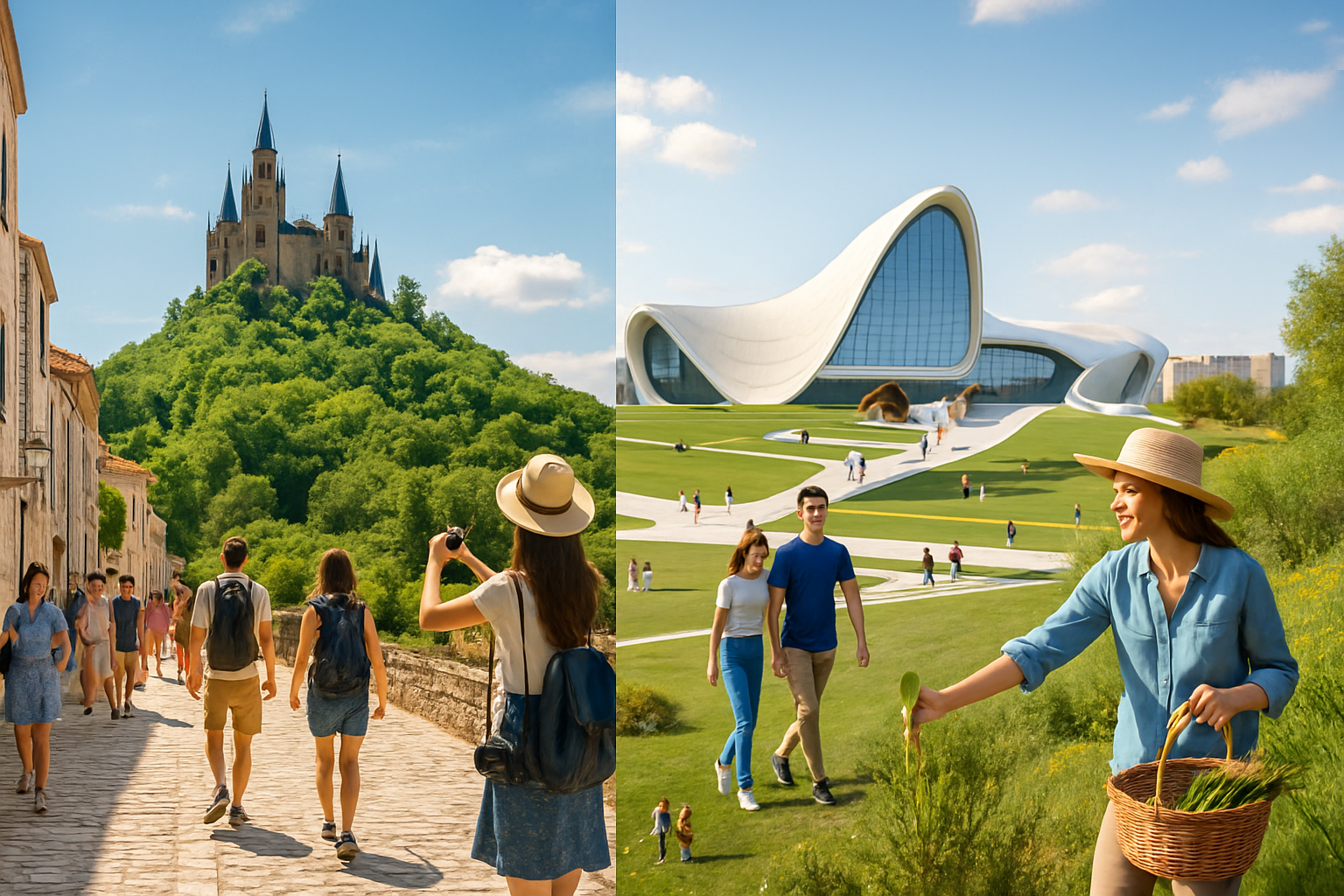
European tourism is experiencing a remarkable renaissance as destinations across the continent and its periphery showcase innovative strategies, cultural authenticity, and adaptive management approaches that position the region as a global leader in sustainable travel development.
The diverse developments spanning from Algeria's strategic international marketing initiatives to Germany's hidden gems in Baden-Württemberg demonstrate how European destinations are leveraging their unique assets while embracing collaborative approaches to tourism development. This comprehensive regional transformation reflects broader industry shifts toward quality-focused strategies, technological integration, and sustainable practices that prioritize community benefits alongside economic growth.
Algeria's Strategic International Positioning
Algeria continues its ambitious efforts to promote its tourism destination in international markets through participation in the 32nd International Tourism and Travel Fair "MITT Moscow," held from March 11-13, 2026, in the Russian capital. This participation forms part of the Ministry of Tourism and Traditional Industry's strategic initiative to strengthen Algeria's presence in major global markets while supporting bilateral cooperation with Russia in tourism promotion.
The initiative represents Algeria's evolution from a traditionally resource-focused economy toward diversification through cultural and heritage tourism. The country's participation in high-profile international events demonstrates sophisticated destination marketing strategies that leverage historical connections with key partners while expanding into new markets.
Azerbaijan's Global Connectivity Role
Azerbaijan has emerged as far more than an energy supplier, becoming a vital link in the broader network of global connectivity. The ongoing turbulence in the Middle East has highlighted how the South Caucasus, with Azerbaijan at the helm, could influence the flow of goods, passengers, and strategic influence across continents for decades to come.
As regional analysts warn, a destabilized Caucasus would be disastrous for Europe, potentially paralyzing communication and resource delivery. This strategic positioning makes Azerbaijan a critical actor both regionally and globally, particularly as tourism patterns shift away from traditional Gulf destinations due to geopolitical uncertainties.
The country's focus on becoming a tourism hub represents a calculated diversification strategy that leverages its unique geographical position as a bridge between Europe and Asia. This positioning becomes increasingly valuable as travelers seek alternative routes and destinations amid regional instabilities elsewhere.
Croatia's Seasonal Tourism Innovation
Croatia continues to demonstrate tourism innovation through authentic seasonal experiences, exemplified by the beginning of wild asparagus season. Often called the "queen of spring," wild asparagus represents one of the first true signs of spring in Croatia, offering visitors unique foraging experiences that connect them directly with local traditions and seasonal rhythms.
This development aligns with Croatia's broader tourism strategy, which includes deploying 62 tourist medical clinics for the 2026 season—Europe's most extensive seasonal healthcare network. Such infrastructure investments demonstrate the country's commitment to comprehensive visitor services that extend far beyond traditional hospitality offerings.
The wild asparagus season also highlights Croatia's evolution toward authentic, experience-based tourism that celebrates natural cycles and traditional practices. Market prices for wild asparagus, foraging tips, and permit rules all contribute to a regulated approach that balances tourist access with environmental protection and community benefits.
Germany's Hidden Destination Gems
Baden-Württemberg emerges as a compelling example of Germany's diverse tourism offerings, showcasing eight destinations that capture the region at its most beautiful, surprising, and quietly unforgettable. From alpine lakes to fairy-tale castles and Black Forest panoramas, these destinations represent authentic German experiences beyond the typical tourist circuits.
The focus on Baden-Württemberg reflects broader European trends toward promoting lesser-known destinations that offer high-quality experiences while avoiding the overtourism challenges facing more famous locations. This approach aligns with sustainable tourism principles that distribute economic benefits more broadly while preserving the character of individual communities.
These developments occur within Germany's sophisticated tourism infrastructure, which includes extensive rail connectivity, cultural preservation initiatives, and community-focused development models that ensure tourism benefits reach local populations while maintaining environmental sustainability.
Technology and Sustainable Development Integration
The European tourism renaissance demonstrates sophisticated integration of technology with authentic cultural experiences. Rome's Trevi Fountain €2 entry system generates €6 million annually while managing overcrowding, providing a sustainable template for heritage site management. Venice has expanded its entry fee system to 60 days in 2026, compared to 29 days in the 2024 pilot phase, demonstrating iterative improvement in visitor management systems.
These technological solutions enhance rather than replace authentic cultural experiences, addressing practical challenges while preserving the essence of European heritage sites. The success of such systems influences destinations across the continent to adopt similar approaches that balance accessibility with preservation.
Regional Cooperation and Economic Impact
The European approach emphasizes regional cooperation over individual destination competition, creating multi-destination experiences through coordinated marketing, collaborative infrastructure development, and shared best practices. Austria's European Marathon Classics, featuring eight iconic marathons across the continent, exemplifies this collaborative spirit.
Economic multiplier effects extend beyond traditional hospitality sectors to include transportation improvements, cultural industry support, artisan networks, and year-round employment creation. Cyprus achieved record performance with 4.5 million visitors in 2025, generating €3.6 billion in revenue through market diversification strategies that reduced dependence on single source markets.
This economic success demonstrates how quality-focused tourism strategies can deliver superior financial results while maintaining cultural authenticity and community benefits. The emphasis on per-visitor spending rather than pure arrival numbers reflects industry maturation toward sustainable development models.
Climate Resilience and Adaptation
European tourism development increasingly incorporates climate resilience as a fundamental planning consideration. January 2026 marked the 18th consecutive month of global temperatures exceeding 1.5°C above pre-industrial levels, making adaptive capacity essential for long-term competitiveness.
Portugal's "O Turismo acolhe" project, which connects tourism accommodations with storm-displaced people, demonstrates how tourism infrastructure can serve broader community resilience functions beyond traditional hospitality. Such initiatives show how the industry can contribute to social stability while maintaining operational viability.
Industry Transformation and Future Outlook
The European tourism renaissance reflects fundamental industry transformation characterized by quality-focused strategies over volume-based approaches, authentic cultural experiences over standardized products, and community engagement over pure economic extraction. Generation Z travelers, representing 50% of those making multiple trips over five days annually, drive demand for AI-integrated travel planning combined with meaningful cultural engagement.
Success factors consistently include cultural authenticity preservation, enhanced visitor experiences through strategic infrastructure investment, climate-resilient development, meaningful community involvement, and international cooperation. The industry's evolution toward sophisticated destination management balances economic objectives with community benefits, cultural preservation, and environmental responsibility.
As the global tourism industry navigates unprecedented challenges including geopolitical instabilities, climate change impacts, and evolving consumer preferences, European destinations demonstrate how adaptive strategies, collaborative approaches, and commitment to sustainability can create resilient tourism economies that serve both visitors and local communities effectively.
The March 2026 developments across Algeria, Azerbaijan, Croatia, and Germany establish templates for tourism evolution that could define industry standards for decades ahead, showing how authentic experiences, strategic infrastructure investment, and international cooperation can drive success in an increasingly complex global marketplace.