Transportation authorities across Europe announced widespread service disruptions and infrastructure maintenance activities this week, underscoring mounting pressures on aging public transport networks as winter weather and increased ridership strain systems from Sarajevo to Amsterdam.
Sarajevo Tram System Requires Emergency Maintenance
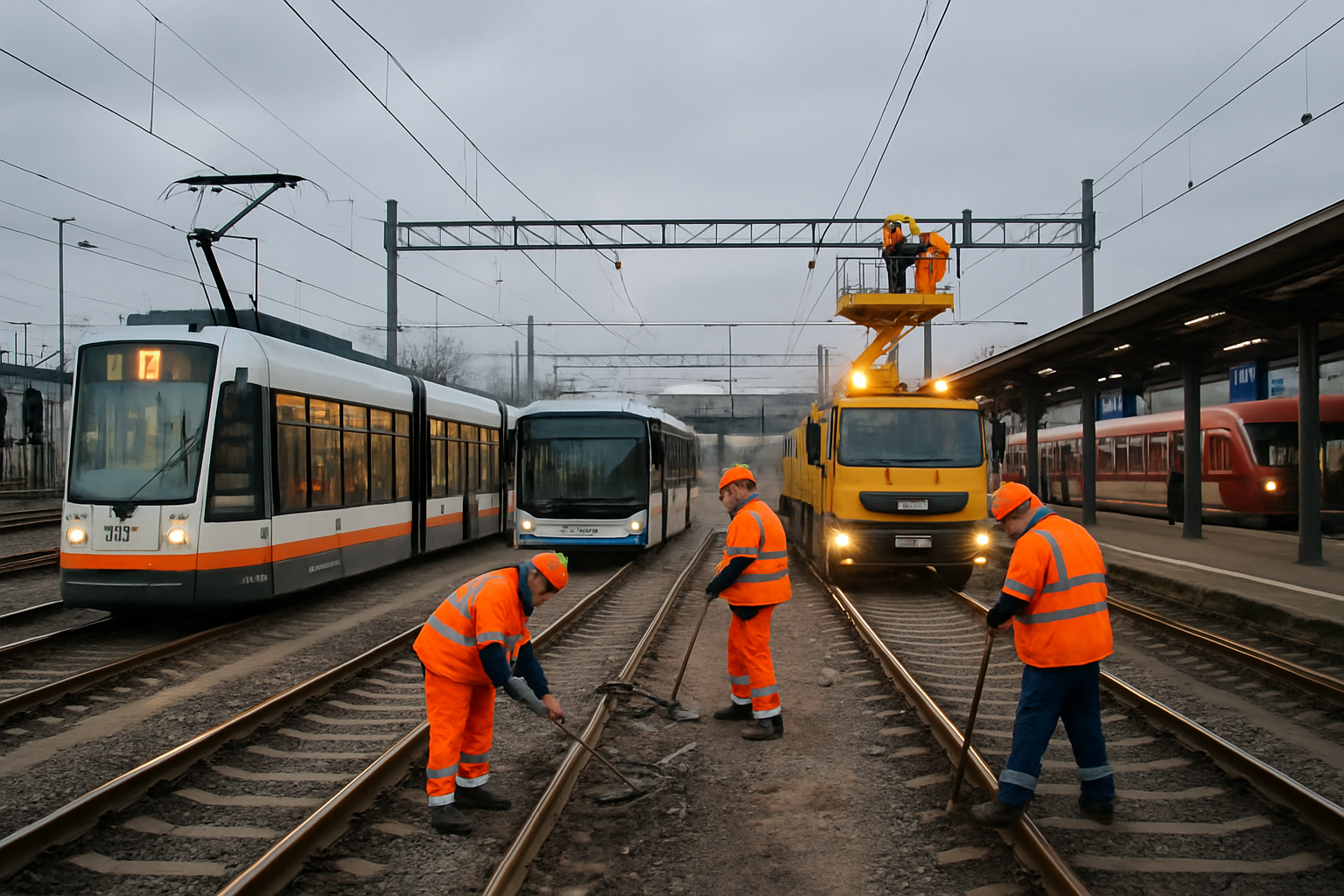
Bosnia and Herzegovina's capital faces significant disruptions to its historic tramway system as Javno komunalno preduzeće Gradski saobraćaj (GRAS) announced immediate service changes for overnight operations on the critical Ilidža-Baščaršija route. The company confirmed that buses will replace tram services during night hours from Tuesday to Wednesday (February 17-18) to allow for mandatory contact network inspections.
The maintenance work, described as "planned regular inspections of the tram contact network," comes at a particularly sensitive time for Sarajevo's public transportation system. The decades-old tram infrastructure serves as a vital lifeline for residents traversing the city's challenging topography, connecting suburban areas like Ilidža with the historic Baščaršija district in the city center.
GRAS officials emphasized that the inspection work is part of routine maintenance protocols designed to ensure system safety and reliability. However, the timing reflects broader concerns about infrastructure sustainability across post-war Bosnia and Herzegovina, where transportation networks face ongoing challenges related to modernization funding and technical upgrades.
France Ends Iconic Airport Shuttle Service
Meanwhile in France, a significant chapter in Parisian transportation history concludes as the RoissyBus shuttle service prepares for its final journey on Saturday, February 28th. The long-standing connection between central Paris and Charles de Gaulle airport, operated by RATP (Régie Autonome des Transports Parisiens), will permanently cease operations after decades of service.
The termination of RoissyBus represents more than just a route closure – it signals a fundamental shift in how French transportation authorities approach airport connectivity. The service has been a reliable option for travelers seeking affordable transportation between the capital and one of Europe's busiest aviation hubs, handling millions of passengers annually.
Transportation analysts suggest the closure reflects broader strategic realignments within France's public transit network, potentially favoring alternative modes such as expanded rail connections or privatized shuttle services. The decision comes as airports worldwide reassess ground transportation strategies in the wake of changing travel patterns and evolving passenger expectations.
Dutch Railway System Braces for Weekend Disruptions
The Netherlands' national railway operator NS has issued warnings to passengers about significant service disruptions expected throughout the coming weekend due to extensive maintenance work across multiple routes. The maintenance schedule will result in busier trains, longer travel times, and complete line closures on several key corridors.
NS officials confirmed that some railway lines will be entirely shut down for scheduled maintenance activities, forcing passengers to seek alternative transportation or adjust their travel plans accordingly. The scope of the maintenance work reflects the Netherlands' commitment to maintaining one of Europe's most efficient and heavily utilized railway networks.
The timing of these maintenance activities during weekend hours follows standard European practice of conducting major infrastructure work during periods of lower commuter demand. However, the extensive nature of the current maintenance schedule suggests significant underlying work is required to maintain system reliability and safety standards.
Broader Infrastructure Challenges Across Europe
These simultaneous maintenance activities across three different countries highlight the complex challenges facing European public transportation systems in 2026. The convergence of aging infrastructure, increased ridership demands, and evolving safety standards creates a maintenance backlog that requires careful scheduling and substantial investment.
According to recent infrastructure assessments, European transportation networks face an estimated €570 billion in modernization and maintenance needs over the next decade. This includes everything from track replacement and electrical system upgrades to digital integration and climate adaptation measures.
The situation is particularly acute in post-conflict regions like Bosnia and Herzegovina, where infrastructure development was interrupted for decades, creating ongoing maintenance challenges. Sarajevo's tram system, while historic and culturally significant, requires continuous investment to meet modern safety and efficiency standards.
Impact on Daily Commuters and Economic Activity
Transportation disruptions carry significant economic implications beyond passenger inconvenience. In Sarajevo, tram service interruptions affect thousands of daily commuters who rely on public transport for access to employment, education, and essential services. The replacement bus services, while functional, often operate with reduced frequency and capacity.
The closure of Paris's RoissyBus service particularly impacts international travelers and tourism industry workers who depend on affordable airport connections. Alternative transportation options, including taxi services and private shuttles, typically cost significantly more than the €13.70 RoissyBus fare, creating additional financial burden for frequent travelers.
Dutch railway maintenance, while necessary for long-term system reliability, creates cascading effects throughout the interconnected European rail network. International travelers using Netherlands as a transit hub must account for potential delays and alternative routing during maintenance periods.
Technology and Modernization Initiatives
European transportation authorities increasingly rely on advanced scheduling and communication systems to minimize maintenance-related disruptions. Digital platforms now provide real-time updates about service changes, allowing passengers to make informed travel decisions and reducing uncertainty.
The Netherlands leads Europe in implementing predictive maintenance technologies that use sensor data and artificial intelligence to optimize maintenance scheduling. These systems can identify potential equipment failures before they occur, allowing for proactive rather than reactive maintenance approaches.
However, implementing such advanced technologies requires substantial initial investment and technical expertise – resources that may be limited in smaller systems like Sarajevo's tram network. This creates a growing divide between highly automated systems in wealthy countries and more traditional maintenance approaches elsewhere.
Climate Adaptation and Resilience Planning
Recent extreme weather events across Europe have highlighted the vulnerability of transportation infrastructure to climate-related disruptions. Maintenance schedules increasingly incorporate climate resilience measures, including improved drainage systems, weather-resistant materials, and backup power systems.
The timing of current maintenance activities reflects lessons learned from previous winter disruptions, when inadequate preparation led to extended service outages. Transportation authorities now prioritize preventive maintenance during favorable weather conditions to avoid emergency repairs during peak demand periods.
This proactive approach requires sophisticated forecasting and resource planning capabilities that are still being developed across the European transportation sector. The coordination between meteorological services and transportation authorities has become essential for maintaining service reliability.
Future of European Public Transportation
The current wave of maintenance activities represents both challenges and opportunities for European public transportation development. While service disruptions create short-term inconvenience, they enable long-term improvements in system reliability, safety, and efficiency.
European Union transportation policy increasingly emphasizes intermodal integration, where different transportation modes work together seamlessly. This requires standardized maintenance schedules, compatible communication systems, and coordinated service planning across national boundaries.
Investment in maintenance and modernization also supports broader environmental goals by maintaining the attractiveness of public transportation compared to private vehicle use. Well-maintained, reliable public transport systems are essential for achieving European climate targets and reducing urban congestion.
As these maintenance activities conclude in the coming weeks, transportation authorities will assess their effectiveness in improving system performance and passenger satisfaction. The lessons learned will inform future maintenance strategies and investment priorities across the European transportation network.