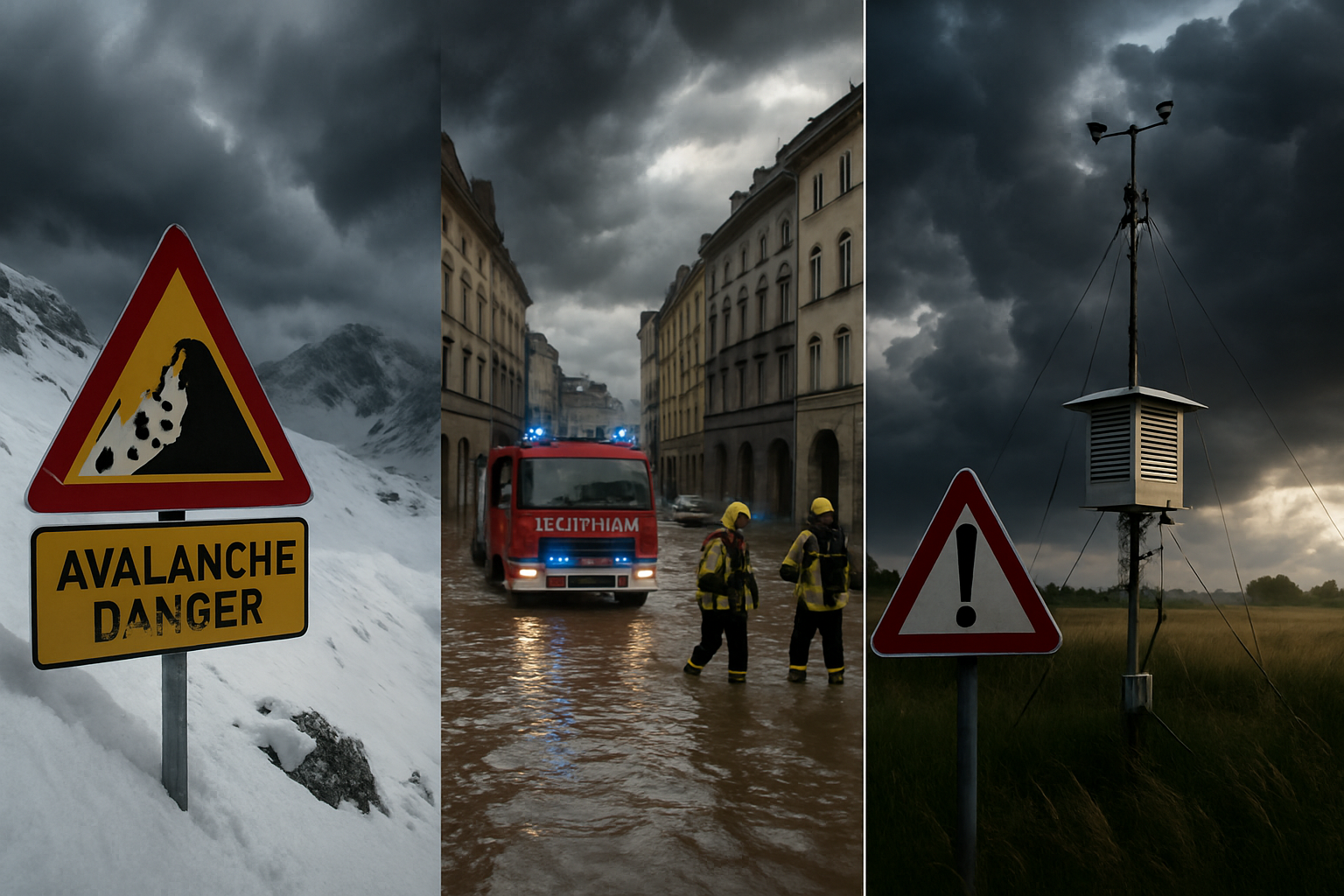
European nations are grappling with an extraordinary range of weather conditions this February, from Bulgaria's mild temperatures to unexpected mountain snow in Cyprus and serious infrastructure challenges in Finland, highlighting the increasingly volatile and unpredictable nature of climate patterns across the continent.
The Continental Weather Divide
Bulgaria is experiencing relatively calm conditions with predominantly sunny skies and temperatures ranging from 7-12°C, according to meteorological forecasts. Sofia is expected to see temperatures around 9°C, while mountain regions above 1,200 meters will experience cooler conditions around 3°C, dropping to minus 3°C at 2,000 meters elevation.
In stark contrast, Cyprus faces an unusual weather pattern with mainly clear skies giving way to afternoon cloud buildup that could bring isolated showers and light snow to higher elevations. Temperatures will reach around 13°C inland and 15°C on coastal areas, but drop dramatically to about 2°C on the highest peaks where frost is expected.
Denmark presents a different challenge entirely, with heavy gray skies and wet conditions dominating the weekend forecast. The Danish Meteorological Institute describes a "gray and wet soup-like weather pattern" that will characterize much of the weekend, with only brief clearing expected on Sunday.
Infrastructure Under Pressure
Finland faces perhaps the most serious immediate challenges, where natural forces have damaged pier structures at Tuira swimming beach in Oulu. The Oulujoki River's ice formations have repeatedly broken structures during winter months, creating ongoing infrastructure vulnerabilities that winter swimmers have come to expect as routine.
According to local reports, "millions of cubic meters of flow and ice" have contributed to the destruction of swimming facilities, demonstrating how extreme weather and ice conditions are testing infrastructure resilience across Northern Europe.
Temperature Extremes and Seasonal Shifts
Latvia is experiencing what meteorologists call an "thaw period" with gray weather conditions prevailing, though eastern regions may see some icing conditions. The contrast is particularly notable as the country had been experiencing deeper winter conditions in recent weeks.
Slovakia stands out with an remarkable warm spell, with meteorological forecasts promising sunny skies and temperatures that "resemble advanced spring rather than the end of winter." Some southern regions could see temperatures reaching 14°C, highly unusual for late February conditions.
"The meteorological forecasts for Friday, February 27th promise sunny skies and temperatures that in the warmest regions will remind us more of advanced spring than the end of winter."
— Slovak Weather Service
Climate Context and Historical Perspective
These diverse weather patterns across Europe occur during what climate scientists have identified as the 18th consecutive month of global temperatures exceeding 1.5°C above pre-industrial levels. January 2026 was confirmed as the hottest month in recorded history, demonstrating how human-induced climate change is now overriding natural climate variability, including La Niña cooling effects.
The current weather volatility across Europe exemplifies what researchers term the "climate volatility paradox" - where global warming enables both unprecedented heat records and extreme regional weather events simultaneously. This occurs through mechanisms such as polar vortex disruption and altered Atlantic circulation patterns.
Regional Impacts and Adaptation Challenges
Each country faces distinct adaptation challenges based on their specific weather patterns. Bulgaria's relatively stable conditions mask longer-term climate pressures affecting agriculture and water resources. Cyprus must manage both tourism expectations and the reality of unexpected mountain weather affecting winter activities.
Denmark's persistent wet conditions challenge urban drainage systems and transportation networks, while Finland's ice-related infrastructure damage represents a growing maintenance burden for coastal and waterway facilities. Latvia's temperature fluctuations between freezing and thawing create hazardous road conditions and stress building materials.
Slovakia's unseasonably warm temperatures, while pleasant for residents, create concerns about disrupted seasonal patterns affecting agriculture, energy consumption for heating, and natural ecosystem rhythms.
Looking Forward: The New Climate Reality
Climate scientists emphasize that the extreme weather variability witnessed across Europe in February 2026 represents a preview of routine conditions expected in the 2030s without significant climate adaptation investments. The dramatic differences between neighboring countries - from snow warnings in Cyprus to spring-like temperatures in Slovakia - demonstrate the increasing difficulty of seasonal planning and infrastructure management.
Emergency services across the continent are adapting to more frequent extreme weather events, while infrastructure systems designed for historical climate patterns increasingly operate beyond their design parameters. The choice between reactive crisis management and transformative adaptation approaches becomes more critical as weather volatility accelerates.
International Cooperation and Future Preparedness
The diversity of weather challenges across European nations underscores the need for enhanced international cooperation in climate adaptation strategies. While some countries experience mild conditions, others face immediate infrastructure threats, highlighting how climate change affects different regions simultaneously in unpredictable ways.
Success in managing these challenges requires what experts call "technology-tradition integration" - combining cutting-edge meteorological forecasting with traditional local knowledge of seasonal patterns, community-based disaster preparedness, and adaptive infrastructure management that can respond to rapidly changing conditions.
As Europe navigates this period of unprecedented weather volatility, the experiences of individual nations provide valuable lessons for continental-scale climate resilience building. The window for effective climate action continues to narrow, but the diversity of challenges and responses across European countries also demonstrates the range of adaptive strategies available for building resilience against an increasingly unpredictable climate future.