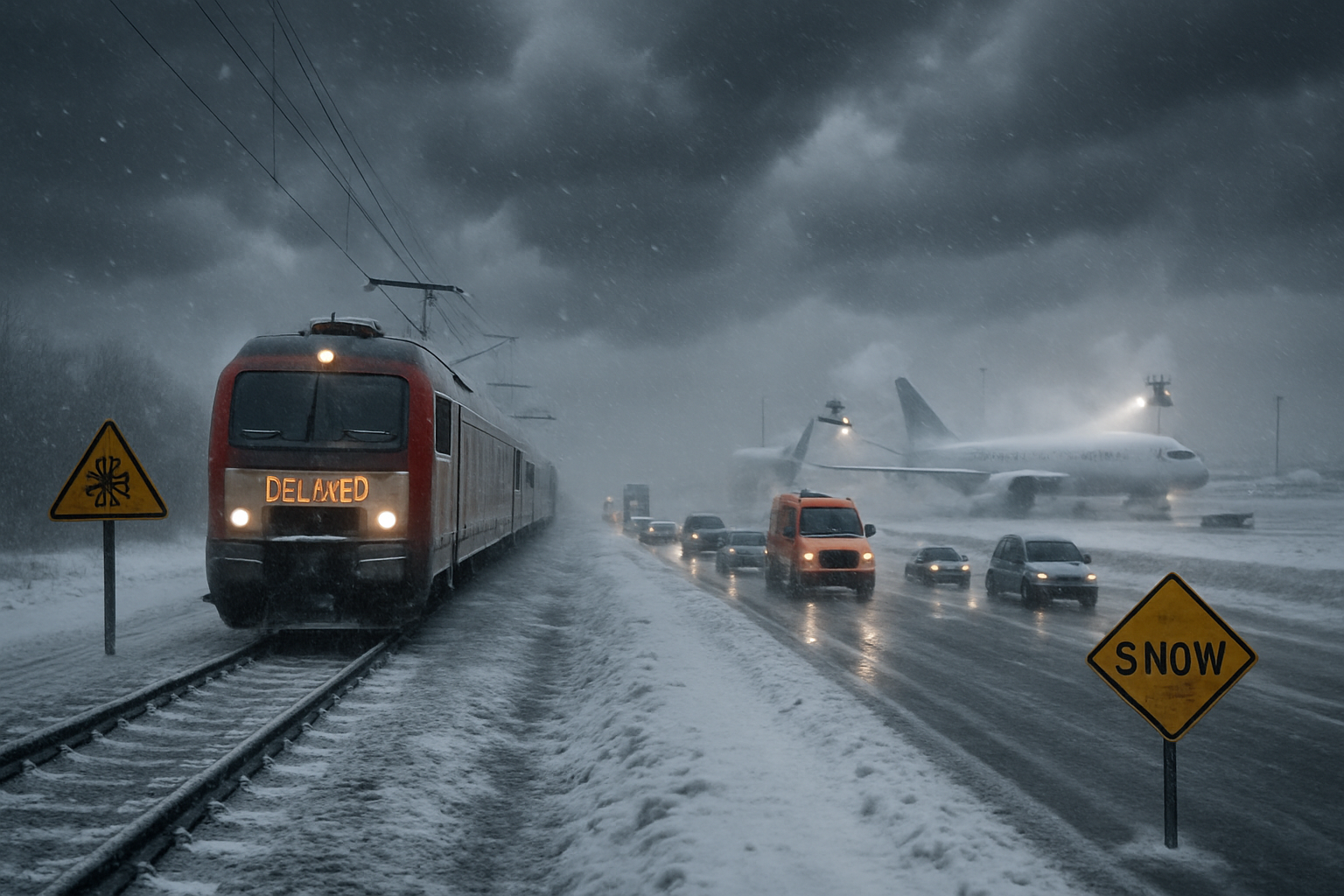
A devastating Arctic weather system continues to grip Europe, forcing unprecedented transport cancellations and safety warnings across multiple nations as extreme cold, heavy snowfall, and treacherous ice conditions create the most challenging winter conditions in decades.
From Estonia's dangerous ice roads to Sweden's frozen railway lines, the continent faces a transportation crisis that highlights the vulnerability of critical infrastructure to increasingly volatile weather patterns. The latest disruptions add to an already severe winter that has claimed over 140 lives across the Northern Hemisphere since late January.
Railway Networks Buckle Under Extreme Cold
Swedish transport operator Norrtåg announced the suspension of all train services between Umeå and Vindeln on Wednesday morning, citing "extreme cold" as rail infrastructure fails to cope with plummeting temperatures. The railway cancellations force thousands of passengers to rely on replacement bus services amid dangerous travel conditions.
The Swedish Meteorological and Hydrological Institute (SMHI) has issued orange weather warnings for the Skåne region, predicting a dangerous combination of heavy snowfall and powerful winds through Friday. These conditions represent the latest chapter in what meteorologists describe as one of Sweden's harshest winters in recent memory, with the country recording consecutive national "ice days" for the first time in two years.
"The combination of extreme temperatures and persistent snowfall is creating unprecedented challenges for our transportation networks. Passenger safety must remain our top priority."
— Norrtåg Official Statement
Ice Road Dangers in Baltic States
Estonian transport authorities issued urgent safety warnings Wednesday, advising drivers to avoid unofficial ice roads connecting the mainland to western islands. The Transport Administration emphasized that these routes lack proper monitoring and pose significant risks to motorists attempting to traverse supposedly frozen waterways.
The warnings come as Estonia experiences what meteorologists confirm is the coldest winter in 25 years, with temperatures expected to remain brutally low through February. The extreme conditions have forced authorities to reconsider traditional winter travel routes that Baltic communities have relied upon for generations.
Meanwhile, Finland faces its own ice road challenges, with officials announcing that no official ice roads will be established across the Archipelago Sea this winter—despite severe cold conditions. The decision reflects both insufficient ice thickness in crucial areas and the deterioration of specialized ice road equipment over more than two decades of disuse.
Infrastructure Limitations Exposed
The Finnish situation underscores how climate variability has disrupted traditional winter transportation patterns. According to Yle News, state-operated ice roads across the Archipelago Sea have not been established for over 20 years, with equipment literally rusting away on shores as authorities shifted resources to other winter maintenance priorities.
German Weather Crisis Compounds Transport Strikes
Germany faces a double transportation crisis as severe winter weather coincides with ongoing public transport strikes. The country's meteorological service has expanded ice warnings from northeastern regions to include western and southern areas, creating widespread hazardous conditions.
Television footage from Hessen state shows dramatic scenes of cars and trucks stranded in snow chaos along the A7 autobahn at the Kirchheimer triangle, highlighting the inadequacy of infrastructure to handle sudden severe weather events. The German weather service warns that snow and ice conditions are causing significant travel restrictions and numerous traffic accidents across multiple states.
The weather emergency compounds an already challenging situation for German commuters, as the Verdi union strike continues to affect approximately 100,000 transport workers, paralyzing bus, tram, and subway services in most German states.
Poland Faces Dangerous Ice Storm Threat
Polish meteorological services issued alarming warnings about the return of dangerous ice conditions across the country, with maps showing widespread areas at risk for severe icing that could create treacherous road conditions. The warnings come as Poland continues to battle some of the harshest winter conditions in years, with temperatures reaching -28°C and wind chill factors making conditions feel even more extreme.
Local authorities warn that freezing rain and ice accumulation could trigger second-degree weather alerts in several regions, potentially paralyzing road transport and creating dangerous conditions for both pedestrians and vehicles. The meteorological institute's detailed mapping reveals that large swaths of the country face significant icing risks in the coming days.
Broader European Context
These latest transport disruptions occur within the context of what experts describe as one of Europe's most challenging winters in decades. The continent simultaneously faces Arctic conditions in northern regions and catastrophic storm systems in southern areas, straining emergency response capabilities across multiple nations.
Recent weeks have seen unprecedented challenges across the continent: Latvia recorded its coldest January ever at -8.7°C, Denmark reported mass wildlife casualties from icy conditions, and Poland's electricity demand hit historic peaks of 27.7 gigawatts as heating systems struggled to cope with extreme cold.
Climate Pattern Analysis
The current weather emergency represents part of a broader Northern Hemisphere extreme weather pattern that has already claimed over 110 lives in North America and continues to challenge emergency response systems worldwide. Despite January 2026 being recorded as the globally hottest month on record, Europe faces these severe winter conditions—demonstrating the complexity and volatility of modern climate patterns.
Meteorologists note that the simultaneous occurrence of extreme cold in northern Europe and devastating storms in southern regions reflects disrupted atmospheric circulation patterns that are becoming increasingly common and challenging to predict.
Economic and Social Impact
The transportation disruptions carry significant economic consequences, affecting supply chains, tourism, and daily commerce across affected regions. Emergency services report being stretched to operational limits as they respond to weather-related incidents while maintaining essential services.
Educational institutions across multiple countries have suspended operations, with hundreds of schools closing in Poland alone due to heating system failures and dangerous travel conditions. The crisis demonstrates how extreme weather events can cascade through multiple sectors of society, affecting everything from education to healthcare delivery.
"We are witnessing infrastructure systems reaching their design limits under these extreme conditions. The frequency and intensity of such events requires us to fundamentally rethink our preparedness strategies."
— European Weather Analysis Expert
Emergency Response and Adaptation
National governments across affected regions have activated emergency protocols, with Sweden-Denmark announcing €246 million in emergency assistance to address weather-related infrastructure challenges. Emergency warming centers remain open across multiple countries, while authorities maintain enhanced monitoring of vulnerable populations, particularly elderly residents who face heightened risks during extreme cold events.
The current crisis serves as a critical test of European emergency coordination systems and highlights the urgent need for enhanced climate adaptation frameworks capable of handling increasingly unpredictable and severe weather patterns.
Transport authorities across the region emphasize that passenger and driver safety must take priority over service continuity, advising travelers to avoid unnecessary journeys and to monitor official weather warnings closely. The situation remains dynamic, with meteorological services predicting continued challenging conditions through the remainder of February.