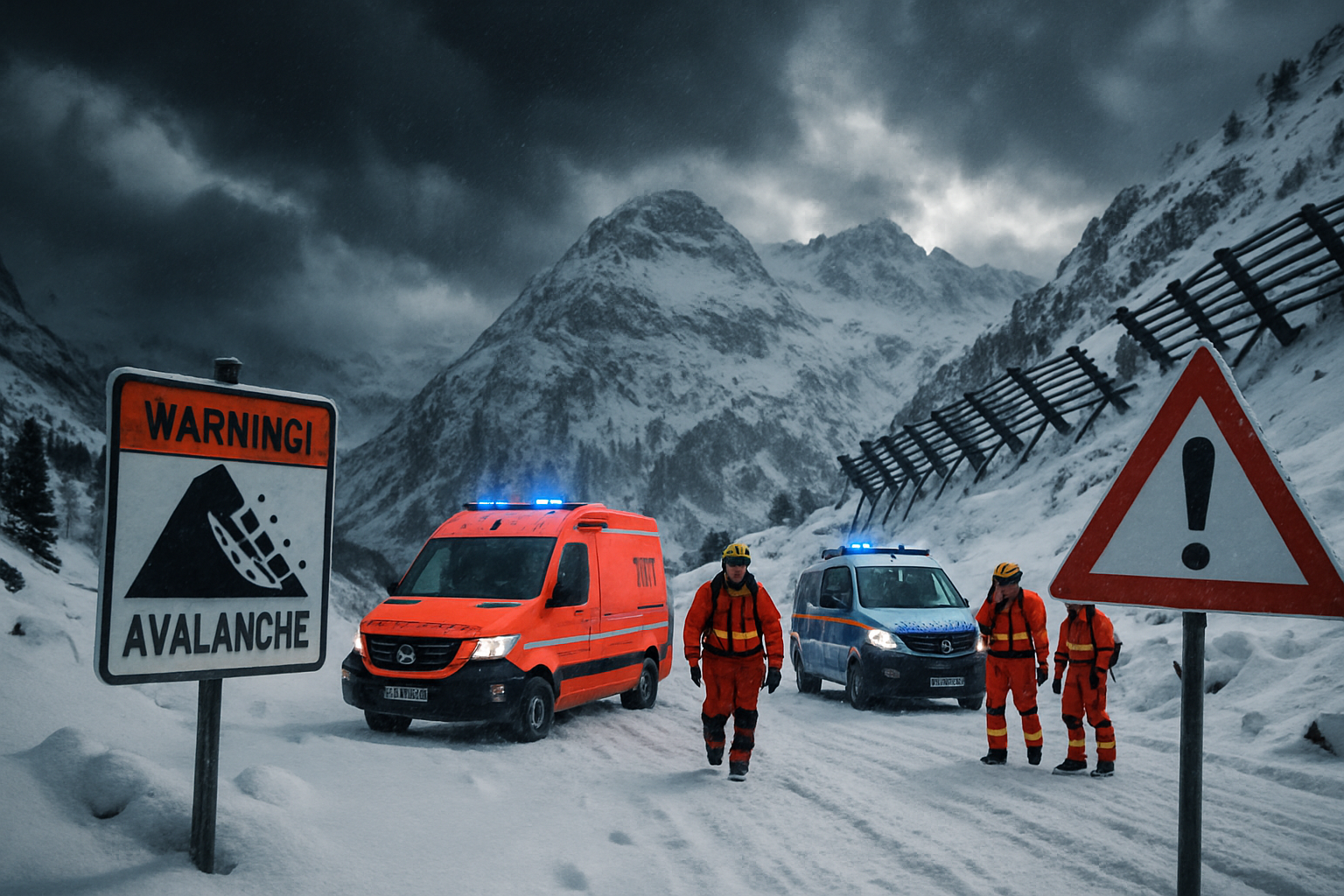
Europe is experiencing a severe weather crisis as multiple storm systems bring flooding, heavy snow, and dangerous conditions across numerous countries, forcing evacuations and causing widespread transport disruptions on February 15-16, 2026.
The latest weather emergency represents the continuation of an unprecedented storm succession that has devastated the continent throughout February, with authorities issuing red alerts across multiple regions as conditions deteriorate rapidly.
Netherlands Aviation Crisis
Schiphol Airport, Europe's third-busiest hub, has cancelled approximately 575 flights as snow and ice create hazardous conditions. The airport reported that roughly half of all scheduled flights faced either cancellation or delays on Sunday, with several centimeters of snow predicted to accumulate throughout the evening.
Dutch meteorological services issued nationwide Code Yellow warnings for snow and icy road conditions, creating treacherous travel conditions across the country. The warnings affect all provinces as temperatures drop below freezing, making roads particularly dangerous for motorists.
French River Systems Under Severe Threat
France maintains critical red alerts for flooding along the Garonne River basin, with Vigicrues warning of "important and major overflows" expected within 24 hours. The Gironde and Lot-et-Garonne departments remain under the highest alert levels as Storm Nils continues to bring heavy precipitation to southwestern regions.
French emergency services have received over 1,600 calls related to fallen trees and debris removal, while 450,000 households remain without power following the latest storm system. Wind gusts have exceeded 162 km/h in western regions, marking some of the strongest recorded during this storm succession.
Eastern European Winter Conditions
Latvia faces what meteorologists describe as the strongest winter blizzard in recent memory, with weather services issuing freezing temperature warnings for southern regions overnight from February 15-16. Some cities are experiencing snow accumulation reaching 62 centimeters, the deepest coverage since spring 2013.
Poland continues to battle severe frost and snow conditions that have disrupted aviation operations, with several airports reporting significant delays. The Polish Institute of Meteorology and Water Management (IMGW) has issued warnings for dangerous icing conditions across multiple provinces.
Balkan Infrastructure Under Pressure
Bulgaria has completely closed the Pamporovo ski resort due to "complicated meteorological conditions" that pose risks to tourist safety. The Petrich region recorded 75 liters of rainfall per square meter on Sunday morning alone, creating dangerous river conditions that threaten local communities.
Serbia's meteorological service warns that heavy snow may severely impact traffic, particularly in western regions. The RHMZ advises extreme caution as additional snowfall is expected Tuesday in several provinces, potentially creating widespread transport disruptions.
Portugal's Ongoing Recovery Efforts
Portugal continues its massive emergency response operation, maintaining 26,500 personnel including 1,975 military personnel and 30 naval vessels - the largest peacetime rescue operation in the nation's history. The country has responded to over 1,800 weather-related incidents since February 1, with rivers slowly beginning to return to normal levels.
The Portuguese Civil Protection agency maintains close monitoring as the Mondego River basin shows signs of stabilization, though officials warn the normalization process will take several weeks. Critical infrastructure, including the A1 highway viaduct near Coimbra, remains severely damaged and will require months of reconstruction.
Multi-National Response Coordination
The crisis has activated the EU Civil Protection Mechanism, with Sweden and Denmark providing a €246 million assistance package representing the largest coordinated European weather response in recent history. Emergency services across affected nations have reached operational capacity limits, requiring unprecedented international cooperation.
Transportation networks face widespread disruption as railway services remain suspended on multiple lines, major highways experience closures, and aviation operations suffer significant delays. The cascading effects impact supply chains, tourism, and daily commerce across the continent.
Climate Context and Future Implications
This weather emergency occurs during January 2026, which marked the 18th consecutive month of global temperatures exceeding 1.5°C above pre-industrial levels. Climate scientists note the concerning trend of simultaneous extreme weather events overwhelming traditional emergency response mechanisms.
The storm succession - including Kristin, Leonardo, Marta, and Nils - has claimed over 16 lives across Portugal and Spain while forcing thousands of evacuations and causing billions in infrastructure damage. Agricultural sectors face devastating losses, particularly in the Iberian Peninsula, where olive groves and citrus operations have suffered extensive destruction.
Emergency management experts emphasize that the frequency and intensity of such events require fundamental changes to European infrastructure design and emergency preparedness. The current crisis serves as a template for the "build back better" approach to climate-resilient infrastructure that can withstand future extreme weather patterns.
Recovery Timeline and Challenges
Full recovery from the current crisis is expected to take months, with some infrastructure projects requiring years to complete. The Portuguese government has allocated significant resources for reconstruction, while Spain continues managing the aftermath of widespread evacuations in Andalusia.
Meteorologists warn that additional Atlantic storm systems are developing, suggesting the crisis may persist for weeks. This represents what experts describe as the "new normal" of extreme weather frequency that will require transformative rather than reactive adaptation approaches.
The human impact extends beyond statistics, with families losing generational homes, small businesses facing extinction, and vulnerable populations requiring extended emergency support. Mental health services report increased demand as communities struggle to cope with repeated disasters.
As Europe continues to battle this unprecedented weather emergency, the crisis underscores the urgent need for enhanced climate adaptation strategies and reinforced international cooperation frameworks to manage the increasing volatility of extreme weather events in the decades ahead.