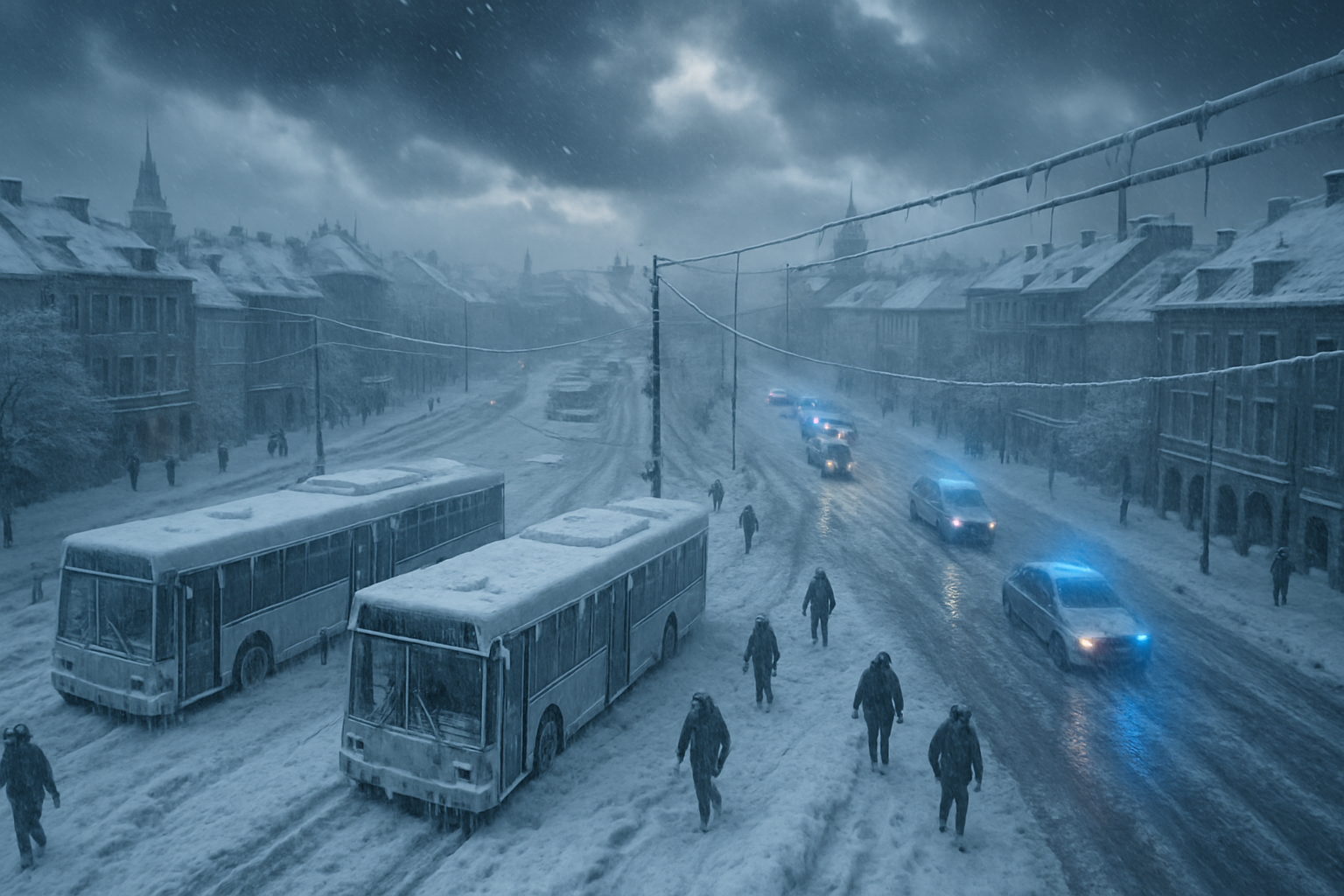
Europe is facing one of its most severe winter weather crises in decades as extreme cold, ice storms, and heavy snowfall continue to devastate infrastructure and disrupt daily life from the Nordic countries to the Mediterranean, with casualties mounting and emergency services stretched to their limits.
The continental crisis, now in its second week, has brought record-breaking temperatures, widespread transport paralysis, and infrastructure failures across multiple nations. From Poland's -28°C temperatures to Portugal's unprecedented snowfall, the extreme weather system represents a continuation of the deadly Northern Hemisphere winter pattern that has already claimed over 110 lives in North America.
Nordic Region Faces Decades-Long Records
Estonia is experiencing what meteorologists are calling its coldest winter in approximately 25 years, with forecasts indicating the deep freeze will persist through the entire month of February. The Baltic nation's severe conditions are expected to bring an unusually frigid Independence Day celebration on February 24.
Sweden has recorded two consecutive "ice days" – a meteorological term describing 24-hour periods where all weather stations nationwide remain below freezing. The first national ice day occurred on Sunday, marking the first such occurrence in two years, followed immediately by another on Monday evening.
"All weather stations across Sweden have stayed below 0 degrees for the entire 24-hour period,"
— Swedish Meteorological Service
Central Europe Infrastructure Collapse
Poland has emerged as one of the hardest-hit nations, with temperatures plummeting to -28°C and wind chill factors making conditions feel like -30°C or lower. The extreme cold has triggered widespread infrastructure failures, leaving thousands without power and forcing the closure of hundreds of schools.
In Warsaw, burst water pipes have created dangerous conditions, with the Conrada Street area near bus stops becoming completely ice-covered after a water main rupture. Municipal crews are working around the clock to repair the damage while managing the additional hazard of ice formation caused by the extreme temperatures.
The weather crisis has prompted authorities to issue warnings about incoming freezing precipitation. Polish meteorologists are tracking a system of freezing rain clouds that began affecting parts of the country on Tuesday, creating additional hazards for both drivers and pedestrians in the coming days.
Germany, while experiencing relatively milder conditions than its eastern neighbors, continues to battle subzero temperatures in the northeast regions. Weather forecasters are now predicting treacherous icy conditions will spread to western and southern regions, prompting additional ice warnings and safety alerts.
Unexpected Southern European Impact
The scope of the winter crisis has shocked meteorologists as severe conditions reached typically temperate regions. Portugal, known for its mild winter climate, has experienced unprecedented snowfall that has paralyzed transportation networks and created emergency situations.
In Castro Daire, emergency services conducted a dramatic rescue operation when a public bus became trapped in heavy snow on the Municipal Road (EM) 550. Firefighters worked to evacuate children and elderly passengers, transporting them safely to their destinations as the vehicle remained immobilized in snow drifts.
The incident highlights the particularly vulnerable position of Portugal's transportation infrastructure, which lacks the winter weather preparation systems common in northern European countries. The Civil Protection services have been deployed across affected regions to assist stranded motorists and ensure public safety.
Transportation Networks in Crisis
The winter emergency has created a cascading transportation crisis across the continent. Germany's public transport system, already strained by ongoing labor strikes affecting 100,000 workers, faces additional pressure from weather-related service disruptions.
The coincidence of the massive Verdi union strike – demanding over 20% pay increases and improved working conditions – with severe winter weather has created unprecedented urban mobility challenges. The strike affects buses, trams, and subway services across almost all German states except Lower Saxony, leaving millions of commuters stranded during dangerous weather conditions.
Road transportation has faced similar challenges throughout the affected regions. The Portuguese bus incident in Castro Daire represents just one of hundreds of similar emergencies as municipalities struggle to keep roads clear and accessible during continued snowfall and ice formation.
Emergency Response and Infrastructure Strain
National emergency services across Europe have activated comprehensive response protocols, but the scale and duration of the crisis have pushed systems to their limits. The combination of extreme temperatures, infrastructure failures, and transportation disruptions has created a complex emergency management challenge.
Poland's emergency services are particularly stretched, managing simultaneous power outages, heating system failures, and medical emergencies related to cold exposure. The country's experience echoes the broader pattern seen across the continent, where aging infrastructure proves vulnerable to extreme weather events.
Sweden's response has focused on maintaining essential services during the consecutive ice days, while Estonia prepares for an extended period of severe conditions that will test the resilience of both infrastructure and communities through the remainder of February.
Historical Context and Climate Implications
The current European winter crisis forms part of a broader Northern Hemisphere extreme weather pattern that has already proved devastating across North America, where more than 110 people have died from winter storm conditions. Climate scientists note that such extreme weather events, while still relatively rare, appear to be intensifying when they occur.
The persistence of the cold weather system across such a geographically diverse area – from the Arctic regions of Scandinavia to the Mediterranean climates of Portugal – represents an unusual meteorological pattern that has challenged traditional winter weather preparation strategies.
Economic and Social Impact
The ongoing crisis has generated significant economic disruption as businesses struggle with power outages, transportation delays, and workforce mobility challenges. The combination of extreme weather and labor strikes in key countries like Germany has compounded the economic impact.
Educational systems have faced particular challenges, with school closures reported across affected regions as authorities prioritize student safety over academic schedules. The closures affect not only learning but also working parents who must manage childcare during the crisis.
Healthcare systems are experiencing increased pressure from cold-related medical emergencies, while also managing the logistical challenges of maintaining services during transportation disruptions and power outages.
Ongoing Weather Projections
Meteorological services across Europe continue to issue warnings as the severe weather system shows little sign of immediate improvement. Estonia's forecast of continued extreme cold through February indicates that the infrastructure and emergency service pressures will persist for weeks rather than days.
Poland's incoming freezing rain system represents an additional layer of complexity, as the transition from dry cold to precipitation-based weather creates new hazards including ice accumulation on power lines and transportation networks.
The widespread nature of the crisis has prompted increased coordination between European emergency management agencies, with resources being shared across national boundaries to address the most severe situations.
As Europe continues to battle these historic winter conditions, the crisis serves as a stark reminder of infrastructure vulnerabilities and the increasing need for comprehensive extreme weather preparedness strategies. The coming weeks will test both the immediate resilience of affected communities and the longer-term adaptability of European systems to increasingly severe weather events.