As the final national selection results pour in from across Europe, Eurovision 2026 is shaping up to be one of the most musically diverse and culturally significant contests in the competition's 70-year history, with Vienna set to welcome representatives from over 40 countries this May.
The completion of national finals across Europe has delivered a fascinating mix of established stars, emerging talents, and genre-defying performances that reflect the continent's rich musical heritage while pushing creative boundaries. From Norway's controversial victory to Serbia's metal revolution, this year's lineup promises to captivate audiences worldwide.
Nordic Surprises and Established Expectations
Norway's Melodi Grand Prix delivered one of the season's biggest upsets when Jonas Lovv triumphed with "Ya ya ya," defeating heavy favorite and 2009 Eurovision winner Alexander Rybak. The victory, described by observers as "everyone loves an underdog," saw the Måneskin-influenced rocker capture both jury and public support in a result that shocked the Norwegian music establishment.
However, international reaction has been mixed. Swedish journalist Tobbe Ek from Aftonbladet expressed skepticism about the song's Eurovision prospects, suggesting Lovv faces an uphill battle to reach the final in Vienna. "As a song, it might be a bit too gentle. My immediate feeling is that Norway this year should be happy if Jonas makes it through the semifinals," Ek told Norwegian broadcaster NRK.
Conversely, Simon Falk from the influential Eurovision website Wiwibloggs offered a more optimistic assessment: "A surprise, but a pleasant surprise. Jonas's song is very catchy and it's something different from what we have in Eurovision this year so far, so I think it has good chances."
Finland continues its remarkable Eurovision renaissance with Linda Lampeniuksen and Pete Parkkosen representing the nation. Eurovision expert Ville Vedenpää boldly predicted that Finland might even "save Eurovision" in May, citing the duo's exceptional potential for contest success.
Eastern European Metal Revolution
Serbia has made one of the boldest artistic statements of 2026 by selecting metal band Lavina from Niš with their powerful track "Kraj mene" (Beside Me). This marks a significant shift for Serbian Eurovision entries, embracing the heavier sound that has gained traction across European music scenes following Italy's Måneskin victory in 2021.
The band's selection reflects a broader trend of countries choosing more authentic, locally-rooted musical expressions over manufactured pop designed specifically for Eurovision consumption. This approach signals growing confidence among national broadcasters in presenting genuine artistic voices to the continental audience.
Iberian Peninsula's Cultural Renaissance
Portugal's Festival da Canção delivered compelling performances in its second semifinal, with five acts advancing to the final: Silvana Peres, Bandidos do Cante, João Ribeiro, Sandrino, and Gonçalo Gomes. The diversity of these finalists reflects Portugal's commitment to showcasing different musical traditions, from folk-influenced compositions to contemporary pop arrangements.
The Portuguese selection process has gained international respect for its focus on songcraft and authentic cultural expression, building on the country's Eurovision credibility established through Salvador Sobral's 2017 victory.
Balkan Authenticity Movement
Bulgaria's selection of singer Dara with "Bangaranga" represents another fascinating cultural choice. Dara drew inspiration from traditional Bulgarian kukeri (mummers) costumes and rituals, incorporating ancient folklore elements into a contemporary Eurovision package. The song was chosen by a jury including international guest Victoria Halkiti from Greece, emphasizing the cross-cultural appreciation for authentic traditional references.
This trend toward cultural authenticity reflects a broader shift in Eurovision strategy, where countries increasingly see the contest as an opportunity to educate international audiences about their unique heritage while competing for victory.
Historical Context and Cultural Significance
Eurovision 2026 occurs during what cultural observers have termed the "February 2026 Cultural Renaissance," a period of unprecedented cultural activity across Europe. The contest has evolved from simple entertainment into a sophisticated platform for cultural diplomacy, allowing nations to present their identities to hundreds of millions of viewers globally.
The Nordic rivalry has intensified, with Norway choosing fresh talent while Sweden maintains its methodical progression through Melodifestivalen with a careful balance of established and emerging artists. This contrast in approaches reflects different philosophies about Eurovision success—immediate impact versus systematic development.
Countries are increasingly balancing artistic authenticity with broad appeal, recognizing that Eurovision success requires both musical quality and the ability to connect with diverse European audiences. The 2026 lineup demonstrates this evolution, with representatives chosen as much for their ability to showcase cultural identity as for their commercial potential.
Vienna Preparations and International Anticipation
Austria's capital returns to Eurovision hosting duties, building on the success of the 2015 contest. Vienna's venues are preparing not only for the main competition but also for the extensive cultural events, media activities, and fan gatherings that have become integral to the Eurovision experience.
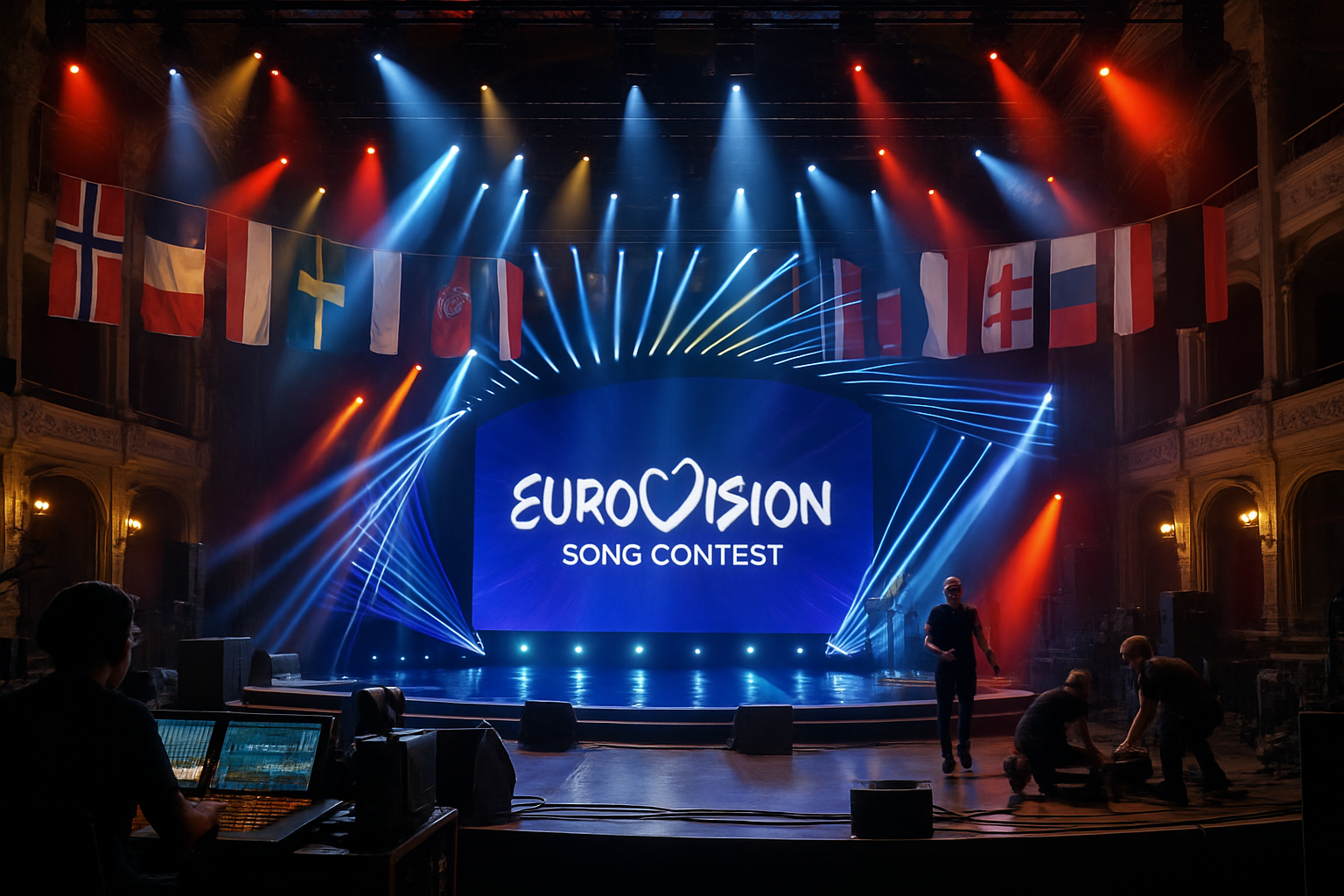
The integration of advanced staging technology with traditional Eurovision elements promises to create spectacular television moments while maintaining the contest's essential character. Vienna's infrastructure and cultural sophistication make it an ideal setting for what many predict will be one of the most competitive contests in recent memory.
The Road to May
As national selections conclude, attention turns to the rehearsal period and the crucial task of adapting performances for the Eurovision stage. Artists will spend the coming months refining their presentations, working with choreographers and staging directors to maximize their three-minute opportunity to capture Europe's attention.
The diverse lineup—from Norway's rock energy to Serbia's metal power, Bulgaria's folkloric authenticity to Portugal's artistic sophistication—ensures that Eurovision 2026 will offer something for every musical taste while showcasing the remarkable creativity flourishing across the continent.
With the February 2026 Cultural Renaissance providing backdrop momentum and Vienna's proven hosting capabilities, Eurovision 2026 stands positioned to demonstrate the contest's continued evolution as both premier entertainment spectacle and vital platform for European cultural expression. As one observer noted, "Eurovision has matured into cultural diplomacy platform beyond entertainment," and this year's diverse representative lineup promises to fulfill that potential magnificently.