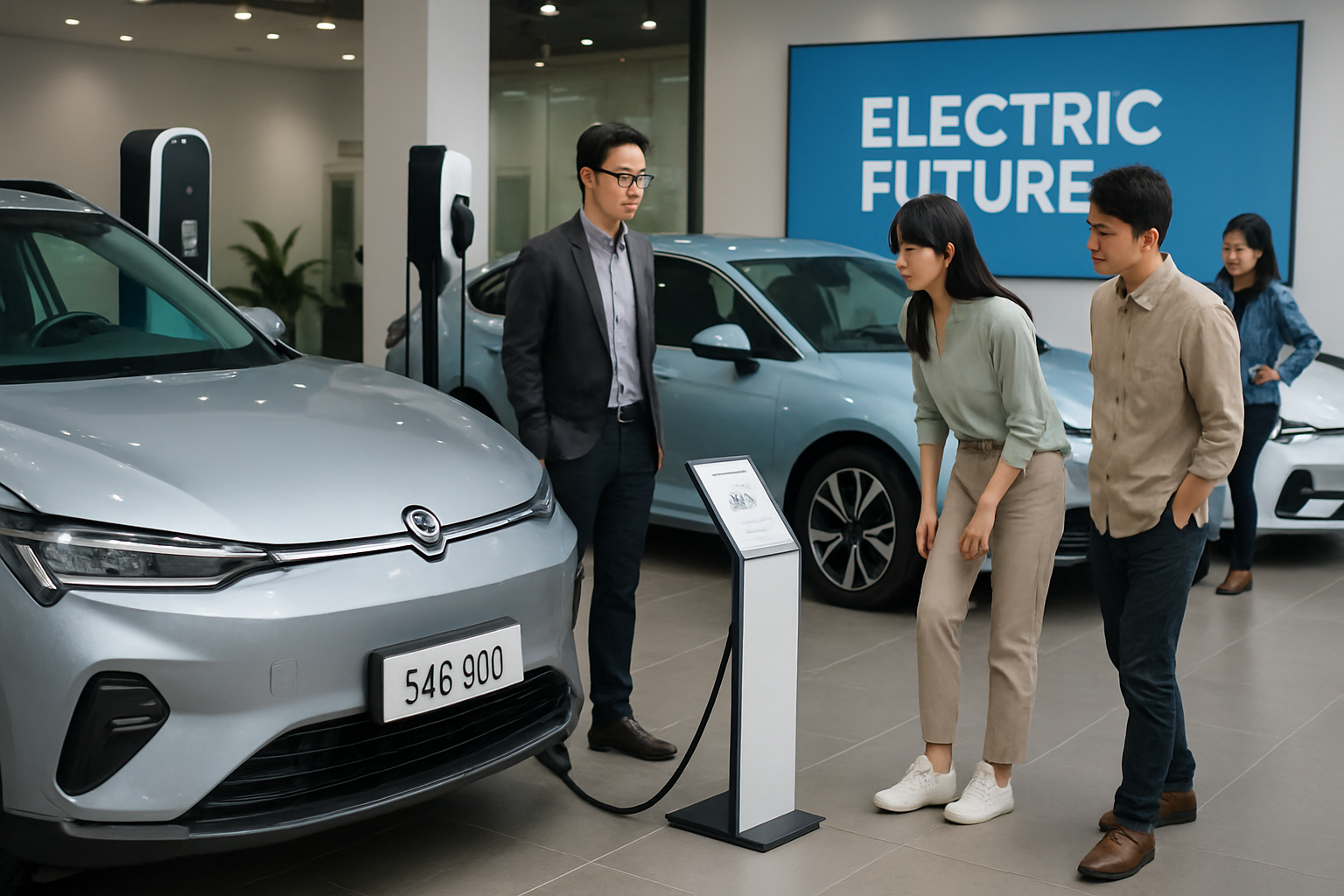
Electric vehicle markets across the globe are experiencing divergent trends as the Caribbean grapples with affordability concerns while Asia-Pacific regions consolidate their position as industry leaders, according to latest market analysis from March 2026.
In Barbados, automotive retailers are working to address consumer fears about rising electricity costs that could impact the economic viability of electric vehicle ownership. Chris Haywood, General Manager of Caribbean Auto Retailers Barbados, emphasized during the company's latest vehicle launch that electric vehicle and hybrid owners continue to enjoy substantial savings despite anticipated utility rate increases.
"For every $100 spent at the pump, owners of electric vehicles or hybrids save at least $75," Haywood stated, seeking to reassure potential buyers concerned about the Barbados Light and Power's intended rate increases. The company maintains that even with higher electricity costs, electric vehicles remain the more affordable transportation option compared to traditional gasoline-powered vehicles.
Asia-Pacific Dominance Continues
Meanwhile, Asian markets continue to demonstrate remarkable electric vehicle performance, with one unspecified Asian country reportedly selling 11 million electric vehicles in a single year - nearly double the combined sales of the rest of the world. This extraordinary market performance underscores the Asia-Pacific region's continued leadership in global electric vehicle adoption and manufacturing.
The robust Asian market performance aligns with ongoing technological breakthroughs from regional manufacturers. Recent developments include BYD's revolutionary Megawatt Flash Charging system, capable of delivering 1,360 kW power and enabling vehicles to gain 400km range in just five minutes, addressing one of the primary barriers to EV adoption worldwide.
Global Market Dynamics and Challenges
The contrasting experiences between Caribbean and Asian markets highlight the complex global dynamics shaping electric vehicle adoption. While Asia-Pacific countries benefit from comprehensive charging infrastructure, government incentives, and manufacturing scale advantages, smaller markets like Barbados face unique challenges related to utility costs and infrastructure development.
"The company has provided training for all personnel on electric vehicles and hybrids, allowing them to be well-equipped to handle any mechanical issues that may arise with the vehicles."
— Chris Haywood, General Manager, Caribbean Auto Retailers Barbados
Caribbean Auto Retailers Barbados has invested significantly in technical training to ensure proper support for electric and hybrid vehicle owners, recognizing that consumer confidence depends not only on purchase economics but also on reliable service capabilities. This comprehensive approach reflects industry recognition that successful EV adoption requires ecosystem development beyond just vehicle sales.
Infrastructure and Policy Considerations
The Barbadian situation illustrates broader challenges facing electric vehicle markets in developing economies, where electricity pricing structures and grid infrastructure may not yet be optimized for widespread EV adoption. Unlike major Asian markets that have implemented coordinated policies supporting electric mobility, smaller economies must balance consumer affordability with utility revenue requirements.
Recent memory of industry developments shows significant global infrastructure investment, with countries like Austria adding 1,000 additional EV charging stations and Estonia maintaining 88% renewable electricity with Europe's largest battery storage capacity. These examples demonstrate how coordinated infrastructure and energy policy can support electric vehicle adoption.
Technological Evolution Supporting Adoption
The industry continues to address traditional barriers to electric vehicle adoption through technological advancement. Battery longevity studies indicate that Tesla Model S vehicles from 2012-2014 with over 200,000 miles retain 85-92% of their original capacity, while Nissan Leaf vehicles from 2011-2013 demonstrate 75-85% capacity retention after a decade of operation. These findings suggest practical EV battery lifespans of 15-20 years, far exceeding early industry predictions.
Additionally, vehicle-to-grid technology advancement enables electric vehicles to function as distributed energy storage, charging during off-peak renewable generation periods and discharging during high demand. This capability could help address some of the utility cost concerns raised in markets like Barbados by providing grid stabilization services.
Supply Chain and Manufacturing Trends
Global electric vehicle development continues amid ongoing supply chain challenges, including memory chip shortages causing sixfold price increases affecting vehicle control systems. China maintains approximately 60% of global critical materials production and 90% of refining capacity for lithium, cobalt, and rare earth elements essential for EV manufacturing.
These supply chain dynamics create both opportunities and vulnerabilities for different regional markets. While Asia-Pacific manufacturers benefit from proximity to key supply sources, markets like the Caribbean must navigate import costs and logistics challenges that can affect final vehicle pricing and availability.
Market Outlook and Regional Strategies
The divergent experiences between Caribbean affordability concerns and Asian market leadership highlight the need for region-specific electric vehicle strategies. Success factors include appropriate pricing structures, charging infrastructure development, technical service capabilities, and alignment between energy policy and transportation electrification goals.
As the global automotive industry undergoes its most significant transformation in modern history, regional markets must balance technological advancement with local economic realities. The Caribbean experience demonstrates that even markets committed to electric mobility must address fundamental economic and infrastructure questions to ensure successful adoption.
Looking ahead, the electric vehicle industry's continued evolution will likely require increasingly sophisticated approaches to addressing diverse regional challenges while maintaining momentum toward global transportation electrification. Success will depend on coordinated efforts across energy systems, infrastructure development, materials supply chains, and regulatory frameworks tailored to specific market conditions and consumer needs.