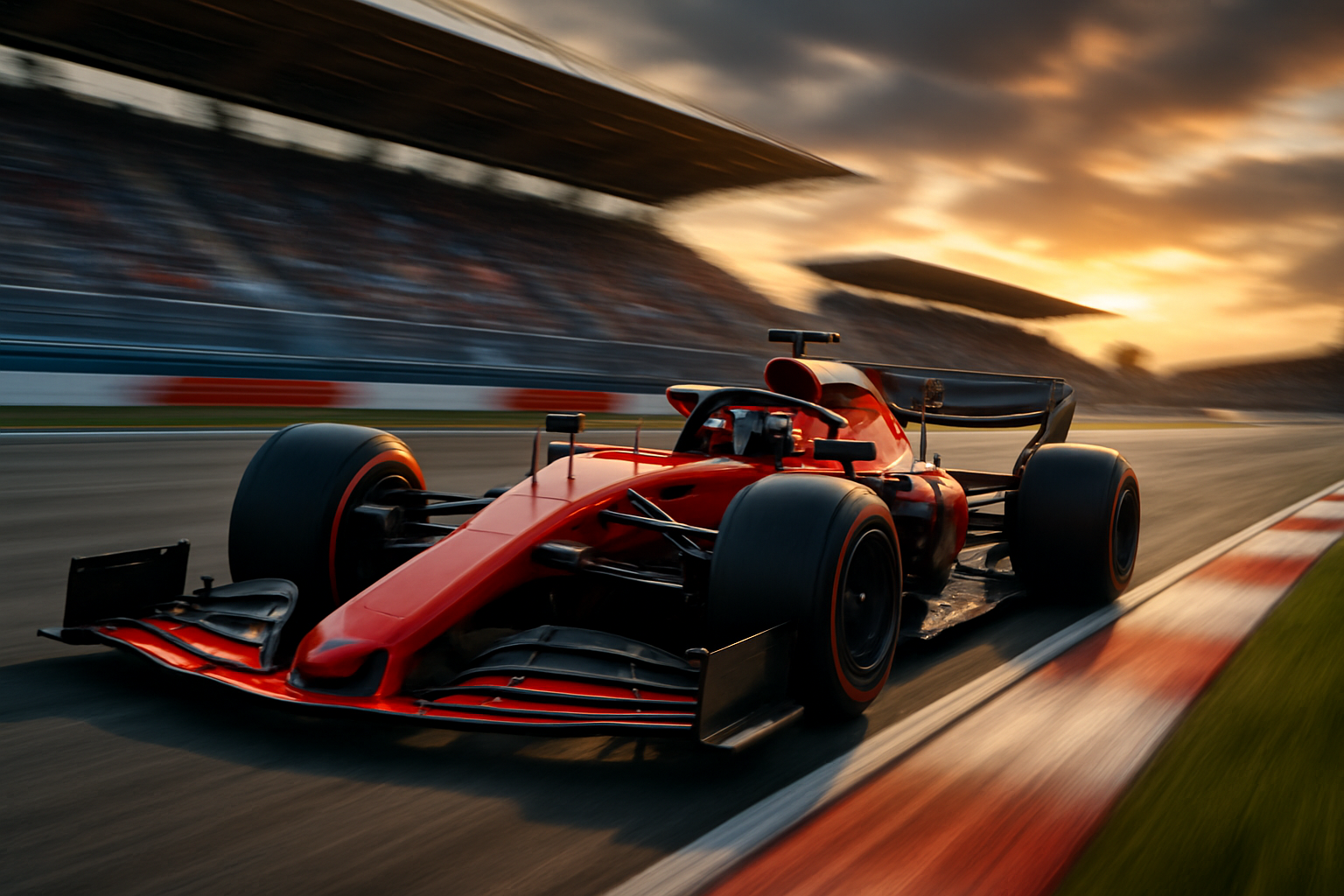
Formula 1 is entering an unprecedented new era as the sport introduces VAR (Video Assistant Referee) technology for the first time while implementing the most significant simultaneous changes to chassis and power unit regulations in decades.
The International Automobile Federation (FIA) has officially announced the introduction of VAR technology through a comprehensive tracking system, marking a revolutionary step in motorsport officiating. This technological advancement comes at a time when Formula 1 faces its greatest regulatory upheaval, with both chassis and power unit regulations changing simultaneously for the first time in decades.
Historic Regulatory Overhaul Creates Massive Challenges
The scale of regulatory changes facing Formula 1 teams cannot be understated. According to industry sources, this marks the first time in decades that chassis and power unit regulations have been altered simultaneously, creating what experts describe as "a massive challenge even for the biggest teams."
The dual regulatory shift represents a fundamental departure from traditional F1 development cycles, where teams typically face changes in either chassis design or power unit specifications, but rarely both. This unprecedented situation forces constructors to essentially rebuild their entire racing package from the ground up.
VAR Technology Transforms Race Officiating
The introduction of VAR technology through the FIA's new tracking system represents the most significant advancement in Formula 1 officiating since the sport's inception. Drawing inspiration from football's successful implementation of Video Assistant Referee systems, F1's version will provide race officials with enhanced capabilities to review incidents and make more accurate decisions.
The system is expected to reduce controversial decisions that have historically plagued the sport, particularly in high-stakes championship battles. By providing multiple camera angles and advanced tracking data, VAR technology will enable stewards to make more informed judgments on track incidents, penalty decisions, and rule violations.
Global Conflicts Impact Racing Schedules
Adding to the sport's challenges, ongoing global conflicts are creating unprecedented uncertainty surrounding the 2026 racing calendar. Sources indicate that geopolitical tensions worldwide are affecting traditional race locations and forcing Formula 1 organizers to develop contingency plans for the upcoming season.
This uncertainty comes at a particularly challenging time, as teams are already struggling to adapt to the massive regulatory changes while managing the financial implications of developing entirely new car concepts under budget cap restrictions.
Technical Innovation Meets Operational Complexity
The simultaneous introduction of new chassis regulations and power unit specifications creates a perfect storm of technical complexity. Teams must navigate advanced aerodynamic packages, revised safety protocols, and enhanced power unit efficiency requirements while integrating new digital systems for VAR compliance.
Engineering departments across the grid are working around the clock to understand the intricate relationships between these new systems. The challenge extends beyond pure performance, as teams must also ensure their cars meet enhanced safety standards and environmental regulations that accompany the new technical framework.
Financial Pressures Intensify Competition
The comprehensive regulatory overhaul comes during a period of intense financial pressure for Formula 1 teams. The sport's budget cap regulations mean that constructors must achieve more with limited resources, making strategic decisions about development priorities more crucial than ever.
Smaller teams face particular challenges in managing the transition, as they lack the extensive resources of larger constructors like Mercedes, Red Bull, and Ferrari. This disparity could significantly impact the competitive balance during the initial phases of the new regulatory era.
Driver Adaptation to New Technologies
Formula 1 drivers are also facing unprecedented challenges as they adapt to cars featuring entirely new characteristics. The combination of revised chassis dynamics, different power delivery systems, and integration with VAR tracking technology requires extensive adaptation periods.
Pre-season testing becomes more critical than ever, as drivers must familiarize themselves with handling characteristics that differ fundamentally from previous generations of Formula 1 cars. The learning curve is expected to be steep, potentially creating opportunities for drivers who adapt quickly to gain competitive advantages.
Fan Experience and Broadcasting Evolution
The introduction of VAR technology is expected to enhance the fan experience by providing greater transparency in officiating decisions. Television broadcasts will likely integrate VAR reviews, giving viewers unprecedented insight into the decision-making process during races.
This transparency could help address long-standing fan frustrations with inconsistent penalty decisions, though it may also slow the pace of race proceedings as officials review more incidents in detail.
Looking Ahead: Uncertainty and Opportunity
As Formula 1 enters this transformative period, the sport faces both significant challenges and unique opportunities. The regulatory reset provides a chance for new competitive hierarchies to emerge, while VAR technology promises to improve the integrity of racing decisions.
However, the combination of technical complexity, financial pressures, and external uncertainties regarding race scheduling creates an environment of unprecedented volatility. Success in this new era will depend not only on technical innovation but also on adaptability, strategic planning, and effective resource management.
The 2026 Formula 1 season promises to be one of the most significant in the sport's history, with changes that could reshape competitive dynamics for years to come. As teams, drivers, and organizers navigate this new landscape, the true impact of these revolutionary changes will unfold on circuits around the world.