Formula 1 is confronting its most challenging season preparations in decades as teams navigate revolutionary technical regulations while Middle East conflicts create unprecedented scheduling uncertainty for the 2026 championship.
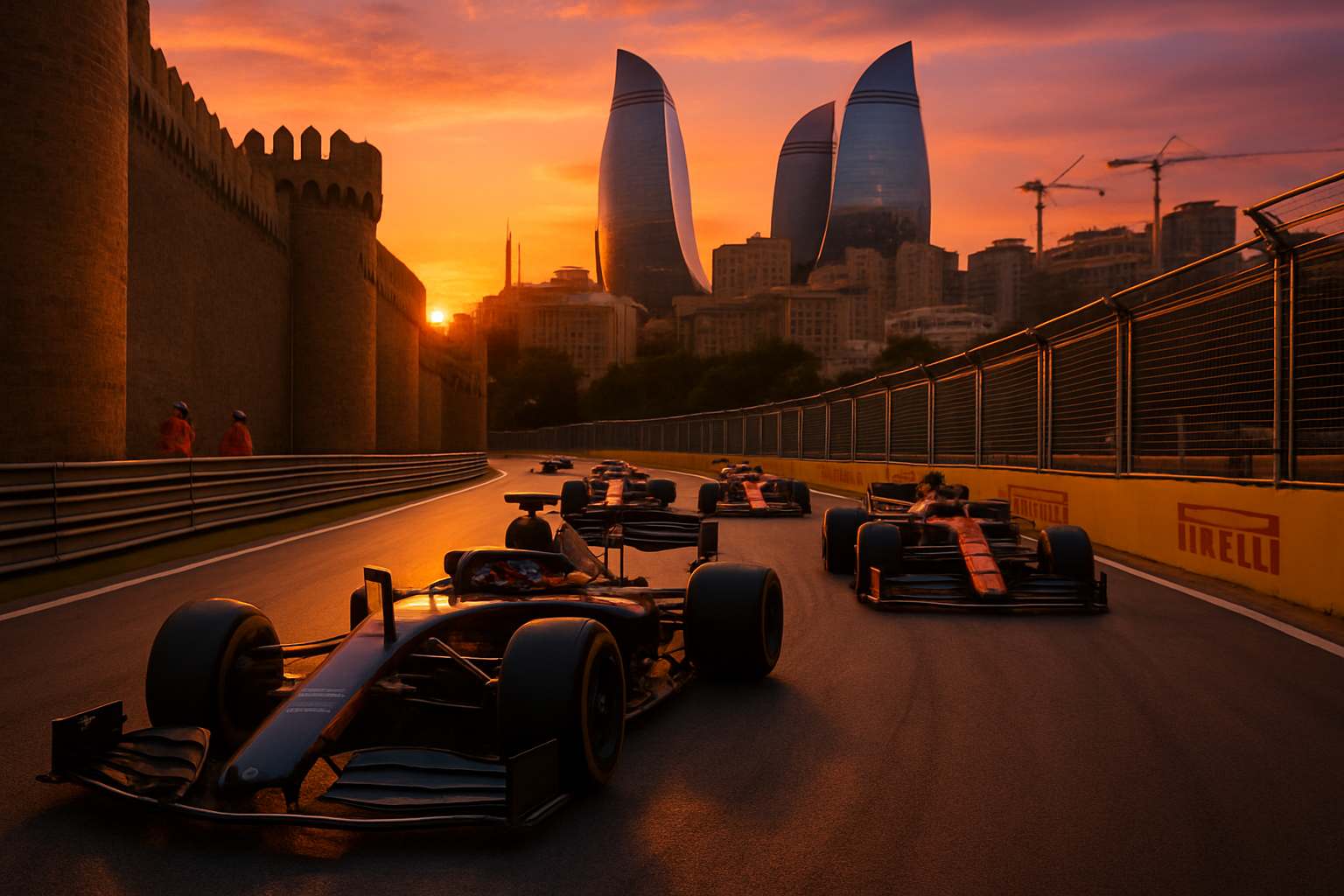
The sport faces a perfect storm of technical complexity and geopolitical instability that threatens to reshape the upcoming season. With the Azerbaijan Grand Prix preparations underway in Baku, F1 finds itself at the center of a region experiencing its most dangerous crisis since the Cold War ended.
Revolutionary Technical Changes Challenge Teams
The 2026 season represents the most significant technical overhaul in Formula 1 history, with both chassis and power unit regulations changing simultaneously for the first time in decades. The FIA has officially introduced VAR (Video Assistant Referee) technology through a comprehensive tracking system, marking a revolutionary advancement in motorsport officiating.
"This creates a massive challenge even for the biggest teams," according to industry sources familiar with the regulatory changes. The combination of new aerodynamic packages, revised safety protocols, and enhanced power unit efficiency requirements has forced teams to completely reimagine their approach to car development.
Financial pressures have intensified under budget cap regulations, requiring teams to achieve more with limited resources. Smaller constructors face particular challenges lacking the extensive resources of larger teams like Mercedes and Red Bull.
Middle East Crisis Disrupts Global Operations
The ongoing Middle East crisis has created the most comprehensive aviation disruption since the COVID-19 pandemic, with over 18,000 flights cancelled worldwide. Iran, Iraq, Israel, UAE, Qatar, Syria, Kuwait, and Bahrain have simultaneously closed their airspace following military escalation in the region.
Dubai International Airport, the world's busiest with 86 million passengers annually, has been completely shut down after sustaining missile damage. This has severed critical Europe-Asia hub connections that F1 teams rely on for global operations. Major airlines including Emirates, Etihad, Air France-KLM, and Wizz Air have suspended operations, affecting hundreds of thousands of passengers globally.
Formula 1 personnel have been forced to implement complex rerouting strategies, with some chartered flights diverted to alternative routes for the Australian Grand Prix season opener. The crisis demonstrates the sport's vulnerability to geopolitical instability affecting its carefully choreographed global calendar.
Azerbaijan Grand Prix Preparations Continue
Despite regional tensions, anticipation is growing in Baku as preparations for the 2026 Azerbaijan Grand Prix proceed according to the Baku City Circuit Operations Company. The street circuit, which winds through Baku's historic city center and modern districts, represents a crucial revenue source and international showcase for Azerbaijan.
The Baku circuit has become a favorite among drivers and fans for its high-speed sections combined with tight technical corners. However, the ongoing crisis in neighboring regions has raised questions about security protocols and contingency planning for the race weekend.
Azerbaijan's position as a crucial East-West energy coordinator, with current US trade valued at $74.9 million and potential for massive expansion from $27.2 billion in global exports, adds complexity to the geopolitical considerations surrounding the race.
Lewis Hamilton's Ferrari Chapter Begins
Adding to the season's intrigue, seven-time world champion Lewis Hamilton begins his Ferrari career at age 41, entering his 20th season in Formula 1. The British driver has vowed "no holding back" as he joins the Italian team with hopes of adding to his record-breaking championship tally.
Hamilton's move from Mercedes to Ferrari represents one of the most significant driver transfers in recent F1 history. The 41-year-old is the most decorated driver in F1 history but will head into Sunday's season opener in Australia with a point to prove in his new red overalls.
Pre-season testing revealed promising pace from Ferrari, with Charles Leclerc setting the fastest time of 1:31.992 during the final day of Bahrain testing, finishing nearly a second ahead of McLaren's Lando Norris and over a second clear of Red Bull's Max Verstappen.
Industry Adaptations and Contingency Planning
The aviation crisis has forced F1 teams and the sport's governing body to develop unprecedented contingency plans. Airlines are implementing enhanced fuel loading procedures, alternative routing strategies, and reduced passenger capacity to navigate around closed airspace.
Team logistics coordinators are conducting daily reviews of travel arrangements, with some exploring maritime transport options through companies like Egypt's Arab Bridge Navigation, though these alternatives cannot match aviation's scale and speed requirements.
The crisis has exposed F1's over-reliance on Middle Eastern aviation hubs for Europe-Asia connections, accelerating discussions about route diversification and enhanced contingency planning for future seasons.
VAR Technology Transforms Race Officiating
The introduction of VAR technology represents a watershed moment for motorsport officiating. The comprehensive tracking system provides enhanced capabilities to review incidents using multiple camera angles and advanced tracking data, enabling more informed steward judgments.
This technological advancement promises to reduce controversial decisions that have plagued the sport, though it may potentially slow race proceedings as officials review complex incidents. Fan experience is expected to evolve through VAR transparency, providing greater insight into officiating decisions.
Economic and Strategic Implications
The Middle East crisis has triggered significant economic ripple effects affecting Formula 1's operations. Oil prices have surged 10% to $80 per barrel, with concerns over the Strait of Hormuz affecting 40% of global seaborne oil transit. Natural gas prices have increased 24% in Europe and 78% in the United States.
These energy market disruptions could impact F1's sustainability initiatives and cost structures, particularly as the sport transitions toward more environmentally conscious operations under new technical regulations.
The crisis also highlights the sport's interconnected global nature, where regional conflicts can instantly affect operations worldwide, forcing a fundamental reconsideration of risk management and operational resilience.
Looking Ahead: A Season of Unprecedented Challenges
As Formula 1 prepares for what promises to be its most significant season in recent history, the sport faces a unique combination of technical innovation and geopolitical uncertainty. The successful navigation of these challenges will require adaptability, strategic planning, and robust contingency measures.
The VAR technology implementation, revolutionary technical regulations, and ongoing Middle East crisis create a perfect storm that will test the sport's ability to maintain its global reach while ensuring competitive integrity and safety standards.
Industry experts suggest that the 2026 season could serve as a template for how global sports navigate increasingly complex geopolitical landscapes while maintaining their competitive and commercial objectives. The decisions made in coming weeks will likely influence Formula 1's approach to international expansion and risk management for years to come.
With the Australian Grand Prix marking the season opener, all eyes will be on how effectively F1 has prepared for these unprecedented challenges, setting the tone for a championship that could reshape the sport's future both on and off the track.