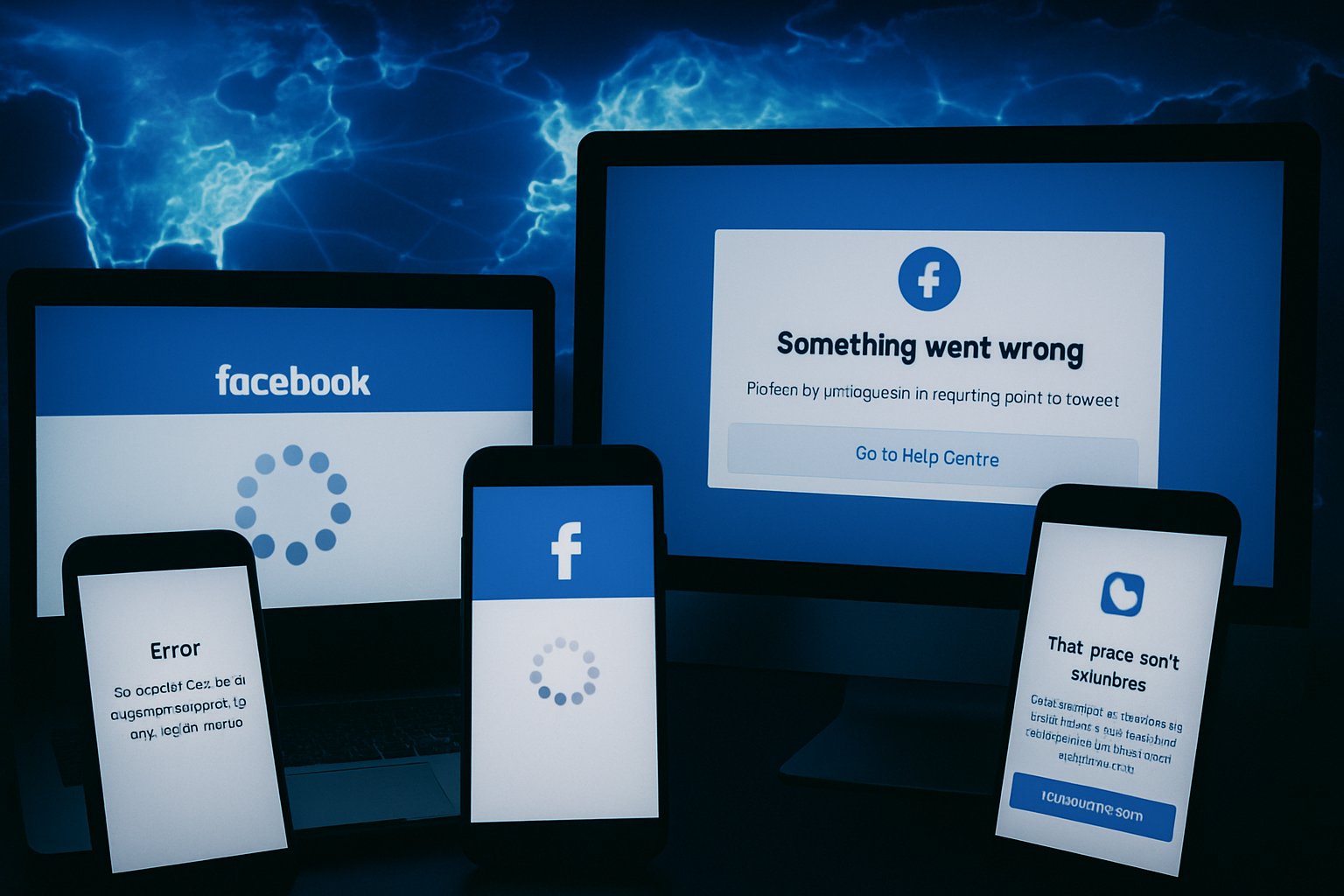
Facebook experienced a significant global technical outage Tuesday evening, disrupting service for millions of users worldwide as the social media platform struggled with widespread connectivity issues that prevented normal access and functionality.
The outage began around Tuesday evening local time, with users across multiple continents reporting inability to access their Facebook accounts or experiencing severely degraded performance when attempting to use the platform's services.
Global Impact and User Reports
Users in Algeria, Australia, and Norway were among those reporting widespread access problems, with many encountering "network unavailable" error messages when attempting to log into the platform. The technical issues manifested differently across regions, with some users experiencing complete inability to access the service while others reported significant slowdowns in page loading times and feature malfunctions.
Australian users specifically reported being unable to access the social media site through desktop browsers, while the mobile application also showed signs of instability. The disruption occurred during peak evening hours in several time zones, maximizing the impact on users' daily social media routines.
Norwegian media outlets confirmed that users in Scandinavia were also experiencing login difficulties and service interruptions, indicating the global scope of the technical problems affecting Meta's flagship platform.
Technical Characteristics of the Outage
The outage appeared to be primarily infrastructure-related, with users reporting a range of symptoms including complete inability to load the main Facebook website, intermittent connectivity that would connect briefly before dropping, and significant delays in loading content for those who managed to access the platform.
Unlike some previous Facebook outages that have been linked to specific features or regional server problems, Tuesday's disruption showed characteristics of a more fundamental technical issue affecting the platform's core connectivity infrastructure across multiple geographic regions simultaneously.
Regulatory Context and Platform Scrutiny
This technical disruption comes during a period of unprecedented regulatory scrutiny for Meta and other major social media platforms. European authorities have been implementing increasingly strict oversight measures, with several countries introducing age verification requirements and content moderation standards that have required significant technical infrastructure changes.
The timing of the outage coincides with broader discussions about platform reliability and the dependency of billions of users on centralized social media services for communication, news consumption, and social interaction. Recent months have seen similar disruptions across various major platforms, raising questions about the resilience of digital infrastructure that has become essential to modern communication.
Spain has recently implemented some of the world's most aggressive social media regulation, including criminal liability frameworks for platform executives, while Australia has successfully enforced under-16 age restrictions that eliminated millions of teen accounts. These regulatory pressures have required substantial technical modifications to platform operations.
Historical Context of Platform Outages
Major social media platforms have experienced several significant outages in recent months, highlighting the fragility of centralized digital communication systems. YouTube experienced a global service disruption in February 2026 that affected millions of users, particularly in the United States and Southeast Asia, when its recommendation system malfunctioned.
These incidents demonstrate the critical role that social media platforms now play in global communication infrastructure, with outages having immediate and measurable impacts on everything from business operations to emergency communications in various regions.
The frequency of such disruptions has raised concerns among digital rights advocates and technology policy experts about the concentration of communication capabilities in the hands of a few major technology companies, and the systemic risks this creates for global connectivity.
Platform Response and Communication
As of the time of this report, Meta, Facebook's parent company, had not issued an official statement regarding the nature of the technical problems or provided a timeline for complete service restoration. This lack of immediate communication is consistent with the company's typical response pattern during major outages, where technical teams focus on resolution before providing detailed public explanations.
The company's engineering teams were reportedly working to identify the root cause of the connectivity issues and implement appropriate fixes. Previous Facebook outages have typically been resolved within several hours, though the company has occasionally faced more extended disruptions requiring comprehensive infrastructure repairs.
Implications for Users and Businesses
The outage affected not only individual users but also the millions of businesses, content creators, and organizations that rely on Facebook for customer communication, marketing, and revenue generation. Small businesses that use Facebook as their primary digital storefront faced immediate disruption to their customer interaction capabilities.
Content creators who depend on the platform for audience engagement and monetization experienced potential revenue losses during peak engagement hours. The economic impact of such outages extends beyond direct advertising revenue to affect the broader digital economy that has developed around major social media platforms.
Educational institutions, nonprofit organizations, and community groups that use Facebook for essential communication also found their outreach capabilities temporarily compromised, demonstrating the platform's role in critical social infrastructure.
Looking Forward
This latest outage serves as another reminder of the vulnerabilities inherent in centralized digital communication systems and the potential consequences when essential services experience technical failures. As regulatory pressure continues to mount globally, major platforms face the challenge of maintaining reliable service while implementing significant technical and policy changes.
The incident also highlights the importance of platform diversity and redundant communication channels, as users increasingly rely on single platforms for essential personal and professional communications. Digital resilience experts have long advocated for distributed communication strategies that don't depend entirely on any single service provider.
As Facebook's technical teams work to fully restore service and prevent similar disruptions, the global nature of this outage underscores the interconnected reality of modern digital communication and the far-reaching consequences when major platforms experience technical difficulties.