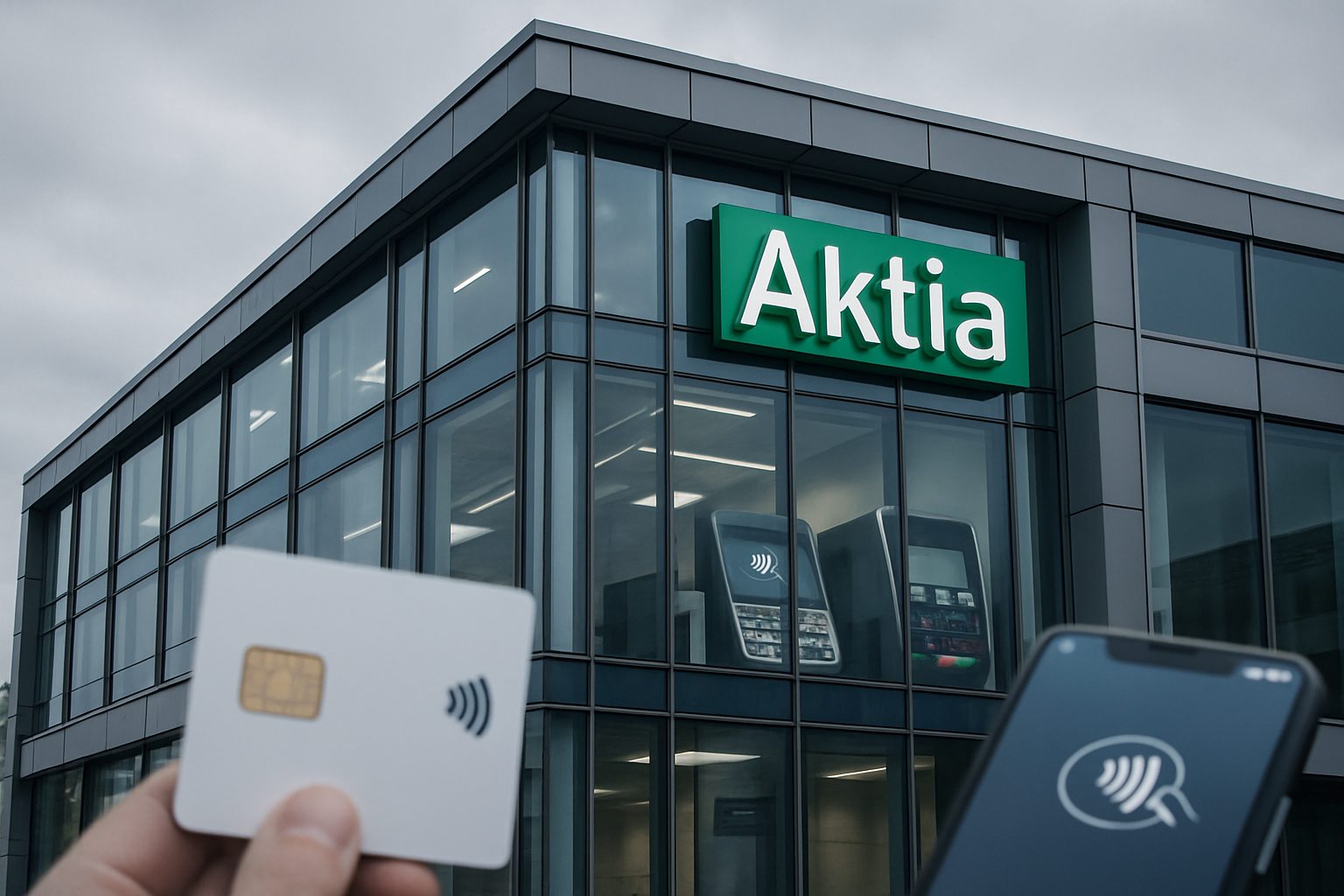
Finnish banking services experienced notable disruptions this week as Aktia Bank reported delays in incoming payments, while simultaneously, credit management data revealed significant improvements in household financial stability with serious payment problems declining across the nation.
According to reports from February 23, 2026, Aktia Bank confirmed that a portion of incoming payments has been delayed, affecting customers awaiting transfers and direct deposits. The disruption represents a technical challenge for one of Finland's established banking institutions, though specific details about the scope and timeline for resolution remain limited.
Declining Household Payment Problems Signal Economic Recovery
In a contrasting development that suggests broader economic health improvements, credit management company Intrum released data showing a significant reduction in serious payment problems among Finnish households. The decline indicates that household financial conditions have strengthened compared to previous periods, representing a positive trend in consumer financial stability.
This improvement in household creditworthiness comes at a crucial time for the European banking sector, which has been navigating complex economic conditions including persistent inflation concerns and evolving monetary policy across the eurozone. The European Central Bank maintained its deposit rate at 2% in February 2026, with eurozone inflation declining to 1.7% in January—the lowest level since 2021 and below the ECB's 2% target.
European Banking Context and Digital Transformation
Finland's banking developments occur within a broader European financial services transformation characterized by increased digitalization and improved operational resilience. Across Europe, financial institutions have been investing heavily in digital infrastructure and risk management systems, with notable success stories emerging from various markets.
"The change tells us that household financial conditions have improved from before," the Intrum assessment noted, highlighting the positive trajectory in consumer financial health.
— Intrum Credit Management Analysis
The simultaneous occurrence of operational challenges at Aktia and improving household finances reflects the complex dynamics facing Nordic banking. While technical disruptions highlight the importance of robust payment infrastructure, the underlying improvement in customer financial health suggests strong fundamentals supporting the sector's long-term prospects.
Global Banking Sector Performance Indicators
Recent international banking performance data provides context for Finland's situation. Egyptian banks, for instance, have demonstrated remarkable growth with institutions like ADIB-Egypt reporting 40% net profit increases and significant asset expansion. Similarly, Pakistani institutions such as Bank of Punjab achieved record financial performance with substantial digital transformation success, showing 78% of customer transactions shifted to digital channels.
These global examples illustrate the banking sector's capacity for resilience and growth despite operational challenges, suggesting that Finland's current payment disruptions are likely temporary setbacks rather than systemic issues.
Technology Infrastructure and Payment Systems
The Aktia payment delays underscore the critical importance of robust payment infrastructure in modern banking. Across Europe, financial institutions have been upgrading core banking platforms and implementing advanced API-driven architectures to improve resilience and processing capabilities. Recent implementations, such as Bank of Bhutan's successful launch of TCS BaNCS Global Banking Platform, demonstrate the potential for significant operational improvements through technology modernization.
Finland's banking sector has historically been a leader in digital innovation, with the country achieving high rates of electronic payment adoption and mobile banking usage. The current disruptions may accelerate further infrastructure improvements and redundancy measures to prevent similar incidents.
Credit Management and Economic Implications
The improvement in household payment problems reported by Intrum represents a significant positive indicator for Finland's economic outlook. Declining serious debt issues suggest that consumers have either improved their income situations, successfully managed existing obligations, or benefited from broader economic stability measures.
This trend aligns with broader European recovery patterns, where several nations have reported improvements in banking sector health. Cyprus, for example, has seen continued loan quality improvements with non-performing loan ratios declining from 4.2% to 4.0%, while maintaining stable economic growth.
Regulatory Environment and Compliance
The Finnish banking sector operates within an increasingly stringent regulatory framework, with European authorities maintaining strict oversight of financial institutions. Recent developments, including record fines issued by the European Central Bank for operational deficiencies, highlight the importance of maintaining robust systems and compliance procedures.
Finnish banks have generally maintained strong compliance records and operational standards, making the current Aktia disruption notable for its rarity rather than representing a systemic concern. The incident may prompt additional regulatory attention to payment system resilience across the Nordic region.
Market Outlook and Recovery Prospects
Despite the immediate challenges posed by payment disruptions, Finland's banking sector fundamentals remain strong. The improvement in household financial conditions provides a solid foundation for credit growth and operational recovery. Additionally, the broader European banking environment has shown resilience, with institutions successfully navigating complex monetary policy conditions and achieving strong performance metrics.
The combination of declining serious payment problems and the underlying strength of Finnish financial institutions suggests that current operational challenges are temporary. Banks across the Nordic region have demonstrated capacity for quick problem resolution and system improvements, often emerging stronger from technical challenges.
Looking Forward: Digital Banking Evolution
The current situation in Finland reflects broader themes affecting global banking: the critical importance of payment infrastructure reliability, the positive impact of improved household financial health, and the ongoing digital transformation of financial services. As institutions continue investing in advanced technologies and payment systems, temporary disruptions may become increasingly rare.
Finland's experience provides valuable lessons for other markets undergoing similar digital transformations. The simultaneous occurrence of operational challenges and improved customer financial metrics demonstrates the multifaceted nature of modern banking evolution, where technical modernization must proceed alongside maintaining service reliability and supporting economic recovery.
The resolution of Aktia's payment delays will likely serve as a case study for improving banking infrastructure resilience across the Nordic region and beyond, contributing to the ongoing evolution of European financial services toward greater stability and efficiency.