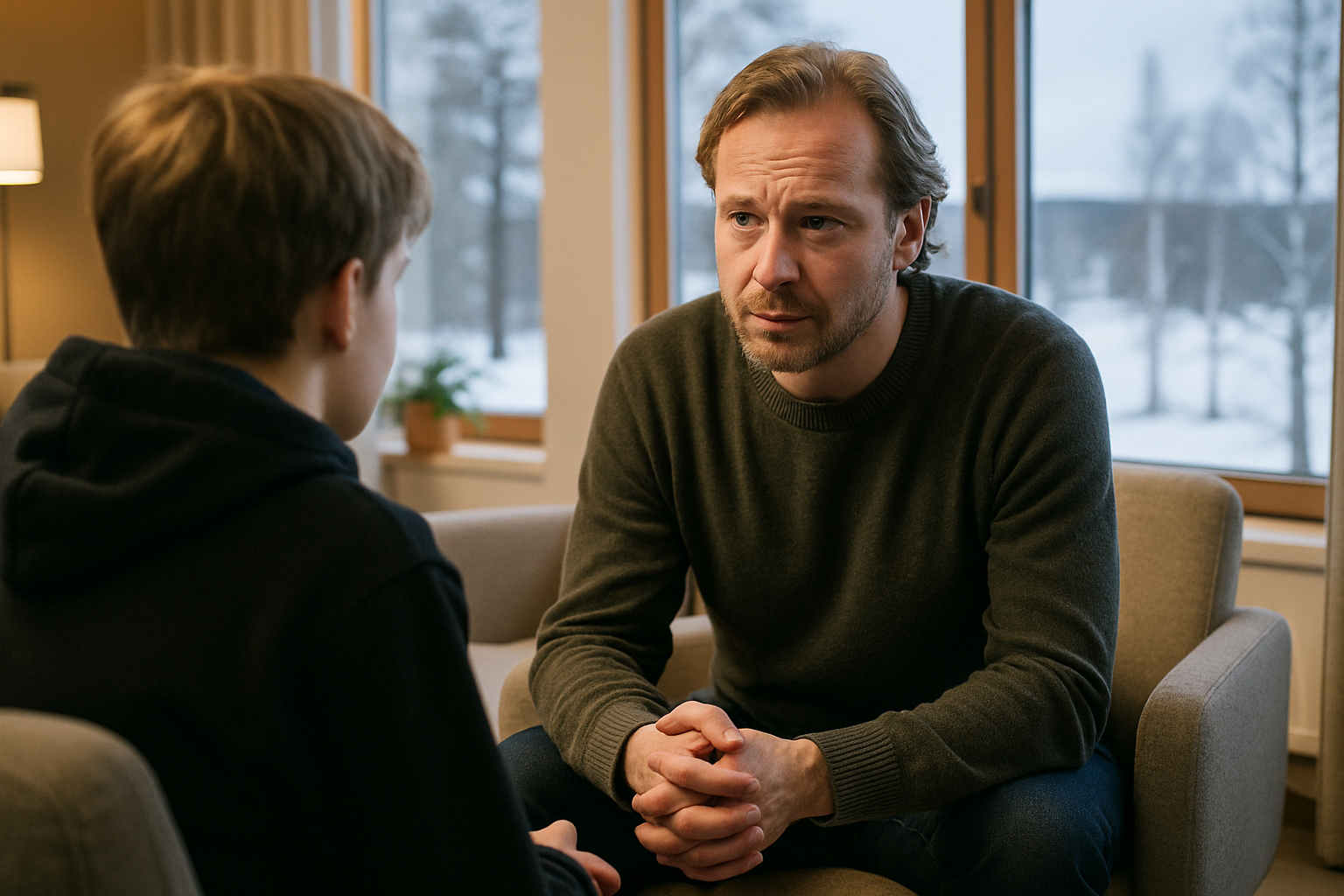
A prominent Finnish actor is using her own challenging experiences with drugs during youth to help a new generation of young people struggling with substance abuse, according to a comprehensive investigation aired on Yle MOT.
The program, which examines the escalating crisis of youth drug deaths in Finland, follows the work of Saija Lentonen and her partner as they provide critical support to young drug users across the country. Lentonen's approach is grounded in personal experience, as she explains: "I have a connection to this from my own youth."
Personal Experience as Foundation for Healing
Lentonen's candid acknowledgment of her own past struggles with substance use provides a unique foundation for her current work with vulnerable young people. Her willingness to draw on personal experience represents a growing trend in addiction recovery, where lived experience becomes a powerful tool for connection and healing.
The actor's transition from entertainment to social work reflects broader changes in how Finnish society approaches addiction recovery, moving from purely medical or punitive models toward more holistic, human-centered approaches that acknowledge the complex personal and social factors behind substance abuse.
Context of Finland's Youth Drug Crisis
Lentonen's work comes at a critical time for Finnish youth. The country is experiencing significant challenges with drug-related deaths among young people, prompting national soul-searching about drug policy effectiveness. Recent statements from Social Security Minister Sanni Grahn-Laasonen admitted Finland had taken a "blue-eyed" (naïve) approach to substance abuse issues, acknowledging policy failures as drug availability increased and deaths mounted.
This admission represents a significant policy reassessment in a Nordic country traditionally seen as a progressive social policy model. The minister conceded Finland "failed to protect users" despite years of policy implementation, while drug availability has improved from dealers' perspectives and drug-related deaths have risen.
Prevention-First Approaches in Action
The work documented in the Yle MOT program aligns with Finland's broader shift toward what experts call "prevention-first" healthcare strategies. These approaches emphasize early intervention, community engagement, and peer support over reactive crisis management.
Internationally, similar prevention-focused strategies have demonstrated superior cost-effectiveness and measurable community resilience improvements. Countries implementing comprehensive prevention programs report reduced emergency care demands and better population health outcomes, creating economic benefits through decreased crisis interventions.
"I have a connection to this from my own youth."
— Saija Lentonen, Finnish Actor and Youth Counselor
The Power of Authentic Connection
Mental health professionals increasingly recognize the importance of authentic connections over performance metrics in addiction recovery. Lentonen's approach embodies this principle, using her personal understanding of addiction struggles to create trust and rapport with young people who may have lost faith in traditional authority figures.
This model reflects broader global trends in mental health treatment, where lived experience is valued alongside professional training. The approach recognizes that sustainable wellness must accommodate human struggle and imperfection, rather than demanding constant progress or perfection.
Broader Implications for Finnish Society
The work highlighted in the Yle MOT investigation represents part of Finland's larger reckoning with drug policy and youth mental health. Recent developments include concerns about social anxiety crises among Finnish university students, with officials treating student mental health as strategic infrastructure rather than optional programming.
Finland's approach to integrating lived experience with professional intervention provides a model for other Nordic countries facing similar challenges. The emphasis on human-centered care, combined with systemic policy reform, suggests a comprehensive strategy for addressing complex social issues.
International Context and Cooperation
Finland's evolving approach to addiction recovery occurs within the broader context of what experts call the "Therapeutic Revolution of 2026" - a global shift toward prevention-first mental healthcare strategies. International research has established clear links between early intervention and improved outcomes, making Finland's approach part of a worldwide transformation in addiction treatment.
Success in these initiatives requires sustained political commitment, community engagement, cultural adaptation, and scientific research integration. Finland's model, combining personal experience with professional support systems, offers valuable insights for countries developing their own approaches to youth addiction recovery.
Looking Forward
As the Yle MOT investigation documents, the work of individuals like Saija Lentonen represents hope for a new approach to addiction recovery in Finland. By combining personal experience with compassionate intervention, these efforts may help establish new precedents for evidence-based approaches in addressing one of society's most complex challenges.
The success of such initiatives depends on continued support from communities, policymakers, and healthcare systems willing to embrace innovative approaches that prioritize human connection alongside professional expertise. For young people struggling with addiction, having advocates who truly understand their experiences may prove invaluable in their journey toward recovery and renewed hope.