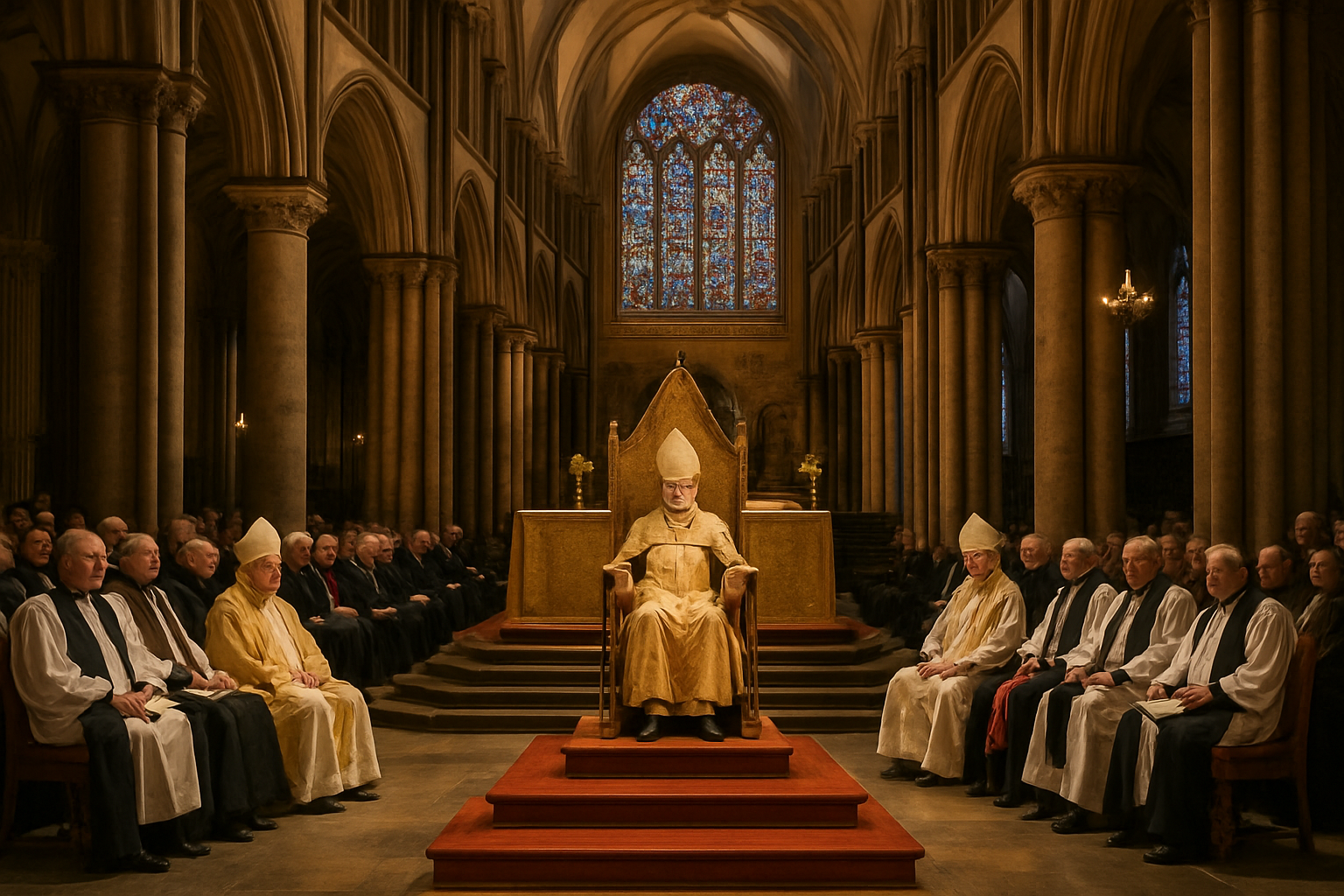
Dame Sarah Mullally made history on Wednesday as she was enthroned as the Church of England's first female Archbishop of Canterbury, marking a transformative moment for the Anglican Communion and its 85 million members worldwide.
The historic ceremony at Canterbury Cathedral saw the former nurse and civil servant seated in the 13th-century Chair of St Augustine before an audience of approximately 2,000 distinguished guests, including the Prince and Princess of Wales, Prime Minister Keir Starmer, and religious leaders from across the globe.
"I recognise the significance of being the first female Archbishop," Mullally told BBC News in an interview before the service, adding that the ceremony would prominently feature women's voices as part of the historic occasion.
A Momentous Breakthrough for Anglican Leadership
The enthronement represents a defining moment not just for the Church of England, but for global religious leadership. Bishop Rachel Treweek, who was consecrated alongside Mullally in 2015 among the Church's first women bishops, expressed the magnitude of this achievement to Reuters.
"It's a huge moment for the Church... I don't think any of us thought we'd have a female Archbishop this quickly," said Bishop Treweek, highlighting how rapidly the Anglican Church has embraced women's leadership at the highest levels.
The ceremony mixed centuries-old Anglican traditions with contemporary symbolism, reflecting both the historical weight and progressive nature of Mullally's appointment. The presence of Prince William and Catherine underscored the constitutional importance of the Archbishop of Canterbury's role as the spiritual leader of the established Church of England.
From Nursing to National Leadership
Dame Sarah Mullally's path to the archbishopric reflects a unique background that bridges healthcare, public service, and religious calling. Her previous career as a nurse was specifically acknowledged in the ceremony's composition, with nurses and carers included among the congregation to honor her professional heritage.
This recognition of her healthcare background carries particular resonance given the ongoing global health challenges and the Church's traditional role in providing pastoral care during times of crisis. Mullally's experience in both medical care and civil service positions her uniquely to address contemporary social issues facing the Anglican community.
Global Significance and International Impact
As spiritual leader of 85 million Anglicans worldwide, Archbishop Mullally's appointment reverberates far beyond England's borders. The Anglican Communion spans diverse cultures and nations, from Africa to Asia to the Americas, making her historic role as the first female Archbishop of Canterbury a milestone of global significance.
The timing of her enthronement coincides with broader movements toward women's religious leadership worldwide. Recent developments have seen other denominations and regions embracing female leadership, including the consecration of Reverend Elizabeth Eleanor Wuyah Sowa as the first-ever female bishop of the United Brethren in Christ Sierra Leone Conference in February 2026.
Ceremonial Traditions Meet Modern Progress
The enthronement ceremony at Canterbury Cathedral carefully balanced ancient traditions with contemporary recognition of this historic first. The use of the 13th-century Chair of St Augustine – the same seat used by archbishops for nearly eight centuries – provided continuity with Anglican tradition while marking a revolutionary departure from its exclusively male occupancy.
The decision to prominently feature women's voices throughout the service represented a deliberate acknowledgment of the gender milestone being achieved. This thoughtful integration of progressive elements within traditional liturgical frameworks demonstrates the Church of England's approach to modernization while respecting historical precedent.
Political and Religious Dignitaries in Attendance
The presence of Prime Minister Keir Starmer alongside the Prince and Princess of Wales highlighted the constitutional significance of the Archbishop of Canterbury's role in British society. As the senior bishop and principal leader of the Church of England, the Archbishop serves not only as a spiritual figure but as an influential voice in national affairs.
The inclusion of international religious leaders in the congregation emphasized the global reach of Anglican influence and the worldwide attention focused on this historic appointment. The ceremony served as both a celebration of progress and a statement about the Church's commitment to inclusive leadership.
Historical Context and Future Implications
Dame Sarah Mullally's appointment comes just over a decade after the Church of England first authorized the consecration of women bishops in 2014. Her elevation to the archbishopric represents the culmination of decades-long efforts to expand women's roles within Anglican leadership structures.
The rapid progression from the first women bishops to the first female Archbishop of Canterbury – as noted by Bishop Treweek – demonstrates the accelerating pace of change within the Anglican Church. This momentum suggests continued evolution in church governance and leadership representation.
The historic nature of Mullally's appointment extends beyond symbolic significance to practical implications for Church policy, theological interpretation, and pastoral approaches. Her unique background combining healthcare, public service, and religious leadership may influence how the Church addresses contemporary social challenges, from healthcare ethics to social justice initiatives.
Challenges and Opportunities Ahead
As the first female Archbishop of Canterbury, Dame Sarah Mullally faces both unprecedented opportunities and unique challenges. Her leadership will be closely watched by Anglican communities worldwide, progressive religious movements, and those within the Church who may have reservations about women's ordination.
Her background in nursing and public service provides practical experience in crisis management, community care, and institutional leadership – skills that will prove valuable in addressing the diverse needs of the global Anglican Communion. The inclusion of nurses and carers at her enthronement ceremony signals her continued commitment to these foundational values.
The Archbishop's role in contemporary British society encompasses not just religious leadership but moral authority on national issues, interfaith relations, and social policy. Mullally's unique perspective as both a woman and a healthcare professional may bring fresh approaches to these traditional archiepiscopal responsibilities.
Archbishop Sarah Mullally's historic enthronement marks not just a personal achievement but a transformative moment for religious leadership globally. Her appointment demonstrates the Anglican Church's commitment to progressive inclusion while maintaining its rich traditions, setting a precedent that may influence religious institutions worldwide in their approach to women's leadership and institutional modernization.