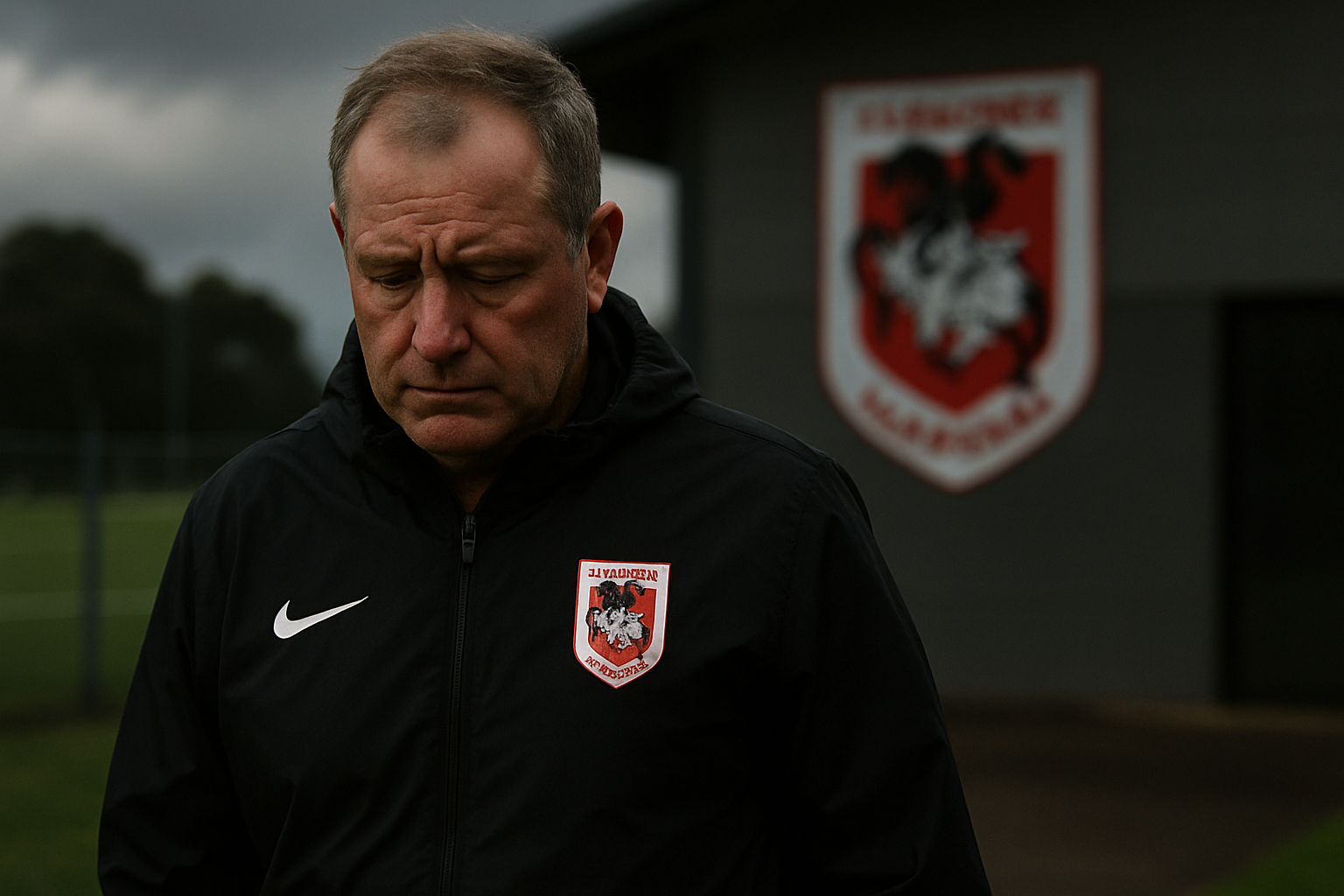
Shane Flanagan's tenure as St George Illawarra Dragons coach has been terminated following the club's disastrous 0-7 start to the 2026 NRL season, marking one of the most dramatic coaching dismissals in recent rugby league history.
The veteran coach was shown the door by the Dragons hierarchy on Monday morning, just eight months after receiving a contract extension that was supposed to secure his future at the club. The decision comes after the Red V failed to register a single victory through the opening seven rounds of the competition, leaving them anchored to the bottom of the NRL ladder.
Unprecedented Start Seals Fate
Flanagan's dismissal represents the culmination of mounting pressure following what Dragons chairman Andrew Lancaster described as "dismal performances" that have left the club in an untenable position. The 0-7 start is the worst opening to a season in the Dragons' modern history, surpassing previous low points that had already tested the patience of the club's loyal supporters.
The contrast between the club's optimism just eight months ago and today's reality could not be starker. When Flanagan signed his contract extension in August 2025, the Dragons were positioning themselves as a team ready to challenge for finals football. Instead, they find themselves in a familiar position at the foot of the ladder, searching for answers to systemic problems that have plagued the joint venture for years.
"After an 0-7 start to the year, the veteran coach has been shown the door by the Dragons."
— Sydney Morning Herald report
Chairman Hits Back at Media Coverage
In the aftermath of Flanagan's sacking, Dragons chairman Andrew Lancaster took aim at media coverage of the team's struggles, suggesting that negative reporting had contributed to the pressure surrounding the coaching position. Lancaster's comments reflect the defensive posture adopted by the club's hierarchy as they attempt to manage the fallout from another coaching change.
The chairman's criticism of media coverage follows a pattern seen across Australian rugby league, where struggling clubs often find themselves at odds with journalists and commentators who chronicle their decline. However, critics argue that the Dragons' problems run far deeper than media scrutiny, pointing to fundamental issues with player recruitment, development systems, and strategic planning that have persisted regardless of who occupies the coaching role.
Pattern of Coaching Instability
Flanagan's departure continues a troubling pattern of coaching instability that has become characteristic of the Dragons organization. The club has now cycled through multiple coaches in recent years, each promising to restore the proud Red V to its former glory, only to fall short of expectations and face the inevitable consequences.
This coaching carousel reflects broader challenges facing professional rugby league clubs in 2026, where the margin for error has shrunk dramatically and patience for poor results has virtually disappeared. The financial implications of constant coaching changes – including severance packages, recruitment fees, and the disruption to training programs – represent substantial investments that clubs can ill afford in an increasingly competitive marketplace.
Historical Context of Dragons' Struggles
The Dragons' current predicament must be understood within the context of their long-term decline from the heights of their 2010 premiership victory. Since that triumph, the club has struggled to maintain consistent performance levels, often showing promise in pre-season only to falter when competition begins in earnest.
The joint venture's structural challenges have been well-documented, with the dual-identity model creating complexities that rival clubs with singular focus don't face. These organizational issues have been compounded by poor recruitment decisions, salary cap pressures, and an inability to develop local talent effectively.
Immediate Challenges Ahead
With Flanagan's departure confirmed, the Dragons face the urgent task of appointing a replacement who can salvage something from the remainder of the 2026 season. The club's predicament is complicated by the limited pool of available coaches and the unattractive nature of taking over a team that appears destined for another bottom-four finish.
The new coach will inherit a demoralized playing group, frustrated supporters, and a club hierarchy under intense pressure to demonstrate that they can make the right strategic decisions. The challenge extends beyond simply improving results on the field; it involves rebuilding confidence, establishing clear playing systems, and beginning the long process of cultural change that successful organizations require.
Broader Implications for NRL
Flanagan's dismissal occurs during a period of significant change across the NRL, where traditional powerhouses face challenges from emerging teams and the competitive balance continues to shift. The Dragons' struggles highlight the difficulty that some clubs face in adapting to modern professional rugby league, where success requires excellence across multiple dimensions including player development, tactical innovation, sports science, and organizational culture.
The timing of the dismissal, coming so early in the season and so soon after a contract extension, sends a clear message about the unforgiving nature of modern professional sport. Coaches are increasingly judged on immediate results rather than long-term development, creating an environment where building sustainable success becomes increasingly difficult.
Fan Frustration Reaches Breaking Point
Perhaps most concerning for the Dragons is the impact that continued poor performance is having on their supporter base. The club's loyal fans have endured years of disappointment, watching as other organizations have built successful programs while the Red V has remained mired in mediocrity.
The psychological toll on supporters cannot be underestimated, as each new season begins with hope only to dissolve into familiar patterns of underachievement. This erosion of fan confidence has real commercial implications, affecting membership sales, merchandise revenue, and the general atmosphere at home games that successful clubs rely upon.
Path Forward Uncertain
As the Dragons begin their search for a new coach, the fundamental question remains whether changing the person in charge can address the deeper structural and cultural issues that have plagued the organization. History suggests that coaching changes alone are rarely sufficient to transform struggling clubs, particularly when the same administrative structures and processes remain in place.
The new appointment will need to be part of a broader strategic review that examines every aspect of the Dragons' operations, from recruitment and development to coaching methodologies and organizational culture. Only through such comprehensive change can the club hope to break the cycle of underperformance that has defined their recent history.
For now, the Dragons face the immediate challenge of trying to compete effectively in the remaining rounds of the 2026 season while simultaneously planning for a future that must involve fundamental changes if the proud Red V is to return to the success that their supporters deserve.