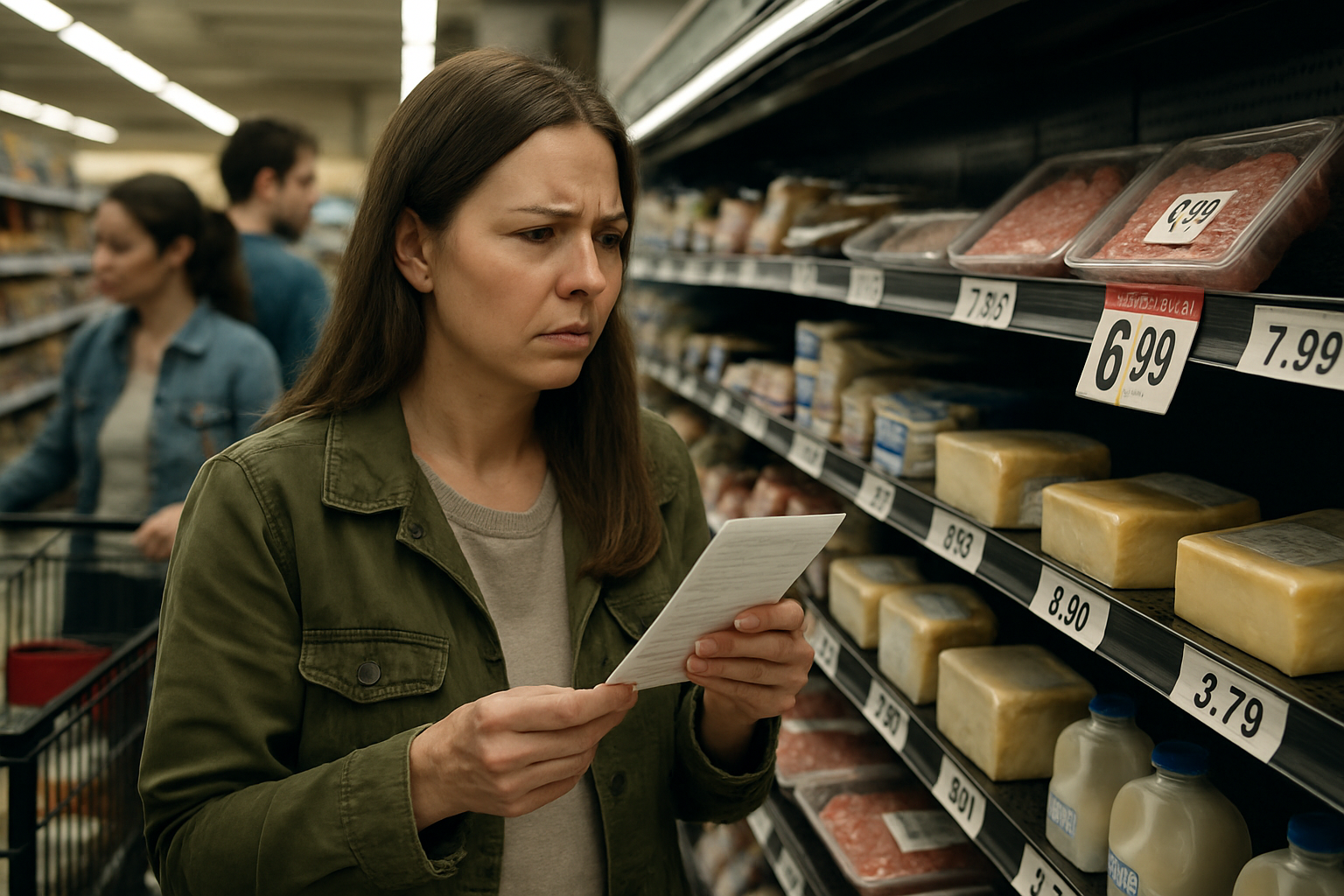
Food prices continue their relentless climb across major economies, with New Zealand reporting a 4.5% annual increase in food costs while the United Kingdom experiences severe "shrinkflation" in Easter eggs, presenting consumers with smaller products at higher prices during the March 2026 shopping season.
The latest data reveals a concerning trend affecting household budgets worldwide, as consumers face the double burden of rising prices and reduced product sizes. In New Zealand, beef mince has experienced its largest price surge in two decades, jumping 23.2% year-on-year, making basic protein staples increasingly unaffordable for many families.
Shrinkflation Hits Easter Shopping Hard
British shoppers are confronting what consumer advocacy group Which? describes as a particularly aggressive form of shrinkflation in the chocolate confectionery sector. Popular branded Easter eggs have not only increased in price by more than 40% in some cases but have also shrunk in size, delivering a devastating one-two punch to family budgets during the traditional holiday shopping period.
The phenomenon, where manufacturers reduce product sizes while maintaining or increasing prices, represents a stealth form of inflation that many consumers fail to notice immediately. This practice has become increasingly common as food producers seek to maintain profit margins while facing rising input costs from supply chain disruptions, energy price volatility, and labor shortages.
"Shoppers are shelling out for smaller eggs again this Easter as shrinkflation takes another bite out of the favourite seasonal treat."
— Which? Consumer Research Team
New Zealand Food Crisis Deepens
The situation in New Zealand reflects broader global food security challenges, with the country's food price index showing persistent upward pressure across multiple categories. The 23.2% increase in beef mince prices represents the most dramatic single-item food inflation seen in the country for decades, forcing many households to reconsider their protein consumption patterns.
This price surge comes as the country grapples with ongoing supply chain disruptions, increased transportation costs, and the global inflationary environment that has persisted through early 2026. The New Zealand Herald's analysis of supermarket pricing strategies has revealed the extent to which consumers are being forced to adapt their shopping habits in response to these economic pressures.
Supermarket Survival Strategies
As food inflation continues to squeeze household budgets, consumer advocates and financial experts are promoting strategic shopping approaches to help families maintain nutritional standards while managing costs. These strategies have become essential tools for navigating the current food price environment.
Key recommendations include:
- Comparing unit prices rather than package prices to identify genuine value
- Purchasing seasonal produce when prices are naturally lower
- Utilizing store loyalty programs and digital coupons effectively
- Planning meals around sale items and bulk purchasing opportunities
- Exploring alternative protein sources when traditional options become prohibitively expensive
Global Food System Under Pressure
The current food inflation crisis reflects deeper structural issues within global food systems. Climate change continues to affect agricultural productivity, with extreme weather events disrupting crop yields and livestock production. Meanwhile, geopolitical tensions have created additional supply chain vulnerabilities, particularly affecting energy-intensive food production and transportation.
Memory analysis from previous food security investigations reveals that this crisis builds upon a pattern of agricultural challenges that have persisted throughout 2025 and into 2026. The convergence of climate pressures, supply chain vulnerabilities, and economic instabilities has created what experts describe as a "perfect storm" for global food security.
Regional Variations in Impact
While New Zealand and the UK represent clear examples of food inflation pressure, the impact varies significantly across different regions and economic systems. Some areas have experienced more moderate price increases, while others face even more severe challenges depending on their agricultural base, import dependencies, and economic resilience.
The variation in impact reflects the complex interaction between local economic conditions, international trade relationships, and supply chain efficiency. Countries with more diversified food systems and stronger domestic production capacity have generally shown greater resilience to these global pressures.
Industry Response and Adaptation
Food retailers and manufacturers are implementing various strategies to navigate this challenging environment. Some are focusing on private label products to offer more affordable alternatives, while others are investing in supply chain efficiency improvements to control costs.
However, the widespread adoption of shrinkflation tactics suggests that many companies are choosing to maintain profit margins rather than absorb increased costs. This approach, while protecting business viability in the short term, places additional burden on consumers who must adapt to receiving less value for their money.
Consumer Protection Measures
Regulatory authorities in various jurisdictions are beginning to examine whether current consumer protection measures adequately address the shrinkflation phenomenon. The challenge lies in balancing legitimate business needs to maintain viability with protecting consumers from deceptive packaging and pricing practices.
Some advocacy groups are calling for enhanced labeling requirements that would make product size changes more transparent to consumers. Others suggest that competition authorities should examine whether coordinated shrinkflation practices constitute anti-competitive behavior in concentrated retail markets.
Looking Forward: Sustainable Solutions
Addressing the current food inflation crisis requires comprehensive approaches that tackle both immediate price pressures and longer-term structural challenges. This includes investing in agricultural resilience, diversifying supply chains, and developing more sustainable food production systems.
Consumer education remains crucial, as informed shoppers are better equipped to navigate the complex pricing environment and make decisions that maximize their purchasing power. Understanding the difference between genuine sales and shrinkflation tactics empowers consumers to vote with their wallets for more transparent business practices.
The March 2026 food price environment represents a critical juncture for global food systems. How consumers, businesses, and policymakers respond to these challenges will shape food accessibility and affordability for years to come. Success will require coordinated action addressing immediate affordability concerns while building resilience against future supply chain disruptions and climate-related agricultural challenges.