A convergence of food safety crises and revolutionary nutrition research is reshaping global dietary guidance in February 2026, as experts demand comprehensive policy reforms while traditional dietary wisdom receives unprecedented scientific validation.
From New Zealand's calls for stricter ultra-processed food marketing regulations to Slovakia's groundbreaking research on nuts' cardiovascular benefits, the global food and nutrition landscape is experiencing unprecedented transformation amid mounting safety concerns and climate pressures.
Ultra-Processed Food Marketing Under Global Scrutiny
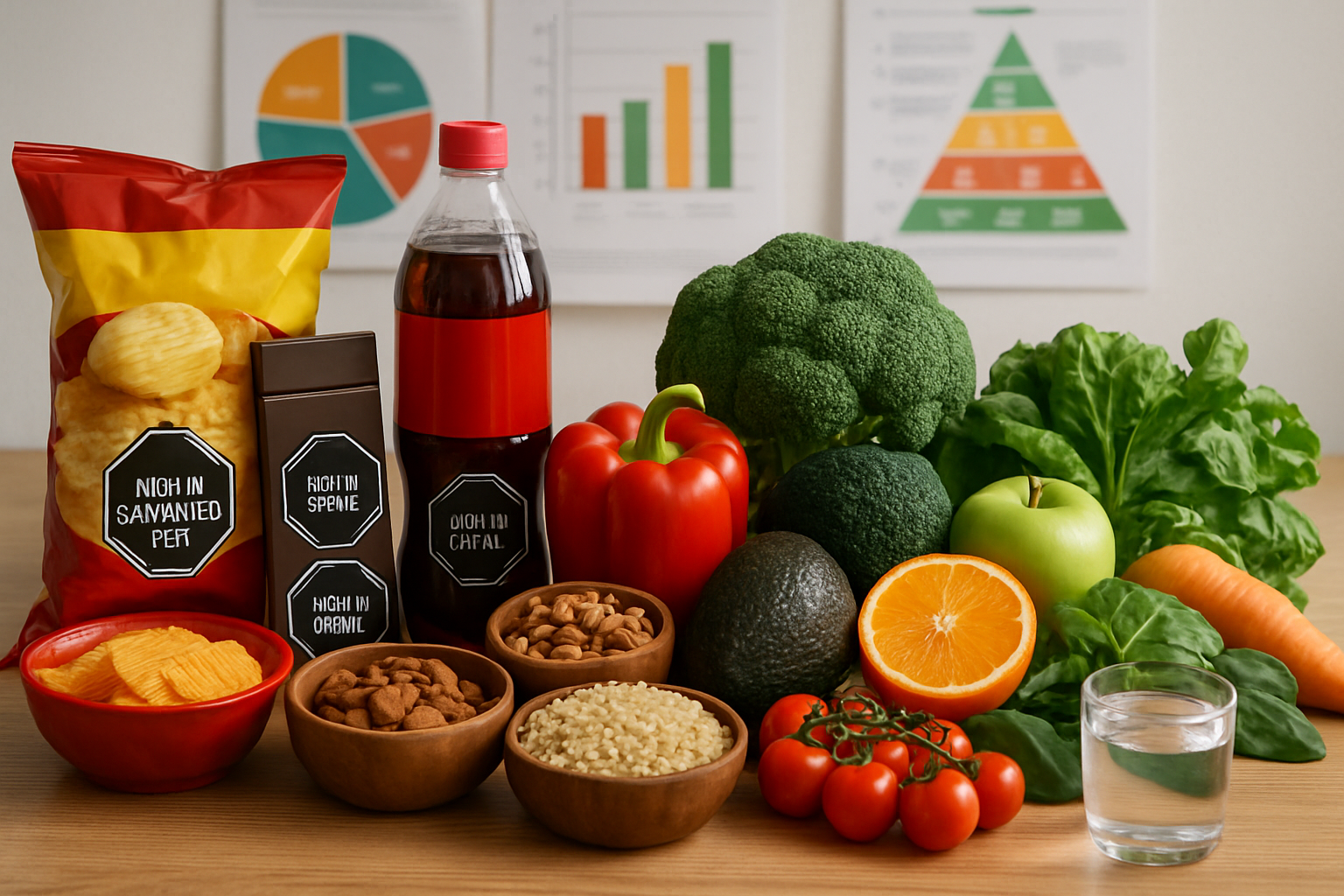
University researchers in New Zealand are leading international efforts to restrict marketing practices targeting children for ultra-processed foods, highlighting the urgent need for comprehensive regulatory frameworks. The research emphasizes that current labeling systems fail to adequately protect vulnerable populations from products designed for "addiction-like consumption patterns."
This movement aligns with Romania's comprehensive warnings comparing ultra-processed food risks to tobacco smoking, demonstrating how manufacturers manipulate products through industrial modification that strips nutrients while adding preservatives, artificial flavors, and chemical stabilizers linked to cancer, cardiovascular disease, and metabolic disorders.
"Better labelling and restrictions around packaging directed at children is needed. These products are engineered to bypass our natural satiety signals."
— New Zealand University Researcher
Traditional Foods Gain Scientific Validation
Slovak nutritional researchers have rediscovered the extraordinary health potential of commonly overlooked nuts, challenging expensive exotic superfood marketing trends. Their research reveals that different nuts provide distinct benefits: walnuts excel in omega-3 fatty acids, while almonds are superior sources of fiber and vitamin E, supporting cardiovascular health and cognitive function.
This scientific validation of traditional foods represents a broader global trend toward evidence-based nutrition that honors cultural dietary wisdom while embracing modern understanding. Mediterranean diet research continues to demonstrate 25% stroke risk reduction over 20 years, while coffee and tea consumption shows 18% dementia risk reduction benefits.
Climate Change Amplifies Food Safety Challenges
February 2026 marks the 18th consecutive month of global temperatures exceeding 1.5°C above pre-industrial levels, creating unprecedented stress on food systems worldwide. These climate extremes are facilitating pathogen growth, disrupting traditional preservation methods, and forcing rapid adaptation in food safety protocols.
The European infant formula crisis, affecting over 36 infants with cereulide toxin contamination from major manufacturers like Nestlé and Danone, demonstrates how heat-stable toxins can survive standard pasteurization processes, requiring enhanced molecular testing capabilities beyond conventional bacterial detection methods.
Prevention-First Healthcare Revolution
Medical experts worldwide are emphasizing a fundamental shift from reactive treatment to prevention-focused strategies through nutrition. Countries implementing comprehensive prevention programs report superior cost-effectiveness compared to traditional treatment-focused approaches, with substantial long-term cost reductions through decreased crisis interventions.
Research from multiple countries shows that simple, accessible nutritional interventions provide more sustainable health benefits than complex restrictive programs. The focus is shifting toward whole foods with complete nutrient profiles rather than supplements, emphasizing gradual sustainable changes over dramatic dietary overhauls.
Social Media Transforms Food Safety Enforcement
Social media platforms are emerging as powerful enforcement tools, accelerating regulatory responses to food safety violations. Documented cases across Malaysian restaurant closures and Colombian contaminated meat arrests show how community reporting through digital platforms is fundamentally transforming enforcement mechanisms from traditional regulatory approaches.
This digital revolution in food oversight is enabling real-time consumer protection while building community engagement in food safety monitoring, though it also creates challenges for regulatory authorities managing information flow and public response.
Economic Implications of Nutritional Transformation
The global shift toward conscious consumption is creating measurable economic impacts. Consumer confidence in multinational food corporations is declining, driving a measurable shift toward local sourcing and simplified supply chains. Insurance costs are mounting for food manufacturers, while molecular testing investments are becoming mandatory requirements.
The "conscious consumption" movement reflects fundamental changes in consumer behavior, with decisions increasingly based on health benefits, cultural authenticity, and sustainability rather than pure convenience and price considerations.
"The convergence of traditional dietary wisdom with modern nutritional science represents the maturation of our understanding of food as medicine."
— International Nutrition Expert
Global Cooperation Despite Institutional Challenges
Despite funding challenges facing traditional multilateral health organizations, bilateral partnerships and regional cooperation continue driving nutritional innovation through peer-to-peer knowledge sharing. Countries are developing coordinated approaches to food safety challenges while respecting cultural dietary traditions and local food systems.
This distributed cooperation model allows for flexible, culturally responsive approaches while maintaining evidence-based nutritional standards, potentially representing the future of international health coordination.
Implementation Strategies for Sustainable Change
Successful nutritional transformation requires comprehensive approaches that acknowledge individual variation while providing robust general recommendations. Key success factors include:
- Gradual sustainable dietary modifications over dramatic restrictions
- Addition of beneficial foods rather than elimination-focused approaches
- Integration of traditional dietary wisdom with modern nutritional science
- Community-based education and support systems
- Professional guidance for individuals with specific health concerns
Future Implications for Global Food Systems
February 2026 represents a critical juncture where evidence-based nutritional strategies, cultural food traditions, and technological innovation are converging to create opportunities for comprehensive wellness promotion. The success of current initiatives will likely determine the trajectory of global food culture for decades ahead.
The synthesis of traditional wisdom with modern science is characterizing successful approaches to contemporary health and nutrition challenges, positioning food systems to honor cultural heritage while embracing evidence-based understanding for individual well-being and community development.
As the global community faces accelerating climate change, rising healthcare costs, and evolving consumer expectations, the integration of sustainable nutritional practices with robust safety protocols becomes increasingly crucial for maintaining both human health and planetary sustainability.