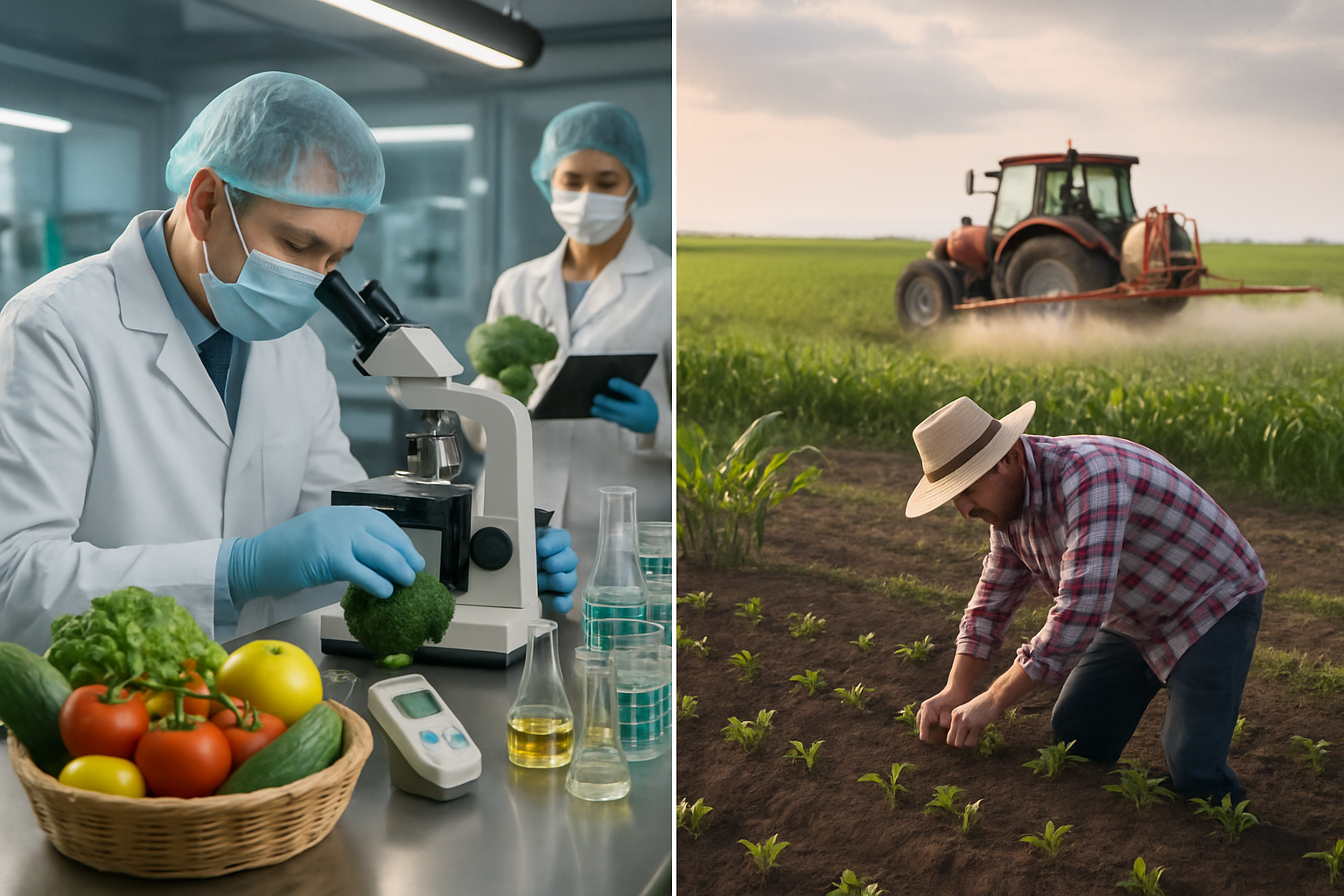
Multiple food safety crises and agricultural disease outbreaks are simultaneously challenging international response systems across five countries, as Cyprus battles foot-and-mouth disease, Denmark faces extreme avian influenza levels, and Senegal investigates illegal meat sales, all occurring during the 19th consecutive month of temperatures exceeding 1.5°C above pre-industrial levels.
The convergence of these crises represents one of the most serious tests of global food security infrastructure since the beginning of 2026, with veterinary officials warning that delays in implementing containment measures are exacerbating disease spread and threatening agricultural trade relationships worth billions of dollars.
Cyprus Foot-and-Mouth Crisis Escalates
In Cyprus, the foot-and-mouth disease outbreak has reached a critical juncture as veterinary officials report that farmer resistance to culling procedures is undermining containment efforts. Senior Veterinary Services officer Sotiria Grigoriadou delivered a stark warning that "we cannot save the tree and lose the forest," emphasizing that delays in animal culling at infected units are making the outbreak worse.
The crisis has now affected 38 farms, with authorities having already culled approximately 14,000 sheep and goats and 1,100 cattle. An additional 10,000 animals are expected to be destroyed as part of the response effort. The situation has become so tense that several veterinary officials have been injured during confrontations while performing their duties, with at least two filing police complaints following incidents involving violent behavior from farmers.
"We cannot save the tree and lose the forest. Without strict compliance with the measures already announced, it is impossible to estimate when normal conditions will return to the livestock sector."
— Sotiria Grigoriadou, Senior Veterinary Services Officer
The outbreak has prompted an unprecedented diplomatic response, with Turkish Cypriot leader Tufan Erhurman proposing the creation of a bicommunal technical committee on halloumi cheese production. This initiative aims to manage risks affecting livestock production and protect the future of the island's most important dairy product, which represents a significant portion of Cyprus's agricultural exports.
Denmark's Extreme Avian Influenza Alert
Denmark is experiencing what authorities describe as "extremely high" levels of avian influenza infection, adding to the mounting pressure on European agricultural systems. While specific details of the outbreak remain limited, the designation of "extreme" infection levels indicates a significant threat to both poultry operations and public health monitoring systems.
This development follows a pattern of avian influenza outbreaks across Europe that have challenged traditional disease management approaches and highlighted the vulnerability of modern agricultural systems to rapidly spreading pathogens.
Senegal Food Safety Investigation
In Senegal, authorities have arrested Josep Adjinankou Godwin, a 26-year-old man suspected of selling cat meat to unsuspecting consumers in the Corniche-Ouest area of Dakar. The case represents a particularly disturbing example of food safety violations that have become increasingly common across multiple continents during 2026.
The suspect, who was reportedly well-known for his food preparations, was arrested by police following complaints from the public. This case highlights the ongoing challenges facing food safety authorities in detecting and preventing the sale of contaminated or misrepresented food products.
Global Pattern of Agricultural Vulnerability
These simultaneous crises are occurring within the broader context of unprecedented environmental stress. January 2026 marked the hottest month in recorded history, representing the 19th consecutive month that global temperatures have exceeded 1.5°C above pre-industrial levels. This sustained warming is creating optimal conditions for pathogen growth while disrupting traditional preservation methods and agricultural cycles.
The crisis builds upon earlier food safety challenges throughout 2026, including the European infant formula contamination that affected more than 36 infants across multiple countries. Cereulide toxin from Bacillus cereus bacteria contaminated products from major manufacturers including Nestlé and Danone, demonstrating that even sophisticated industrial food processing systems remain vulnerable to contamination.
International Response Mechanisms Under Strain
The simultaneous nature of these crises is testing international coordination mechanisms in unprecedented ways. The European Commission has been actively involved in providing support to Cyprus, including the previous provision of 500,000 foot-and-mouth disease vaccine doses to areas outside effective control. However, the current outbreak in government-controlled areas represents a new challenge requiring enhanced biosecurity measures and international cooperation.
Food safety agencies across Europe are developing standardized protocols and coordinated early warning systems to prevent cross-border contamination. The European Food Safety Authority (EFSA) has revised safety thresholds and is implementing enhanced molecular testing protocols designed to detect heat-stable toxins that survive conventional pasteurization processes.
Economic and Social Impact
The economic implications of these crises extend far beyond immediate agricultural losses. Cyprus's disease-free status, crucial for agricultural exports and the halloumi industry which represents 80% of the island's milk production, faces unprecedented threats. The tourism sector is also expressing concerns about potential restrictions ahead of the peak season.
Consumer confidence in multinational food corporations continues to decline, with measurable shifts toward local sourcing and simplified supply chains. Insurance costs for food manufacturers are mounting, while mandatory investments in molecular testing infrastructure are becoming essential for maintaining market access.
Technology and Traditional Knowledge Integration
Successful responses to these crises are demonstrating the importance of integrating cutting-edge technology with traditional agricultural and food safety knowledge. Enhanced surveillance systems using advanced diagnostics and real-time data transmission are being combined with community-based management approaches and traditional ecological knowledge.
Social media platforms are emerging as powerful enforcement tools, with viral videos exposing food safety violations accelerating regulatory responses. This democratization of food safety oversight is empowering consumer participation in quality control while placing additional pressure on regulatory agencies to respond rapidly to emerging threats.
Climate Change as a Threat Multiplier
Climate change is functioning as a threat multiplier, exacerbating existing vulnerabilities and creating new pathways for disease transmission and food contamination. The sustained global warming is allowing pathogens that typically peak at different times to co-circulate, overwhelming health and veterinary systems designed for sequential rather than simultaneous challenges.
Traditional seasonal disease patterns are being disrupted, forcing rapid adaptation of veterinary and food safety systems from historical approaches to climate-responsive frameworks. This includes enhanced monitoring of wildlife populations, adaptation of storage and transportation protocols, and development of climate-resilient agricultural practices.
Prevention-First Transformation
Industry experts are identifying 2026 as a critical transformation turning point, requiring a fundamental shift from reactive crisis management to prevention-focused approaches. Countries implementing comprehensive prevention programs are reporting better public health outcomes, enhanced economic competitiveness, and improved community resilience.
The integration of traditional dietary wisdom with modern safety science is becoming increasingly crucial for developing scientifically sound, culturally appropriate approaches that balance food security with environmental sustainability during accelerating climate change.
International Cooperation Imperative
The transnational nature of these challenges demands unprecedented international cooperation. Ocean currents, atmospheric systems, and species migrations cross boundaries, making unilateral efforts insufficient. Success requires coordinated policy frameworks, shared monitoring systems, collaborative enforcement mechanisms, and innovative financing that recognizes the economic value of ecosystem services.
Despite funding constraints facing international organizations like the WHO, bilateral partnerships and regional collaboration networks continue to drive innovation through peer-to-peer knowledge sharing. This distributed cooperation model allows for flexible, culturally responsive approaches while maintaining evidence-based standards.
Critical Action Window
March 2026 represents a critical juncture for global food safety and agricultural disease management. The choices made in responding to these current crises will potentially determine food security trajectories for decades ahead. The environmental action window is narrowing as ecological systems approach critical thresholds that could trigger potentially irreversible changes affecting global food security, climate stability, and human settlements.
The tools, knowledge, and cooperation frameworks exist for comprehensive responses to these challenges, but success requires sustained political commitment, adequate funding, and enhanced coordination across multiple sectors. The integration of immediate crisis response with long-term resilience building is essential for maintaining stable and fair global food systems during this period of accelerating environmental change.
As these multiple crises continue to unfold simultaneously, they serve as a stark reminder of the interconnected nature of global food systems and the urgent need for coordinated international action to build resilient, equitable food security infrastructure capable of withstanding the mounting pressures of climate change and emerging health threats.