A deadly convergence of food safety failures is exposing critical vulnerabilities in global food systems, as health authorities across multiple continents grapple with toxic seafood poisoning, dangerous meat distribution networks, and systematic contamination incidents that have already claimed lives and affected dozens of consumers worldwide.
The latest crisis centers on the tragic death of 51-year-old food blogger Emma Amita, who died after consuming a poisonous "devil crab" while creating social media content. The incident, reported simultaneously by Latvian and Peruvian media, has generated intense debate about the intersection of social media culture and food safety, as influencers increasingly take extreme risks for viral content.
Fatal Social Media Food Challenge Claims Life
According to reports from multiple international sources, Emma Amita succumbed to severe toxicity after consuming what local authorities identified as an "indigo devil crab" - a highly venomous marine species known for its lethal properties. The incident occurred in the Philippines, where Amita was reportedly filming content for her social media channels.
"This tragic case demonstrates the dangerous intersection of social media culture with food safety," said Dr. Miguel Santos, a toxicologist at Manila General Hospital. "These marine species contain neurotoxins that can cause rapid organ failure, and no amount of preparation can make them safe for consumption."
The case has raised urgent questions about the responsibility of social media platforms in preventing dangerous content that could inspire copycat behavior. Food safety experts warn that the pursuit of viral content is driving increasingly risky behavior among influencers, particularly in the food and beverage sector.
Dangerous Meat Distribution Networks Exposed
Simultaneously, Egyptian health authorities have issued comprehensive warnings about dangerous meat consumption during Ramadan season, as increased demand creates opportunities for unscrupulous traders to distribute contaminated products. The warnings come as Egypt has already seized 26 tons of spoiled meat products earlier this year, highlighting systematic vulnerabilities in the country's food distribution networks.
Health experts emphasize that meat refreezing practices, particularly common during religious holidays when consumption patterns change dramatically, pose significant health risks if not properly managed. Dr. Samah Noah, a leading Egyptian food safety specialist, has issued detailed guidelines requiring strict temperature controls and time limits to maintain safety and nutritional value.
The Egyptian case reflects broader patterns observed across the Mediterranean region, where authorities in Algeria have also conducted major seizures of contaminated meat products, including 13+ quintals of beef organs and sheep heads transported without proper hygiene standards.
Ongoing European Contamination Crisis
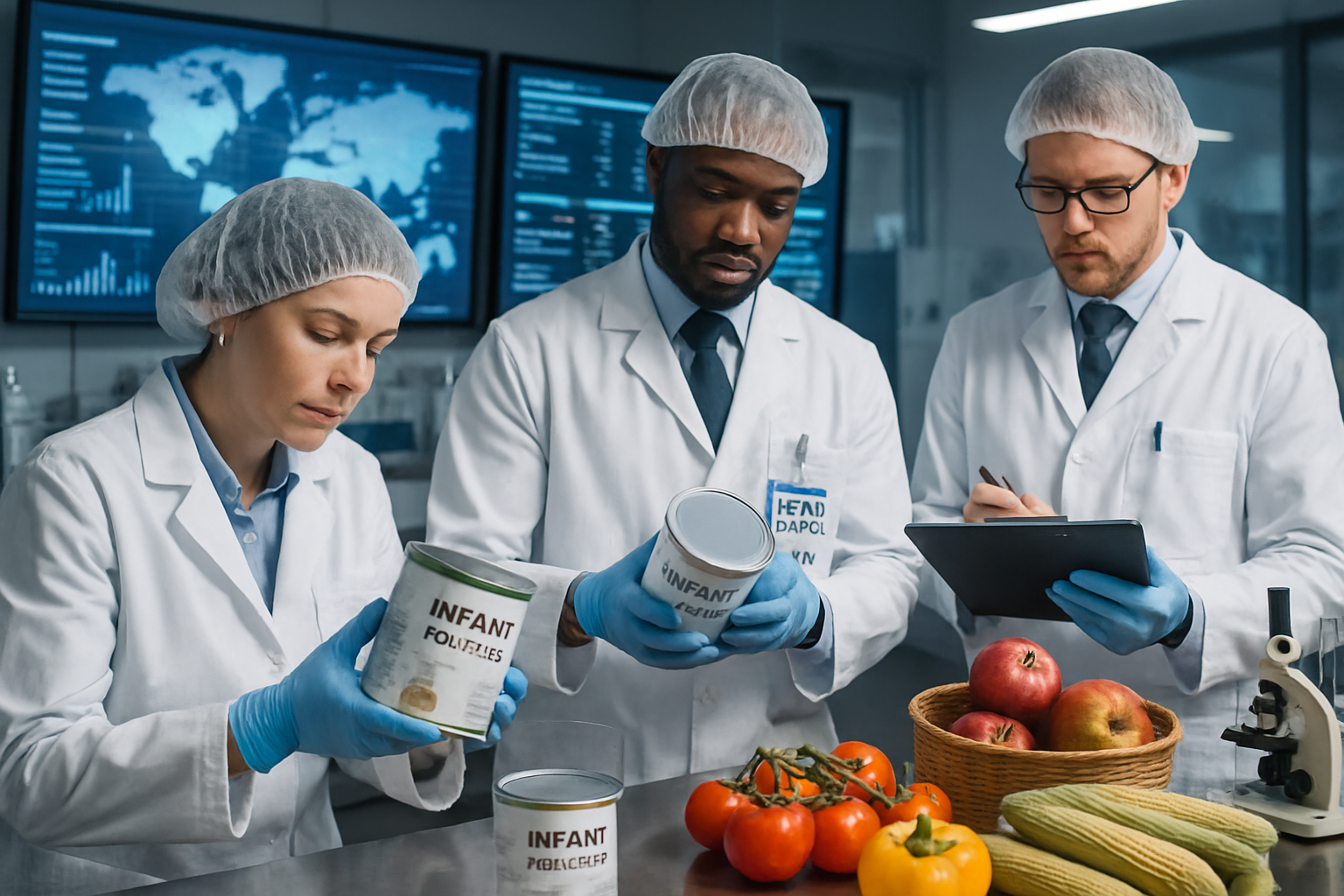
These incidents unfold against the backdrop of Europe's most severe food safety crisis in recent memory. The cereulide toxin contamination in infant formula has now affected more than 36 infants across the UK, France, Luxembourg, and Greece, with major brands including Nestlé and Danone products requiring immediate recall.
The heat-stable toxin, produced by Bacillus cereus bacteria, survives pasteurization and standard cooking processes, making it particularly dangerous for vulnerable populations. European Food Safety Authority (EFSA) officials have revised safety thresholds, acknowledging that previously acceptable contamination levels are now considered dangerous.
"We are witnessing a fundamental breakdown in industrial food processing protocols that were assumed to be fail-safe."
— Dr. Sarah Mitchell, EFSA Senior Safety Officer
The crisis has exposed critical gaps in quality control systems across Europe's sophisticated food manufacturing infrastructure, raising questions about oversight mechanisms that allowed contaminated products to reach vulnerable populations.
Climate Change Amplifying Food Safety Risks
Food safety experts increasingly point to climate change as an amplifying factor in these crises. January 2026 marked the 18th consecutive month where global temperatures exceeded 1.5°C above pre-industrial levels, creating optimal conditions for pathogen growth and complicating traditional food preservation methods.
Rising temperatures are affecting marine ecosystems, potentially increasing the toxicity of certain seafood species while disrupting traditional knowledge about seasonal safety patterns. Similarly, extreme weather events are stressing agricultural and livestock systems, creating opportunities for contamination to enter food supply chains.
"Climate change is fundamentally altering the risk landscape for food safety," explained Dr. James Richardson, a climate-food systems researcher. "Traditional safety protocols were designed for stable environmental conditions that no longer exist."
Social Media as Double-Edged Enforcement Tool
Paradoxically, while social media platforms are being criticized for enabling dangerous food challenges, they are simultaneously emerging as powerful enforcement tools for food safety violations. Viral videos have exposed restaurant food recycling violations in Malaysia, accelerated regulatory responses to contaminated meat distribution in Colombia, and increased public awareness of safety breaches across multiple countries.
This "crowd-sourced enforcement" is fundamentally changing how food safety violations are detected and reported, with regulatory agencies increasingly relying on public reports and social media evidence to identify problems before they spread.
Economic Impact and Consumer Response
The cascading food safety crises are having measurable economic impacts across affected regions. Consumer confidence in multinational food corporations is declining, with notable shifts toward local sourcing and simplified supply chains that offer greater transparency and traceability.
Insurance costs for food manufacturers are mounting as companies invest in enhanced molecular testing capabilities that can detect heat-stable toxins beyond conventional bacterial screening methods. The infant formula sector has been particularly affected, with potential long-term market share losses for major manufacturers.
International Cooperation Intensifies
The global scope of these incidents is driving unprecedented international cooperation in food safety enforcement. EFSA is developing standardized protocols and coordinated early warning systems to prevent cross-border contamination. African Continental Free Trade Agreement members are establishing unified agricultural standards to prevent the circulation of substandard products.
Bilateral partnerships are supplementing traditional multilateral frameworks, with countries sharing detection methodologies and enforcement strategies in real-time. This distributed cooperation model may represent the future of international health coordination amid shifting geopolitical relationships.
Prevention-First Transformation
Industry experts identify 2026 as a potential turning point toward prevention-focused approaches that integrate traditional dietary wisdom with modern safety science. Rather than reactive enforcement following contamination incidents, authorities are emphasizing proactive monitoring systems and comprehensive consumer education.
Finland's winter raspberry cultivation breakthrough and Nepal's successful orange farming demonstrate that simplified, local supply chains can reduce contamination risks while supporting community economic development. These success stories provide templates for food system resilience that prioritizes safety alongside sustainability.
Looking Ahead: Critical Choices
The convergence of toxic seafood poisoning, dangerous meat distribution, and systematic contamination failures represents more than isolated incidents - it signals a global food system under unprecedented stress. Climate change, social media culture, and industrial processing vulnerabilities are creating new risk patterns that existing safety frameworks struggle to address.
Success in addressing these challenges will require sustained political commitment, adequate funding for enhanced testing technologies, and unprecedented international cooperation. The choice between reactive crisis management and transformative food system adaptation may determine food safety outcomes for decades to come.
As food safety authorities worldwide grapple with these interconnected crises, the urgent need for comprehensive reform of global food systems has never been clearer. The lives lost and illnesses suffered serve as stark reminders that food safety is not merely a regulatory concern but a fundamental human right that demands immediate, coordinated action.