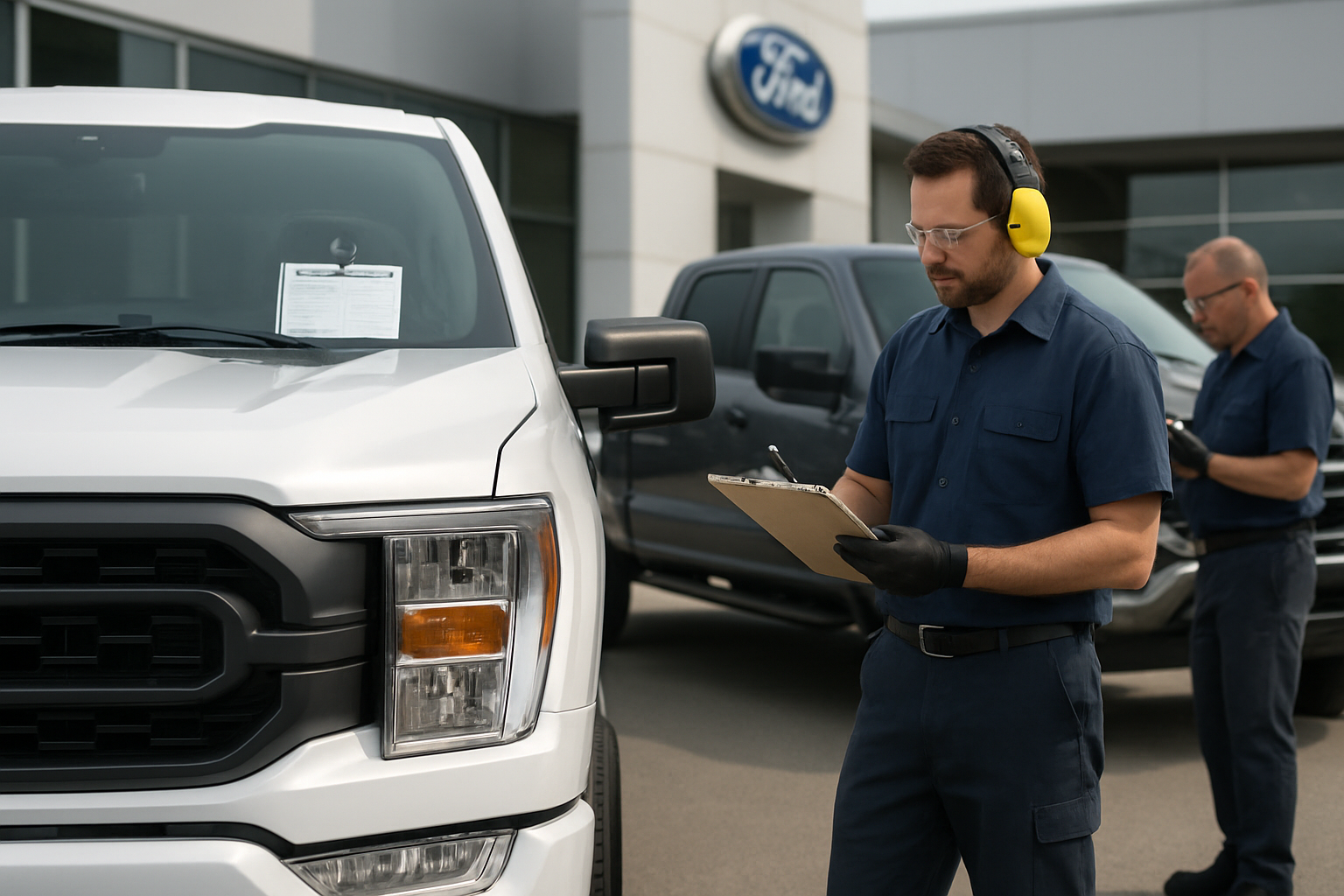
Ford Motor Company has announced sweeping vehicle safety recalls affecting over 1.5 million vehicles across North America, highlighting critical defects that pose significant safety risks to drivers and passengers.
The automotive giant is recalling nearly 1.39 million vehicles in the United States, according to filings published on the National Highway Traffic Safety Administration (NHTSA) website. Simultaneously, Ford is conducting a separate recall of 144,000 F-150 trucks in Canada due to a dangerous gearshift issue that can cause vehicles to unexpectedly change gears while in motion.
Canadian F-150 Recall Details
The Canadian recall specifically targets F-150 pickup trucks manufactured between 2015 and 2017 equipped with six-speed automatic transmissions. The safety issue involves unexpected downshifting while the vehicle is moving, which can create dangerous driving conditions and increase the risk of accidents.
According to Canadian authorities, the transmission defect can cause trucks to change gears unexpectedly during operation, potentially leading to loss of vehicle control. The issue has been identified as a serious safety concern that requires immediate attention from affected vehicle owners.
Ford is working closely with Transport Canada to ensure all affected F-150 owners are notified and can schedule necessary repairs at authorized Ford dealerships across the country. The company has committed to providing free repairs for all vehicles covered under this recall.
US Recall Scope and Impact
The United States recall encompasses nearly 1.39 million Ford vehicles, representing one of the largest automotive recalls announced in 2026. While specific model details and defect descriptions from the NHTSA filing were not immediately available in the initial reports, the scale of the recall underscores the severity of the safety concerns identified.
This massive recall adds to the challenges facing the automotive industry during what experts describe as the most difficult year for vehicle safety since the COVID-19 pandemic. The industry has been grappling with supply chain disruptions, quality control issues, and increased regulatory scrutiny over safety standards.
Industry Context and Broader Safety Concerns
Ford's recalls come amid a broader automotive safety crisis that has affected multiple manufacturers throughout 2026. The industry has faced numerous challenges, including memory chip shortages that have increased safety system costs sixfold, creating additional pressure on quality control processes.
Recent automotive safety incidents have included Hyundai's recall of 69,060 SUVs due to seat defects, Volvo's recall of 40,000 EX30 vehicles for battery overheating issues, and various other safety-related recalls across the industry. These incidents have highlighted the complex challenges manufacturers face in maintaining safety standards while adapting to new technologies and supply chain constraints.
The automotive sector has been particularly affected by global supply chain disruptions, with China controlling 60% of critical materials production and 90% of refining capacity for essential components like lithium and rare earth elements. These constraints have created additional quality control challenges as manufacturers work to maintain production while ensuring safety standards.
Consumer Response and Safety Measures
Vehicle owners affected by these recalls are strongly advised to contact their nearest Ford dealership immediately to schedule inspection and repair services. Ford has established comprehensive customer service protocols to handle the volume of recalls and ensure affected customers receive prompt attention.
The company is providing free repairs for all vehicles covered under both the US and Canadian recalls. Dealerships have been instructed to prioritize recall-related repairs and provide loaner vehicles when necessary to minimize inconvenience for customers.
Consumer safety experts emphasize the importance of taking recall notices seriously, particularly when they involve critical vehicle systems like transmissions that directly impact vehicle control and safety. The unexpected gear changes identified in the Canadian F-150 recall can create extremely dangerous driving conditions, especially in highway or emergency situations.
Regulatory Oversight and Investigation
Both NHTSA and Transport Canada are closely monitoring Ford's recall response to ensure compliance with safety regulations and adequate customer notification procedures. The agencies have the authority to expand recalls if additional safety concerns are identified or if the proposed remedies are deemed insufficient.
The recalls are part of ongoing regulatory efforts to address automotive safety challenges that have emerged during a year marked by unprecedented transportation safety concerns. Regulators have been particularly focused on transmission-related defects following several high-profile incidents involving unexpected vehicle behavior.
Industry observers note that the scale and timing of Ford's recalls demonstrate the company's commitment to addressing safety issues promptly, even when it involves significant financial costs and operational challenges. The automotive industry faces increasing pressure to maintain rigorous safety standards while managing complex supply chains and technological transitions.
Economic and Industry Implications
The financial impact of recalls of this magnitude can be substantial for automotive manufacturers, involving costs for parts, labor, customer communications, and potential liability issues. However, industry experts emphasize that proactive recall actions are essential for maintaining consumer confidence and preventing more serious safety incidents.
Ford's recall announcement comes during a challenging period for the automotive industry, which has been adapting to electric vehicle transitions, autonomous driving technology development, and changing consumer preferences while maintaining traditional vehicle safety and reliability standards.
The recalls also highlight the importance of robust quality control systems and supply chain management in automotive manufacturing. As vehicles become increasingly complex with advanced electronic systems and software-controlled components, manufacturers must adapt their safety protocols to address new types of potential failures.
Looking Forward
Ford's comprehensive recall response demonstrates the automotive industry's evolving approach to safety management, emphasizing proactive identification and resolution of potential safety issues before they lead to accidents or injuries. The company's cooperation with regulatory authorities and commitment to free repairs reflects industry best practices for recall management.
As the automotive industry continues to navigate technological transitions and supply chain challenges, recalls like these serve as important reminders of the critical importance of maintaining rigorous safety standards throughout the vehicle development and manufacturing process.
Vehicle owners are encouraged to stay informed about recall notices and to respond promptly when their vehicles are affected. The safety issues identified in Ford's current recalls underscore the potentially serious consequences of delaying recall-related repairs, particularly those involving critical vehicle systems that directly impact driver and passenger safety.