Former Algerian President and mujahid Liamine Zeroual has died, prompting a wave of condolences from Arab and international leaders who praised his legacy as both an independence war hero and a statesman who guided Algeria through one of its most turbulent periods in modern history.
The death of the 85-year-old former president has triggered an unprecedented diplomatic response, with messages of sympathy pouring in from across the Arab world and beyond. Current President Abdelmadjid Tebboune has received official condolences from Saudi Crown Prince Mohammed bin Salman, Palestinian President Mahmoud Abbas, Mauritanian President Mohamed Ould Sheikh Ghazouani, and Arab League Secretary-General Ahmed Aboul Gheit, among others.
Regional Leaders Honor Zeroual's Legacy
Saudi Crown Prince Mohammed bin Salman sent a telegram of condolence expressing his "sincere condolences and heartfelt sympathy" to President Tebboune and the family of the deceased. In his message, the Crown Prince prayed that God "encompass him with His vast mercy and forgiveness, and grant him paradise," while asking for divine protection for Algeria.
Palestinian President Mahmoud Abbas expressed "profound sadness and deep sympathy for this great loss," describing Zeroual as one of Algeria's "national and pan-Arab figures who left an immortal legacy in military, diplomatic, and leadership fields." The Palestinian leader emphasized the solidarity of the Palestinian state and people with Algeria during this difficult time.
Mauritanian President Mohamed Ould Sheikh Ghazouani conveyed his condolences in a formal telegram, stating he received "with great sadness and deep sorrow the news of the death of the former President of the People's Democratic Republic of Algeria, mujahid Liamine Zeroual." He extended his sympathy to the Algerian government and people, remembering Zeroual's "patriotic qualities and prominent role in serving his country."
International Recognition of Service
Arab League Secretary-General Ahmed Aboul Gheit sent his "sincere condolences" to President Tebboune, expressing his "heartfelt sympathy to the family of the great deceased and to the Algerian people in this painful ordeal." The message underscores the regional significance of Zeroual's passing and his contributions to Arab unity.
Beyond the Arab world, international leaders have also paid their respects. Burundi President Évariste Ndayishimiye offered his "sincere condolences" to President Tebboune, reflecting "the depth of relations between the two countries" and demonstrating the global respect for Zeroual's legacy.
A Life Dedicated to Algerian Independence
Born on July 3, 1941, in Batna, northeastern Algeria, Liamine Zeroual embodied the struggle for Algerian independence. At just 16 years old, he left his studies to join the National Liberation Army (ALN) in 1957, fighting against French colonial rule until independence in 1962. This service earned him the revered title of "mujahid" (freedom fighter), a designation that carries special significance in Algerian society.
Following independence, Zeroual pursued military training in the Soviet Union and later attended the French Military Academy in 1974. He served in various positions within the National People's Army, eventually commanding the military academy and rising through the ranks to become one of Algeria's most respected military leaders.
Presidential Leadership During Crisis
Zeroual's presidency from 1994 to 1999 coincided with Algeria's "Décennie Noire" (Black Decade), a period of civil conflict between government forces and Islamist insurgents that claimed an estimated 200,000 lives. His unique credentials as both an independence fighter and professional military officer provided him with the authority needed to navigate this unprecedented crisis while attempting to restore civilian governance.
During this turbulent period, Zeroual sought to balance military necessity with political reconciliation, working to guide Algeria through its darkest hour while maintaining the country's institutional integrity. His leadership during this time is remembered as crucial in preventing the complete collapse of the Algerian state.
Funeral Arrangements and National Mourning
According to officials from Batna province, the final viewing of Zeroual's body will take place on Monday at the provincial headquarters beginning at 9:00 AM. The former president will be laid to rest after afternoon prayers at the central cemetery in Bouzouran, allowing the nation to pay its final respects to one of its founding figures.
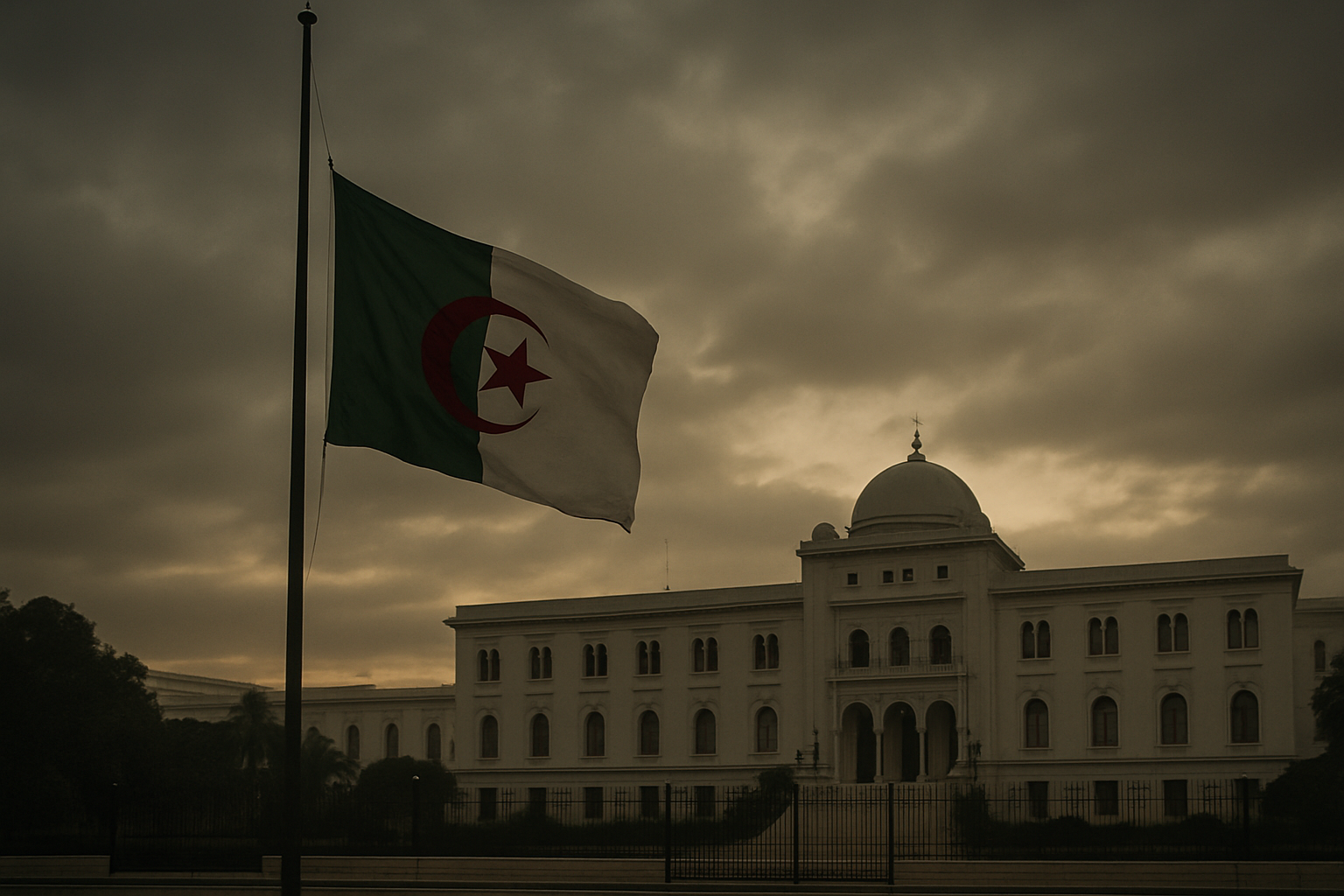
Algeria has declared three days of national mourning with flags at half-mast across all national territories and diplomatic missions abroad, reflecting the profound impact of Zeroual's death on the nation and its people.
Representing Algeria's Founding Generation
Zeroual's death marks the passing of another prominent member of Algeria's independence generation, those who fought to establish national sovereignty between 1954 and 1962. His career trajectory from revolutionary fighter to military officer to president embodies the complex evolution of post-independence Algerian leadership.
Political tributes have come from across the spectrum, with the National Liberation Front (FLN) describing him as among "Algeria's loyal men" from the first generation who devoted themselves to serving their country. The Future Front Party called his death a "national tragedy affecting the memory of the Algerian nation," while emphasizing his qualities of "honesty, loyalty, humility, and wisdom."
A Unifying Figure in Death
The outpouring of condolences from regional and international leaders demonstrates Zeroual's role as a unifying figure who transcended partisan divisions. His legacy connects Algeria's founding independence struggle with modern state development, representing a bridge between the revolutionary generation and contemporary democratic aspirations.
As Algeria and the broader Arab world mourn his passing, Liamine Zeroual is remembered not only as a military leader and president but as a symbol of the struggle for independence and national dignity. His death comes at a time when the region continues to grapple with questions of governance, sovereignty, and development—challenges he faced throughout his distinguished career of service to the Algerian people.
The remarkable diplomatic response to his death, spanning from Saudi Arabia to Palestine to Mauritania and beyond, serves as a testament to the respect he earned throughout his lifetime and the lasting impact of his contributions to Algeria and the broader Arab world.