Former Algerian President Liamine Zeroual, a revered independence war veteran who led the country during the turbulent 1990s, has died at age 85 and been laid to rest in his hometown of Batna, prompting an outpouring of international condolences and three days of national mourning.
Zeroual passed away on Saturday evening at Mohamed Seghir Nekkach Military Hospital in Algiers after a prolonged illness, according to official sources. In solemn ceremonies on Monday, his remains were interred at the central cemetery of Bouzouran in Batna province, where he was born on July 3, 1941.
A Life of Service to Algeria
Zeroual's death marks the passing of another prominent member of Algeria's founding independence generation. He earned the revered status of "mujahid" (freedom fighter) after leaving his studies at age 16 to join the National Liberation Army (ALN) in 1957, fighting French colonial rule until independence in 1962.
His military career continued after independence, with training in the Soviet Union and later at the French Military Academy in 1974. He served in various positions within the National People's Army, eventually commanding the military academy before his ascension to the presidency.
Most significantly, Zeroual served as Algeria's president from 1994 to 1999 during what became known as the "Black Decade" - a period of civil war between government forces and Islamist insurgents that claimed an estimated 200,000 lives. His unique credentials as both an independence fighter and professional military officer provided him with the authority to navigate this unprecedented crisis while attempting to restore civilian governance.
International Recognition and Condolences
The death of the former president prompted extensive international diplomatic responses, demonstrating his significance beyond Algeria's borders. Saudi Arabia's Crown Prince Mohammed bin Salman and King Salman bin Abdulaziz both sent official telegrams expressing "sincere condolences and heartfelt sympathy."
Palestinian Authority President Mahmoud Abbas described Zeroual as "one of Algeria's national and pan-Arab figures who left immortal legacy in military, diplomatic, and leadership fields," emphasizing Palestinian-Algerian solidarity.
"Algeria has lost one of its faithful men, known for his sincere patriotism and wisdom during a delicate period in our nation's history."
— National Liberation Front (FLN) Statement
The Arab League's Secretary-General Ahmed Aboul Gheit sent "sincere condolences" expressing "heartfelt sympathy for the great deceased and Algerian people." Additional condolences came from Mauritania's President Mohamed Ould Sheikh Ghazouani and Burundi's President Évariste Ndayishimiye, reflecting the depth of relations Zeroual had fostered during his career.
Domestic Tributes Cross Political Lines
Within Algeria, political tributes transcended partisan divisions, demonstrating Zeroual's unifying legacy. The National Liberation Front described him as among "Algeria's loyal men" from the first generation who devoted themselves to serving the country. The Future Front Party called his death a "national tragedy affecting the memory of the Algerian nation."
Even the nation's sporting community paid respects, with the Professional Football League postponing major matches including the Mouloudia Alger versus Union of the Capital derby as a mark of respect. Various government officials from provincial governors to ministers emphasized his service during delicate historical periods.
The Final Journey
The funeral arrangements reflected Zeroual's stature as both a national leader and a son of Batna. The final viewing took place Monday morning at the provincial headquarters in Batna, followed by burial after afternoon prayers at the Bouzouran central cemetery. Thousands of mourners from across Algeria gathered to pay their final respects to the former president.
Germany's embassy in Algeria joined the chorus of international condolences, stating "our hearts are with his family and relatives," reflecting the diplomatic relationships Zeroual had cultivated during his presidency and beyond.
Historical Legacy and Regional Context
Zeroual's death occurs during a period of broader North African reflection on post-independence trajectories and post-colonial state-building experiences. His career trajectory - from revolutionary to military officer to president - embodies the complex path of post-independence leadership development across the region.
The extensive Arab world diplomatic response demonstrates Zeroual's pan-Arab significance, connecting the Algerian independence struggle to broader regional liberation movements. His legacy bridges the revolutionary generation with modern state development aspirations, serving as a model for institutional continuity during periods of crisis.
Algeria's experiences during the 1990s under his presidency continue to inform contemporary debates about democratic governance, civil-military relations, and conflict resolution across North Africa and the broader Middle East region.
A Generation's End
With Zeroual's passing, Algeria mourns not just a former president but a symbol of the independence generation that fought to establish national sovereignty and worked to build the institutions of modern Algeria. His death represents the gradual transition from the founding generation of modern Algeria to new leadership faced with 21st-century challenges.
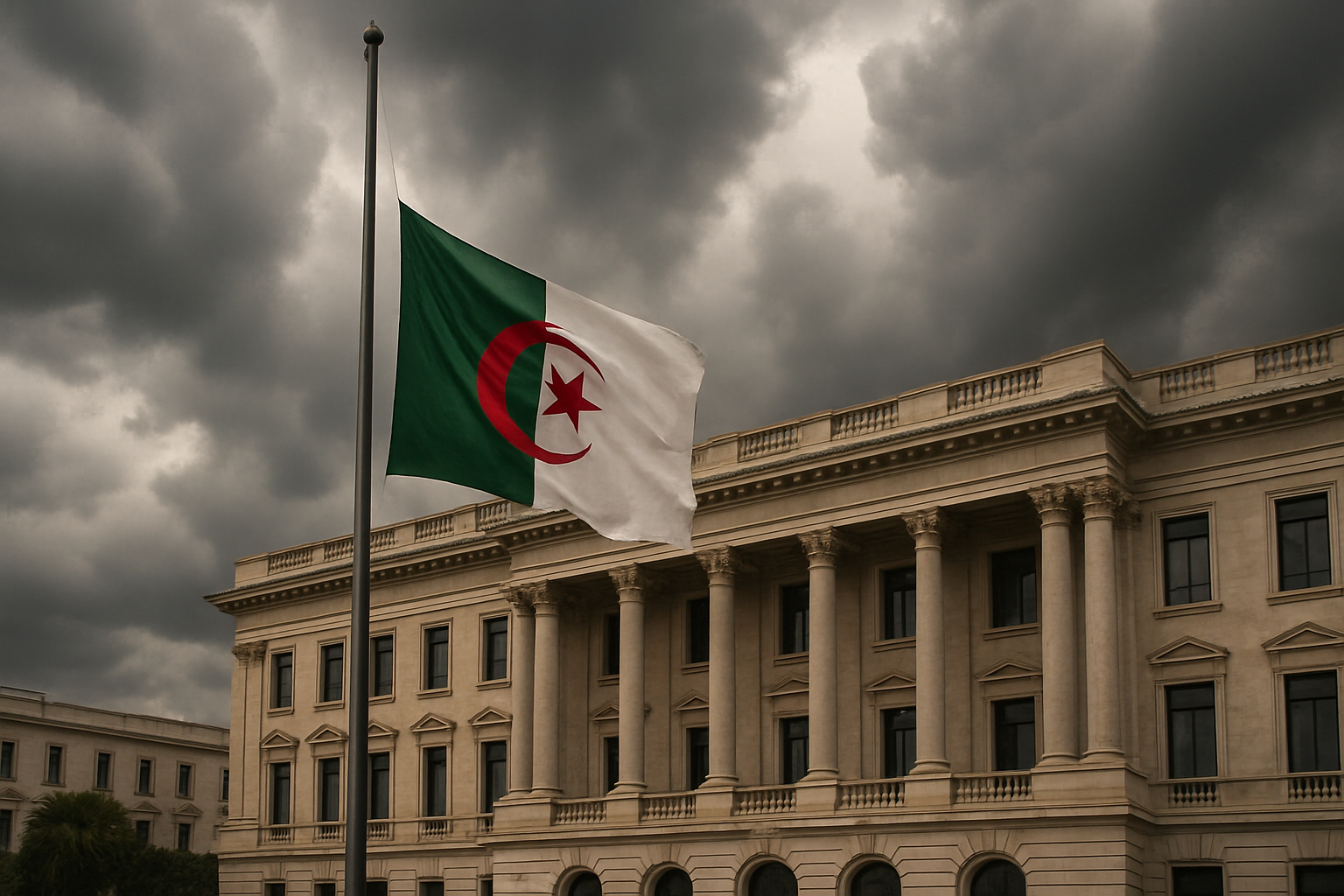
The three days of national mourning, with flags at half-mast across all territories and diplomatic missions abroad, acknowledges his dual legacy as both an independence fighter who helped birth the nation and a statesman who guided it through one of its most challenging periods.
As Algeria continues to evolve in the modern era, Zeroual's life serves as a reminder of the sacrifices made by the independence generation and the ongoing challenge of balancing revolutionary heritage with contemporary democratic aspirations. His legacy will undoubtedly continue to influence discussions about leadership, service, and national unity for generations to come.