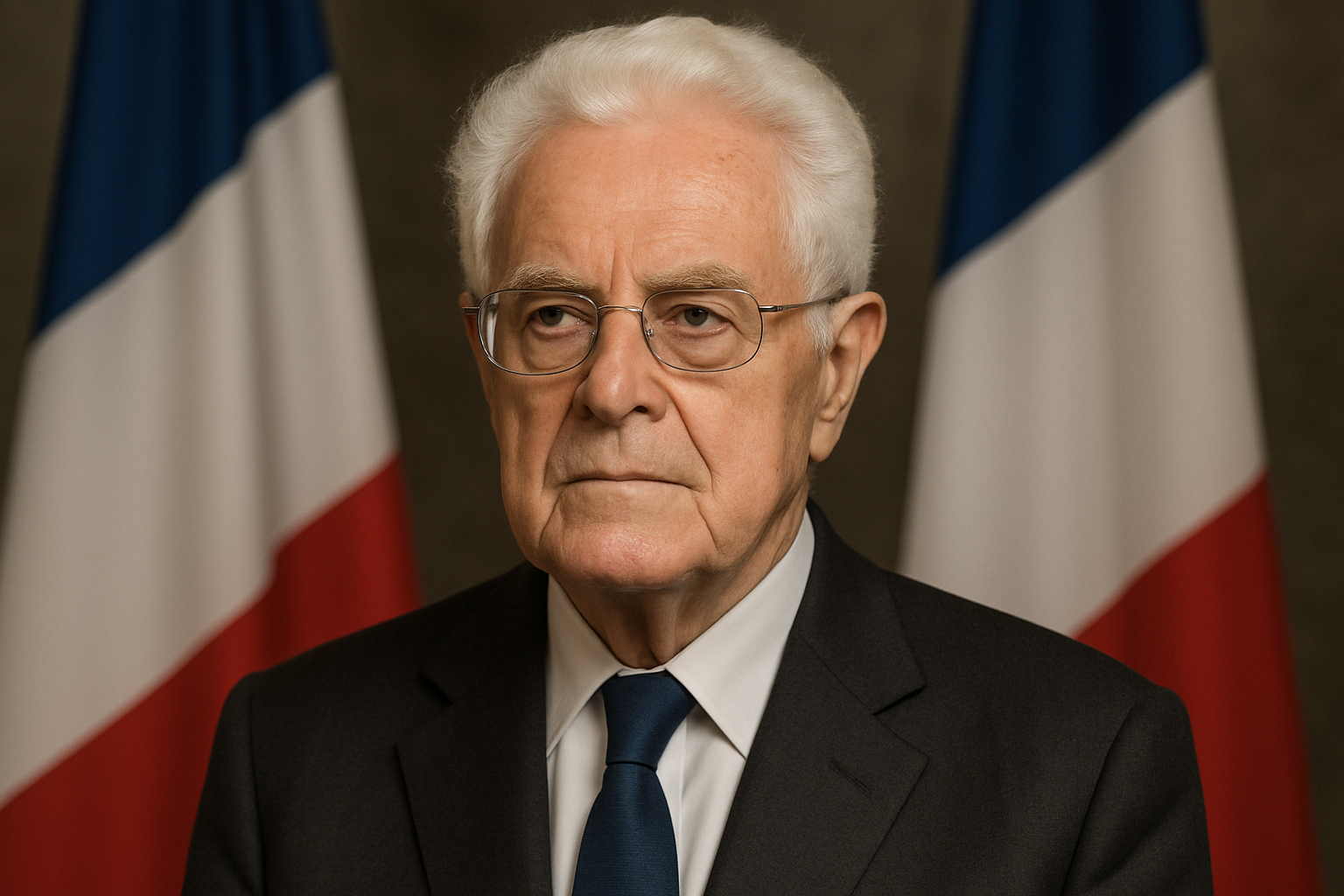
Former French Socialist Prime Minister Lionel Jospin, who led France from 1997 to 2002 during a period of economic growth and social reform, died Sunday at the age of 88, his family announced Monday.
Jospin, a towering figure of the French left who served as the longest-serving prime minister under the Fifth Republic's cohabitation system, passed away peacefully, according to family sources. His death marks the end of an era for French Socialist politics and removes one of the last major figures from the Mitterrand generation.
A Career Defined by Socialist Ideals
Born in 1937, Lionel Jospin embodied the intellectual Socialist tradition of France, serving in numerous high-profile positions throughout his distinguished career. As First Secretary of the Socialist Party, deputy, minister under François Mitterrand, and prime minister during cohabitation under President Jacques Chirac, Jospin left an indelible mark on French politics.
His most significant tenure came as prime minister from 1997 to 2002, when he led what became known as the "plural left" government during a period of cohabitation with conservative President Jacques Chirac. During this time, Jospin implemented some of France's most enduring social reforms.
The 35-Hour Work Week Legacy
Jospin's most lasting domestic achievement remains the introduction of the 35-hour work week, a revolutionary policy that reduced the standard French working week from 39 hours. The reform, implemented in 2000, was designed to combat unemployment by encouraging job sharing and improving work-life balance for French workers.
The policy became both celebrated and controversial, with supporters praising it as progressive social legislation that improved quality of life, while critics argued it hampered French economic competitiveness. Regardless of political perspective, the 35-hour week became synonymous with Jospin's pragmatic approach to Socialist governance.
"Jospin was a major figure of the Socialist left who occupied numerous positions throughout his career, from First Secretary of the PS to deputy, minister, and prime minister during cohabitation."
— Le Monde
Presidential Ambitions and Electoral Setbacks
Despite his success as prime minister, Jospin's presidential ambitions were twice thwarted in devastating fashion. His most shocking defeat came in the first round of the 2002 presidential election, when he was eliminated after finishing third behind Jacques Chirac and far-right candidate Jean-Marie Le Pen.
The result sent shockwaves through French politics and marked a turning point in the country's political landscape. Jospin's elimination allowed Le Pen to advance to the second round for the first time, fundamentally altering the dynamics of French electoral politics and contributing to the rise of the far-right as a permanent fixture in French political discourse.
He had previously run for president in 1995, where he reached the second round but lost to Jacques Chirac. These electoral defeats, particularly the 2002 elimination, were described by French media as defining a "destiny struck by lightning" for a politician who seemed destined for the Élysée Palace.
Economic Stewardship and European Vision
During his time as prime minister, Jospin presided over a period of sustained economic growth and declining unemployment. His government successfully navigated France's transition to the euro while maintaining the country's commitment to European integration.
His economic policies balanced traditional Socialist concerns for workers' rights and social protection with the demands of European monetary union and global competition. This pragmatic approach earned him respect across the political spectrum, even from conservative opponents who acknowledged his competent economic stewardship.
International Recognition and Context
Jospin's death comes at a time of significant political upheaval in France, with the country recently completing municipal elections amid broader questions about the direction of French democracy. His passing removes a figure who represented a more consensual era of French politics, before the rise of populist movements and increased political polarization.
International reactions have poured in from across Europe and beyond, recognizing Jospin's contributions to French democracy and European integration. His death coincides with ongoing debates about the future of Socialist politics in France and across Europe, where traditional center-left parties face challenges from both populist movements and changing voter preferences.
A Complex Political Legacy
Beyond domestic policy, Jospin's government was marked by significant international challenges, including France's role in NATO operations in the Balkans and the country's response to the September 11, 2001 terrorist attacks in the United States. His handling of these crises demonstrated his capacity for statesmanship during turbulent times.
His political philosophy combined traditional Socialist values with pragmatic governance, earning him the respect of even his political opponents. He was known for his intellectual approach to politics, his careful consideration of policy implications, and his commitment to democratic principles.
The End of an Era
Jospin's death represents the passing of a generation of French politicians who came of age during the Mitterrand era and helped shape modern France. His contributions to French social policy, particularly the 35-hour work week, continue to influence debates about work, leisure, and economic policy not just in France but across Europe.
As France continues to grapple with economic challenges, social tensions, and questions about its role in Europe and the world, Jospin's legacy serves as a reminder of a time when pragmatic, principled leadership could bridge ideological divides and achieve lasting social reforms.
Funeral arrangements have not yet been announced, but it is expected that current and former French leaders will pay their respects to a politician who, despite electoral disappointments, left a profound mark on French society through his years of dedicated public service.