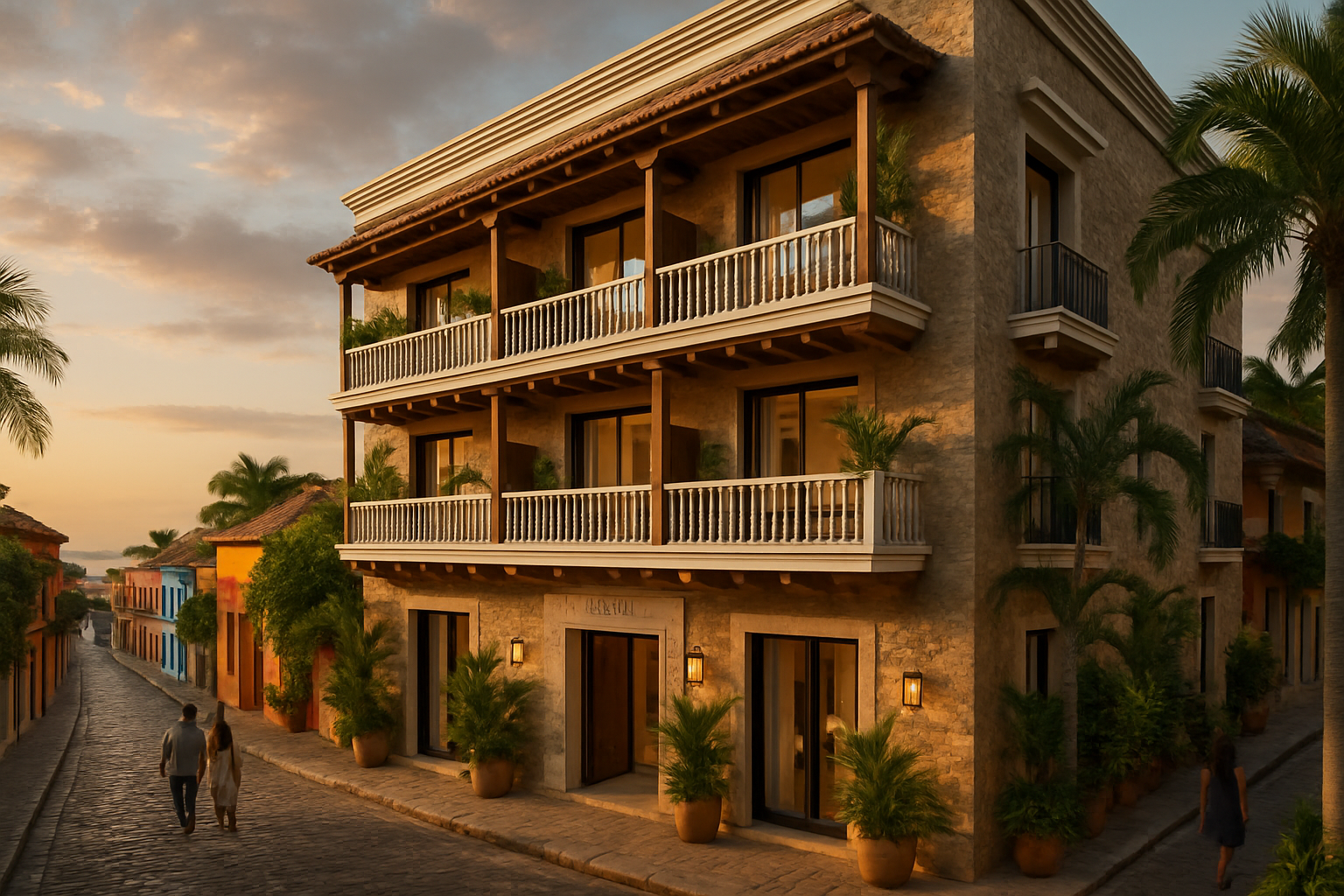
Four Seasons Hotels and Resorts has officially opened its first property in Colombia with a sophisticated new hotel complex in Cartagena's historic Getsemaní district, marking a pivotal moment for the nation's luxury tourism sector and cementing the Caribbean coastal city's position as a premier international destination.
The new Four Seasons Cartagena represents the culmination of years of strategic planning and investment, combining the brand's legendary hospitality standards with Colombia's rich cultural heritage. Located in the vibrant Getsemaní neighborhood, the property seamlessly integrates contemporary design elements with the district's four-century-old colonial architecture, creating an authentic luxury experience that respects the area's historical significance.
Strategic Positioning in Latin American Market
This landmark opening positions Colombia as a serious contender in the Latin American luxury hospitality market, historically dominated by established destinations like Mexico's Riviera Maya and Costa Rica's Peninsula Papagayo. The investment signals growing international confidence in Colombia's tourism infrastructure and political stability, particularly following the country's successful peace process and enhanced security measures in major tourist areas.
"The opening of Four Seasons in Cartagena represents more than just another luxury hotel—it's a validation of Colombia's transformation into a world-class destination," said tourism industry analyst Maria Elena Rodriguez. "This investment will create a ripple effect, attracting other premium brands and elevating service standards across the entire region."
Getsemaní District Renaissance
The choice of Getsemaní as the hotel's location reflects a broader urban renewal trend transforming this historically working-class neighborhood into one of Cartagena's most dynamic cultural districts. Once considered outside the main tourist circuit centered on the walled Old City, Getsemaní has emerged as a hub for authentic local culture, featuring vibrant street art, innovative restaurants, and boutique accommodations.
The Four Seasons property carefully preserves the neighborhood's architectural integrity while introducing premium amenities that appeal to luxury travelers. The hotel's design philosophy emphasizes the integration of heritage preservation with contemporary comfort, featuring locally sourced materials, traditional Colombian craftsmanship, and modern sustainability technologies.
"We've created a property that honors Cartagena's incredible history while providing the sophisticated amenities our global guests expect. This isn't just about luxury—it's about creating meaningful connections between visitors and Colombian culture."
— James Harrison, General Manager, Four Seasons Cartagena
Economic Impact and Regional Development
The Four Seasons investment extends far beyond the immediate hospitality sector, generating significant economic multiplier effects throughout the Caribbean coast region. The project has created over 300 permanent positions, ranging from management roles to specialized service positions, with extensive training programs ensuring local staff meet Four Seasons' exacting standards.
Local suppliers have benefited substantially from the hotel's commitment to sourcing Colombian products and services. The property's restaurants feature extensive menus highlighting regional ingredients and traditional cooking techniques, supporting local farmers, fishermen, and artisanal food producers throughout the Bolívar Department.
Construction and pre-opening phases injected an estimated $85 million into the local economy, supporting dozens of Colombian contractors, architects, and specialized craftspeople. This investment pattern aligns with broader tourism infrastructure developments across Colombia's Caribbean coast, where the government has prioritized sustainable tourism growth as a key economic development strategy.
Global Tourism Industry Context
The Cartagena opening occurs during a period of unprecedented global tourism transformation, characterized by travelers increasingly seeking authentic cultural experiences over standardized luxury offerings. This shift particularly benefits destinations like Colombia, which offer rich cultural heritage, biodiversity, and emerging luxury infrastructure without the overtourism challenges affecting traditional Caribbean and Mediterranean destinations.
Recent industry data indicates that luxury travelers are diversifying destination choices, with 47% expressing interest in exploring previously unconsidered markets. Colombia's strategic positioning between North and South America, combined with improved connectivity through expanded airline partnerships, positions the country to capture significant market share from this trend.
The Four Seasons brand's entry validates Colombia's luxury tourism credentials, potentially accelerating interest from other premium hospitality brands. Industry observers note that prestigious brand presence often creates clustering effects, with luxury hotel companies preferring to operate in markets where competitors have established successful operations.
Cultural Heritage Integration
One of the most significant aspects of the Four Seasons Cartagena project is its sophisticated approach to cultural integration. Rather than creating an isolated luxury enclave, the property actively connects guests with authentic Colombian experiences through partnerships with local cultural institutions, artisans, and community organizations.
The hotel's cultural concierge program offers exclusive access to experiences unavailable through traditional tour operators, including private cooking classes with renowned local chefs, guided explorations of Cartagena's UNESCO World Heritage sites with historians, and intimate musical performances featuring traditional Colombian genres like cumbia and vallenato.
Artwork throughout the property showcases Colombian artists, with rotating exhibitions highlighting both established and emerging talents. This commitment to cultural authenticity extends to the hotel's architecture, which incorporates traditional design elements like interior courtyards, clay tile roofing, and locally quarried stone in thoroughly contemporary interpretations.
Sustainability and Environmental Responsibility
Environmental sustainability represents a core component of the Four Seasons Cartagena's operational philosophy, addressing growing traveler concerns about tourism's environmental impact. The property incorporates advanced water conservation systems, solar energy generation, and waste reduction programs that exceed Colombian environmental standards.
The hotel's landscaping exclusively features native Colombian plants, reducing water consumption while supporting local biodiversity. Kitchen operations prioritize locally sourced ingredients, reducing transportation-related carbon emissions while supporting regional agricultural communities.
Partnerships with local environmental organizations enable guests to participate in coral reef restoration projects, sea turtle conservation efforts, and mangrove reforestation initiatives in the nearby Ciénaga Grande de Santa Marta, one of Colombia's most important coastal ecosystems.
Regional Tourism Development Implications
The Four Seasons investment signals broader shifts in Caribbean tourism patterns, with travelers increasingly seeking alternatives to traditional beach destinations facing overcrowding and environmental stress. Colombia's combination of pristine coastal areas, rich cultural heritage, and improving infrastructure positions the country as a compelling alternative to more saturated markets.
Government tourism officials view the Four Seasons opening as validation of their strategic tourism development plan, which emphasizes quality over quantity growth. This approach prioritizes high-value visitors who contribute significantly to local economies while maintaining sustainable visitor volumes that protect environmental and cultural resources.
The success of the Cartagena property could catalyze additional Four Seasons developments in other Colombian destinations, with industry sources suggesting the company is evaluating opportunities in Medellín's innovation district and along the Pacific coast near ecological reserves.
Competitive Landscape and Market Positioning
Four Seasons enters a competitive but underdeveloped luxury hospitality market in Colombia. While Cartagena hosts several boutique luxury properties, the Four Seasons represents the first truly international luxury brand with global distribution networks and established reputation among high-end leisure and business travelers.
This market positioning provides significant competitive advantages, including access to Four Seasons' global loyalty program, international sales and marketing capabilities, and operational expertise refined across hundreds of properties worldwide. The brand's reputation for exceptional service creates immediate credibility among luxury travelers who might otherwise overlook emerging destinations.
Local luxury hotels benefit from Four Seasons' presence through elevated market visibility and increased overall destination appeal. Industry analysts predict a "rising tide" effect, where successful luxury hotel operations improve the entire destination's reputation and attract additional high-value visitors.
Future Outlook and Industry Impact
The Four Seasons Cartagena opening represents a watershed moment for Colombian tourism, potentially accelerating the country's evolution from an emerging destination to an established luxury market. The investment provides a compelling case study for other international hospitality brands evaluating expansion into Latin American markets.
Success metrics will extend beyond traditional occupancy and revenue indicators to include cultural impact, environmental performance, and community benefit measurements. Four Seasons' commitment to comprehensive stakeholder engagement suggests a sustainable development model that could influence hospitality industry practices throughout the region.
As global tourism continues recovering from pandemic disruptions while adapting to changing traveler preferences, the Four Seasons Cartagena investment demonstrates how luxury hospitality can successfully balance commercial objectives with cultural authenticity and environmental responsibility.
The property's opening marks not just the arrival of a prestigious hotel brand, but the maturation of Colombia as a sophisticated international destination capable of delivering world-class experiences while preserving its unique cultural identity. This achievement positions Colombia for sustained growth in the increasingly competitive global luxury tourism market.