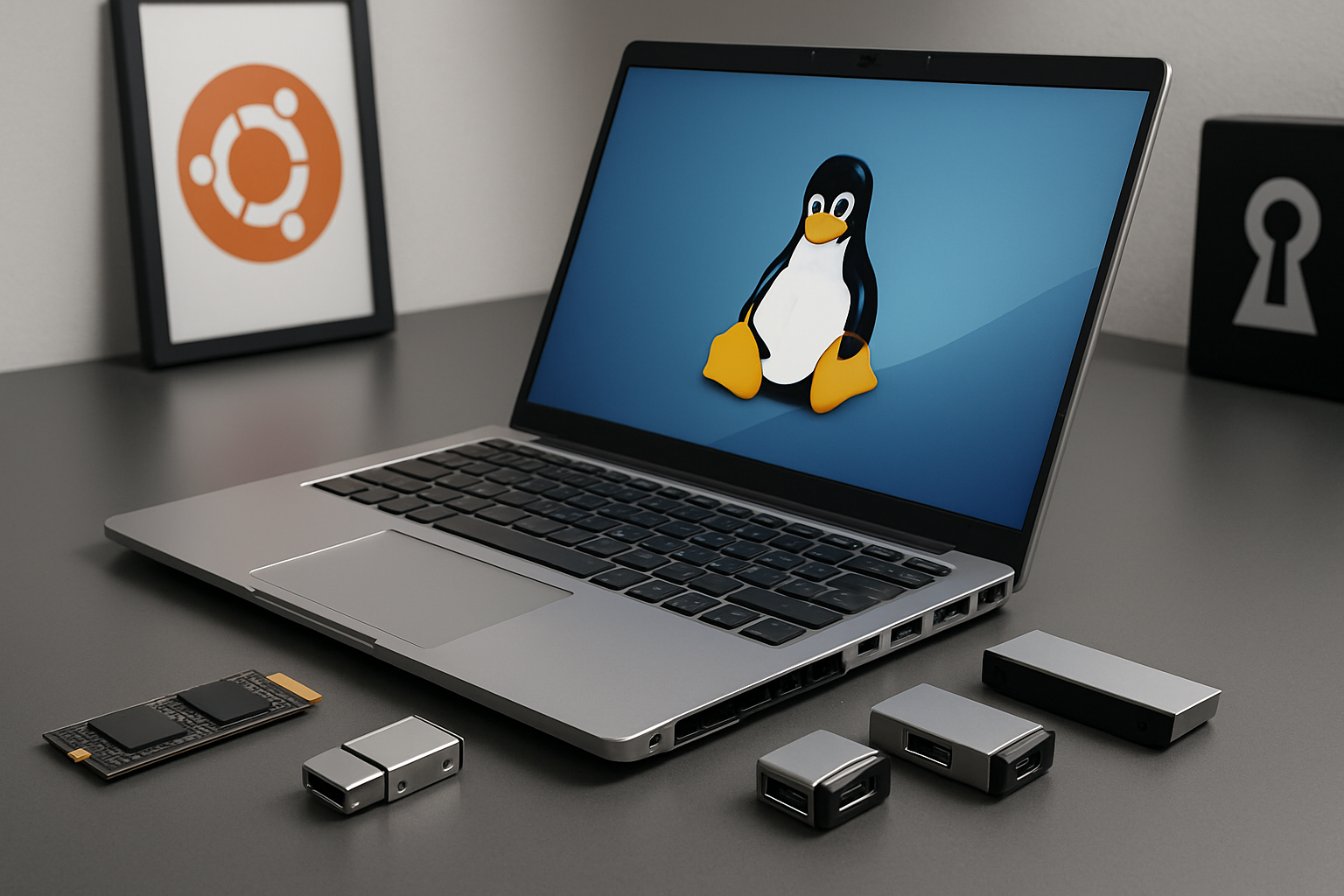
Framework Computer has unveiled its highly anticipated Laptop 13 Pro, positioning the device as a "MacBook Pro for Linux users" with significant improvements in battery life, performance, and display quality while maintaining the company's signature modular design philosophy.
The new generation of Framework's modular laptop represents a major evolution in the company's approach to sustainable computing, addressing three critical areas where previous models received criticism: battery endurance, processing power, and visual quality. The timing couldn't be more strategic, as the global technology industry grapples with electronic waste concerns and consumers increasingly demand devices that can be repaired rather than replaced.
Enhanced Performance and Efficiency
According to the company's Austrian announcement, the Laptop 13 Pro delivers "erheblich verbesserter Akkulaufzeit, Performance und Display" (significantly improved battery life, performance and display). This represents Framework's response to user feedback that previous generations, while innovative in their modularity, lagged behind traditional laptops in these fundamental areas.
The performance improvements come at a crucial time when Linux adoption is surging among developers, researchers, and privacy-conscious consumers. Unlike many traditional laptop manufacturers who primarily optimize for Windows, Framework has designed the Laptop 13 Pro with Linux compatibility as a core consideration rather than an afterthought.
Modular Design Philosophy Evolves
Framework's modular approach remains the cornerstone of the Laptop 13 Pro's appeal, allowing users to upgrade components, swap ports, and extend the device's lifespan significantly beyond traditional laptops. The modular system includes:
- Interchangeable port modules for different connectivity needs
- Upgradeable RAM and storage components
- Replaceable battery and keyboard assemblies
- Modular display and motherboard options
This design philosophy directly challenges the industry trend toward sealed, non-repairable devices. As electronic waste becomes an increasingly urgent environmental concern, Framework's approach offers consumers a viable alternative that can evolve with their needs rather than requiring complete replacement.
Targeting the Linux Ecosystem
The designation as a "MacBook Pro for Linux users" reflects Framework's strategic positioning in a market segment long underserved by major manufacturers. While Apple's MacBook Pro dominates among creative professionals and developers who prefer macOS, and various Windows laptops compete for the mainstream market, high-quality Linux-optimized laptops have remained relatively scarce.
Framework's focus on Linux compatibility addresses several pain points that have historically plagued Linux laptop users:
- Driver compatibility issues with proprietary hardware
- Suboptimal power management reducing battery life
- Limited support for hardware features like fingerprint readers and advanced graphics
- Difficulty obtaining replacement parts for repairs
"The Linux community has long deserved hardware designed specifically for their needs rather than being treated as an afterthought."
— Framework Computer spokesperson
Sustainability at the Core
The environmental implications of Framework's approach extend far beyond individual consumer choices. The global electronics industry generates approximately 50 million tons of electronic waste annually, with laptops comprising a significant portion of this waste stream. Traditional laptops typically become obsolete due to single component failures, battery degradation, or modest performance limitations that don't justify the cost of professional repair.
Framework's modular design disrupts this cycle by enabling users to address specific issues without replacing entire devices. A failing battery becomes a 10-minute swap rather than a $200 repair or grounds for purchasing a new laptop. An outdated processor can be upgraded without discarding the display, keyboard, and case.
Market Timing and Industry Context
The Laptop 13 Pro launch comes as several broader industry trends converge to favor Framework's approach. Global supply chain disruptions have highlighted the vulnerability of just-in-time manufacturing models, while semiconductor shortages have increased awareness of the resources required for electronics production.
Simultaneously, right-to-repair legislation is gaining momentum in multiple jurisdictions, potentially creating regulatory tailwinds for companies offering user-serviceable devices. The European Union's recent initiatives requiring smartphone manufacturers to support battery replacement and longer software support timelines suggest similar requirements may extend to laptops.
Remote work trends, accelerated by the global pandemic, have also created demand for high-performance, reliable laptops that can serve as primary workstations rather than secondary devices. The Laptop 13 Pro's performance improvements position it to meet these elevated requirements while offering the flexibility to adapt to changing work environments.
Technical Specifications and Improvements
While specific technical specifications were not detailed in the initial announcement, Framework emphasized that the improvements address the most common user complaints about previous generations. The enhanced battery life likely results from more efficient processor selection and improved power management, critical factors for mobile professionals.
The display improvements suggest Framework has invested in higher-quality panels, potentially addressing color accuracy and brightness concerns that have limited previous models' appeal among creative professionals and users who demand premium visual experiences.
Performance enhancements likely encompass both processor upgrades and optimized thermal management, areas where modular designs have traditionally struggled to match the integrated cooling solutions of conventional laptops.
Challenges and Market Positioning
Despite its innovations, Framework faces significant challenges in competing with established manufacturers. The modular approach inevitably involves trade-offs in terms of device thickness, weight, and potentially cost compared to mass-produced, integrated designs.
Marketing to Linux users, while strategic, also limits the addressable market compared to Windows-focused manufacturers. However, this focused approach allows Framework to optimize specifically for this user base's preferences and requirements rather than attempting to serve all segments equally.
The company must also scale its support infrastructure and spare parts logistics to match user expectations shaped by larger manufacturers' resources. Long-term component availability becomes crucial when users expect to maintain devices for extended periods through modular upgrades.
Industry Implications
Framework's continued innovation in modular laptop design places pressure on traditional manufacturers to reconsider their approaches to sustainability and repairability. As environmental concerns increasingly influence purchasing decisions, companies may need to offer more repairable alternatives or risk losing environmentally conscious customers.
The Linux focus also highlights an underserved market segment that other manufacturers might choose to address more seriously. If Framework demonstrates sufficient demand exists for high-quality Linux-optimized laptops, competitors may develop their own offerings for this segment.
Future Prospects
The Laptop 13 Pro represents Framework's maturation from a promising startup to a company capable of delivering refined products that compete with established manufacturers on traditional metrics like performance and battery life while maintaining their modular advantages.
Success with the Laptop 13 Pro could establish Framework as a permanent fixture in the laptop market and validate modular design as a viable approach for mainstream users, not just environmental enthusiasts and tinkerers.
As sustainability becomes an increasingly important factor in technology purchasing decisions, Framework's approach may evolve from a niche alternative to a competitive necessity, forcing the entire industry to reconsider the relationship between performance, repairability, and environmental responsibility.