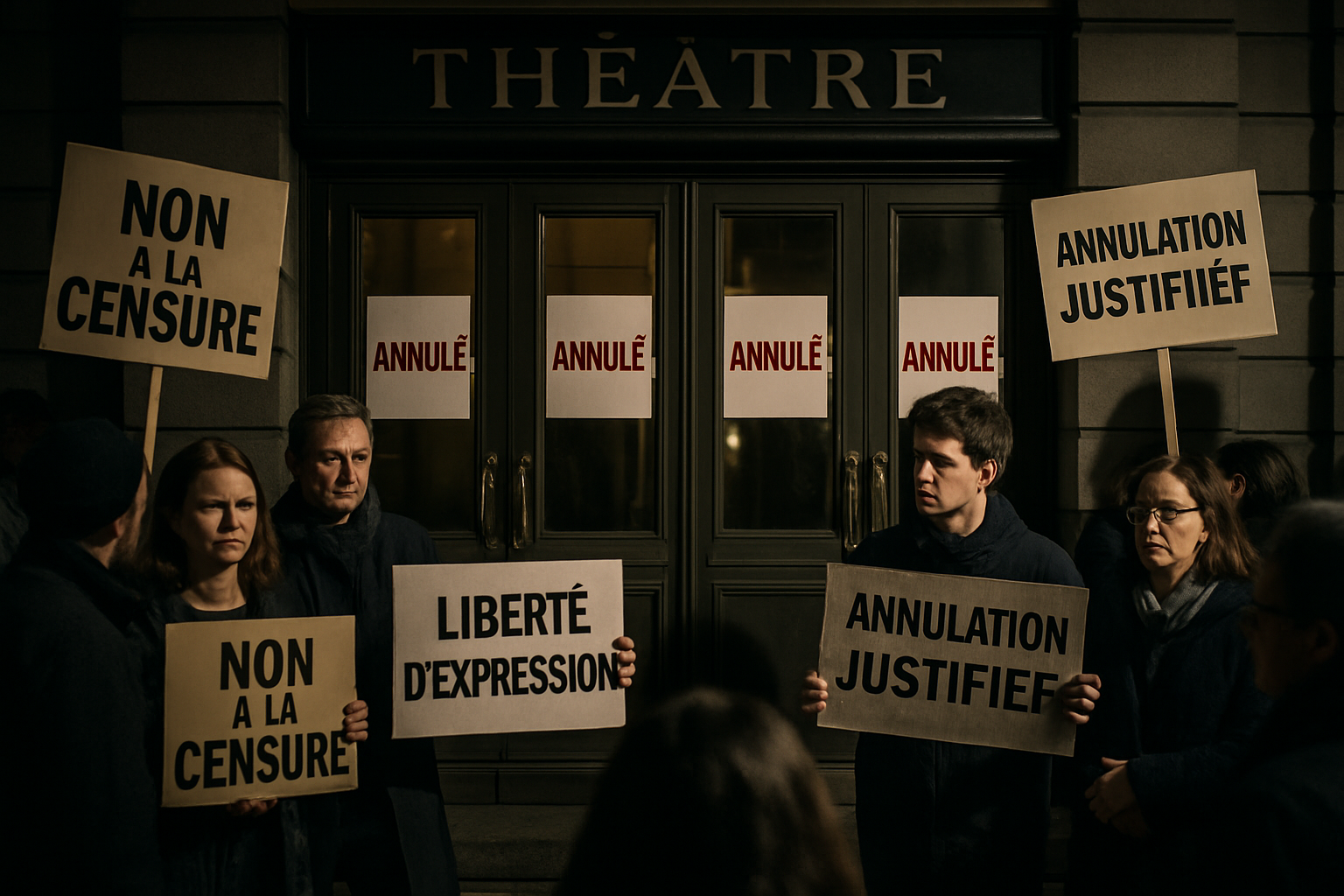
France confronts a deepening cultural censorship crisis as democratic institutions grapple with the boundaries between artistic freedom and moral responsibility, amid mounting domestic and international pressure campaigns targeting cultural venues.
The controversy has erupted on two fronts: Marseille's municipal opposition to a planned Kanye West concert citing the rapper's history of antisemitic statements, and unprecedented diplomatic interference by the Chinese consulate in Strasbourg attempting to pressure local theaters over Taiwan-related programming.
Marseille Rejects Kanye West Performance
The mayor of France's second-largest city declared Wednesday that Kanye West was "not welcome" in Marseille following the announcement of a planned June concert. The rejection comes amid growing concerns about the Grammy-winning artist's pattern of antisemitic rhetoric and controversial public statements.
Municipal authorities characterized West's previous comments as representing "unabashed Nazism," marking one of the strongest official rejections of a major international artist by a French city. The decision reflects broader French sensitivity to antisemitic expression, particularly given the country's complex historical relationship with Jewish persecution during World War II.
"We cannot allow our cultural venues to become platforms for hate speech disguised as entertainment."
— Marseille Municipal Authority
The controversy highlights ongoing debates about the responsibilities of cultural institutions in an era where artistic figures increasingly use their platforms for political expression. West's recent statements have already resulted in cancellations and boycotts across multiple countries, suggesting a coordinated international response to his rhetoric.
Chinese Diplomatic Pressure in Strasbourg
Simultaneously, the Chinese Consulate General in Strasbourg has intervened directly with local cultural institutions, demanding the cancellation of a Taiwan-themed theatrical performance at the Théâtre du Maillon. The diplomatic pressure represents an unprecedented attempt by foreign authorities to influence French cultural programming.
According to reporting by Mediapart, the consulate contacted both the City of Strasbourg and the theater directly, expressing strong disapproval of the Taiwan-related production. The intervention has sparked fierce debate about the sovereignty of French cultural institutions and the limits of diplomatic influence on domestic artistic expression.
The incident occurs against the backdrop of escalating tensions between China and Taiwan, with Beijing increasingly asserting pressure on international institutions to avoid recognizing Taiwan's distinct cultural and political identity. France maintains official diplomatic ties with China while supporting Taiwan's democratic development through cultural and economic exchanges.
Democratic Institutions Under Pressure
Both controversies expose the vulnerabilities of democratic cultural institutions when confronted with competing pressures from domestic political concerns and international diplomatic campaigns. French authorities find themselves navigating between protecting free expression and responding to legitimate concerns about hate speech and foreign interference.
The Marseille decision reflects French legal frameworks that criminalize hate speech and Holocaust denial, providing municipal authorities with grounds to reject events deemed potentially harmful to public order. However, critics argue that such rejections risk creating a slippery slope toward broader censorship of controversial artistic expression.
The Chinese consulate's intervention raises more fundamental questions about the integrity of French cultural sovereignty. Unlike domestic legal concerns about hate speech, the foreign pressure represents a direct challenge to France's ability to determine its own cultural programming without external interference.
Historical Context and International Implications
These incidents occur within a broader pattern of cultural and diplomatic tensions affecting European institutions. Recent memory from our investigation shows similar pressures affecting cultural events across multiple democracies, from Berlin Film Festival controversies to coordinated international responses to artistic programming deemed politically sensitive.
The French cases are particularly significant given the country's historical role as a champion of artistic freedom and cultural expression. France's resistance to both antisemitic rhetoric and foreign diplomatic interference will likely set precedents for how other European democracies respond to similar challenges.
"Cultural sovereignty is not negotiable. French institutions must remain free to program content based on artistic merit and legal compliance, not foreign political pressure."
— French Cultural Policy Expert
Institutional Responses and Policy Implications
The dual crisis has prompted renewed examination of France's cultural governance frameworks. Municipal authorities in Marseille have emphasized their legal obligations to prevent hate speech while maintaining that their decision was based on content concerns rather than broader censorship impulses.
In Strasbourg, local officials have resisted the Chinese pressure while working to maintain diplomatic relationships. The situation tests France's ability to balance its growing economic ties with China against its commitments to democratic values and cultural independence.
Cultural policy experts suggest that these incidents may accelerate discussions about strengthening legal protections for artistic institutions against both domestic political pressure and foreign diplomatic interference. Proposed reforms could include clearer guidelines for municipal authorities and enhanced protections for cultural programming decisions.
Broader Democratic Challenges
The French cultural controversies reflect broader challenges facing democratic societies in managing the intersection of artistic expression, political accountability, and international relations. As global connectivity increases, cultural institutions find themselves at the center of complex negotiations between local values, national policies, and international pressures.
The outcomes in both Marseille and Strasbourg will likely influence how other democratic nations address similar challenges. Success in maintaining institutional independence while addressing legitimate concerns about harmful content could provide templates for other countries facing comparable pressures.
Conversely, excessive accommodation of either domestic political pressure or foreign diplomatic interference could signal weakening democratic commitments to cultural freedom, potentially encouraging similar campaigns by other authoritarian regimes and domestic political movements.
Looking Forward
As these controversies continue to unfold, French cultural institutions face the challenge of articulating principled positions that protect both democratic values and artistic freedom. The resolution of these cases will test France's commitment to maintaining cultural sovereignty while responsibly addressing concerns about hate speech and foreign interference.
The international community is watching closely as France navigates these complex challenges. Success in finding balanced approaches could strengthen democratic resilience globally, while failure could encourage further attempts to instrumentalize cultural institutions for political purposes.
These incidents underscore the evolving nature of cultural diplomacy in an interconnected world, where artistic expression increasingly becomes a battleground for broader ideological and geopolitical conflicts. How France responds will help define the boundaries of acceptable pressure on cultural institutions in democratic societies.