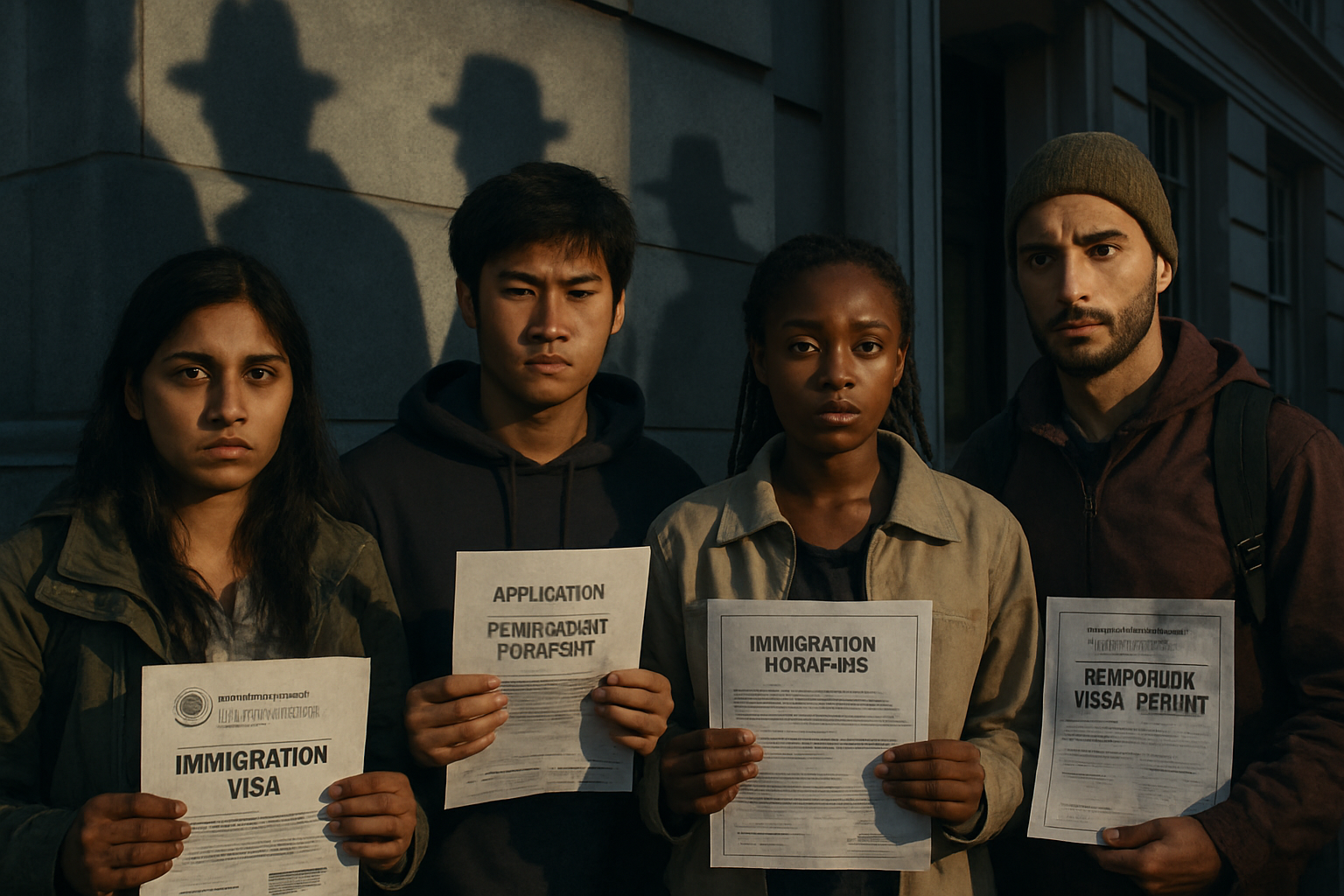
The elimination of Quebec's Programme de l'expérience québécoise (PEQ) three months ago by François Legault's government has shattered the dreams of thousands of immigrants and employers, creating a crisis that extends far beyond administrative inconvenience into dangerous criminal exploitation networks targeting vulnerable young foreign nationals.
The PEQ, once considered the royal road to permanent residence in the Canadian province, was unceremoniously abolished, leaving thousands of immigrants who had built their lives around this pathway suddenly without legal recourse. Employers who relied on the program to secure skilled workers now face critical staffing shortages, while prospective immigrants find themselves caught in a web of bureaucratic restrictions that criminal networks are increasingly exploiting.
Quebec's Restrictive Turn
The decision to eliminate the PEQ represents a dramatic shift in Quebec's immigration policy under Premier François Legault, whose Coalition Avenir Québec (CAQ) government has pursued increasingly restrictive immigration policies since taking power. The program, which allowed international students and temporary foreign workers to obtain permanent residence relatively quickly, was seen as essential for addressing Quebec's labor shortages and demographic challenges.
The sudden elimination has created immediate humanitarian concerns. Thousands of individuals who had structured their educational and career decisions around the PEQ pathway now face uncertain futures. Many had invested years in language learning, completing Quebec-specific education programs, and establishing community ties, only to find their legal pathway to permanent residence eliminated overnight.
"The impact goes beyond individual disappointment," explains immigration policy expert Marie-Claire Dubois from Université de Montréal. "We're seeing a systematic breakdown of the integration process that leaves people in legal limbo, making them increasingly vulnerable to exploitation."
Criminal Networks Exploit Desperation
Perhaps most troubling is the parallel crisis affecting young foreign nationals across France and other European countries, where vulnerable and resource-poor young exiles are falling into the hands of traffickers and criminal organizations. In Toulouse and other French cities, authorities describe a concerning rise in what they term "subsistence delinquency" among young migrants.
Without adequate care or legal pathways, these young people become what criminal justice experts describe as "renewable cannon fodder" for criminal networks. The phenomenon has been increasing since 2019, according to French authorities, with criminal organizations specifically targeting foreign minors who lack family support systems or legal documentation.
The connection between restrictive immigration policies and criminal exploitation has become increasingly clear to European law enforcement. When legal pathways are eliminated or severely restricted, vulnerable populations become easy targets for trafficking networks, drug operations, and other criminal enterprises that exploit their desperation and fear of deportation.
The European Context
France's experience mirrors broader European trends where tightening immigration controls have created dangerous vulnerabilities. Recent analysis shows that countries implementing emergency visa restrictions and enhanced border controls often see corresponding increases in human trafficking and criminal exploitation of migrants.
The systematic nature of this exploitation has drawn attention from international law enforcement agencies. Criminal networks have become increasingly sophisticated in their targeting of vulnerable foreign nationals, using their precarious legal status as leverage for coercion into criminal activities.
"These young people fall easily into the hands of traffickers because they have no resources and no legal alternatives."
— French Anti-Trafficking Official
European authorities have documented how criminal organizations specifically recruit among populations with uncertain immigration status, knowing that fear of deportation makes victims unlikely to report crimes or cooperate with law enforcement.
Economic and Social Consequences
The elimination of programs like the PEQ doesn't occur in isolation but as part of broader policy shifts affecting immigration across North America and Europe. Similar patterns emerge wherever countries simultaneously restrict legal immigration pathways while failing to address the underlying economic needs that drive migration.
In Quebec, employers who had relied on the PEQ to address critical labor shortages now face difficult choices. Many had structured their human resources planning around the program's availability, particularly in sectors like healthcare, technology, and skilled trades where Quebec faces significant worker shortages.
The broader economic implications extend beyond individual employer concerns. Quebec's aging population and declining birth rate make immigration essential for long-term economic sustainability. The elimination of efficient integration pathways may ultimately worsen the demographic challenges the policy purports to address.
International Criminal Coordination
Law enforcement agencies across Europe report increasingly coordinated criminal networks that specifically target vulnerable migrant populations. These organizations operate across borders, sharing information about immigration policy changes and identifying vulnerable populations for exploitation.
Recent investigations have revealed sophisticated operations where criminal networks monitor immigration policy changes in real time, adjusting their recruitment strategies to target populations made vulnerable by policy shifts. The elimination of programs like the PEQ creates exactly the conditions these networks exploit most effectively.
French authorities report that criminal organizations maintain extensive intelligence on immigration policy developments, allowing them to quickly identify and target newly vulnerable populations. This includes monitoring policy announcements, tracking individuals whose applications may be affected, and positioning recruitment operations near immigration offices and settlement agencies.
A System Under Strain
The current crisis represents more than individual policy failures but rather systemic problems in how democratic societies balance immigration control with humanitarian obligations and economic needs. The Quebec example demonstrates how rapid policy changes without adequate transition planning can create humanitarian emergencies while simultaneously strengthening criminal networks.
European experiences with similar policy shifts provide stark warnings about unintended consequences. Countries that have implemented sudden immigration restrictions without addressing underlying vulnerabilities consistently see increases in human trafficking, criminal exploitation, and underground economic activity.
Social service providers across France report overwhelming demand for emergency assistance as young foreign nationals find themselves without legal pathways or adequate support systems. The "subsistence delinquency" phenomenon reflects not criminal predisposition but systematic policy failures that leave vulnerable populations with few alternatives.
Looking Forward
Addressing this crisis requires acknowledging the connections between immigration policy and criminal exploitation. Effective solutions must simultaneously provide legal pathways for integration while dismantling the criminal networks that exploit policy gaps.
Policy experts recommend comprehensive approaches that include transition periods for policy changes, enhanced support services for affected populations, and coordinated law enforcement efforts targeting criminal networks. Simply restricting immigration without addressing underlying dynamics often exacerbates the problems such policies claim to solve.
The Quebec PEQ elimination and the broader European experience with vulnerable foreign nationals demonstrate that immigration policy cannot be separated from broader questions of social integration, criminal justice, and economic development. Half-measures that restrict legal pathways while failing to address criminal exploitation ultimately serve neither security nor humanitarian goals.
As governments across the democratic world grapple with immigration challenges, the Quebec and French experiences provide important lessons about the real-world consequences of policy choices. The human costs of restrictive policies extend far beyond administrative inconvenience to include systematic criminal exploitation of the most vulnerable populations.
The path forward requires acknowledging these connections and developing comprehensive approaches that protect both national interests and human dignity while dismantling the criminal networks that thrive in policy vacuums.