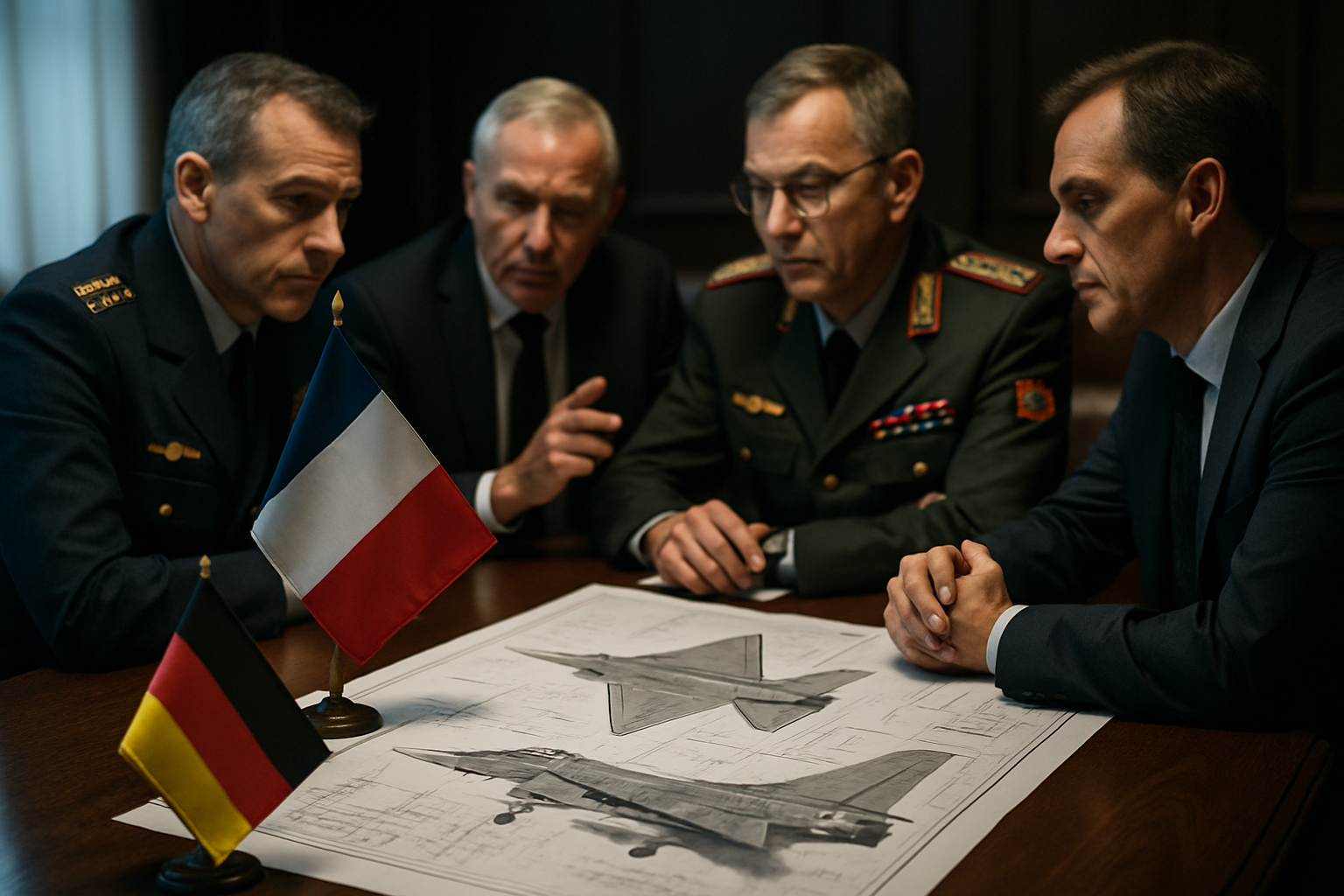
Germany is considering withdrawing from the ambitious Future Combat Air System (FCAS) programme, the joint fighter jet project with France announced in 2017, as political and industrial blockages threaten to derail one of Europe's most significant defense cooperation initiatives.
German Chancellor Friedrich Merz has cast fresh doubt on the €100+ billion project, suggesting Berlin may ultimately walk away from the programme over deepening differences with France. The announcement represents a critical juncture for European defense integration efforts and strategic autonomy aspirations amid broader transatlantic tensions.
Political and Industrial Deadlock
The Franco-German combat aircraft project, initially hailed as a cornerstone of European defense cooperation, has encountered significant obstacles that threaten its viability. French sources indicate that while Paris and Berlin still hope for a crisis resolution, the political and industrial blockage is compromising the materialization of the future combat air system project announced with great fanfare in 2017.
The strain on the project comes at a particularly sensitive time for European defense cooperation. Germany is reportedly considering ordering additional F-35 fighter jets from the United States, a decision that would deepen Berlin's dependence on American military technology and potentially signal a definitive shift away from the European alternative.
"This would represent a fundamental choice between European strategic autonomy and continued reliance on American defense capabilities."
— European Defense Analyst
Strategic Implications for European Defense
The potential collapse of the FCAS project would have far-reaching consequences for European defense integration efforts. The programme was designed not just as a replacement for aging fighter aircraft fleets, but as a symbol of Franco-German cooperation and Europe's ability to develop cutting-edge military technology independently of the United States.
The crisis reflects broader challenges facing European defense cooperation initiatives. Recent developments have shown increasing strain in traditional Franco-German partnerships, with Germany reportedly deepening ties with Italy while tensions rise with France over various policy issues. This shifting dynamic within the European Union could have profound implications for future defense projects.
Alternative Procurement Strategies
Germany's consideration of additional F-35 purchases represents a pragmatic but potentially controversial solution to its defense modernization needs. The F-35 Lightning II, manufactured by Lockheed Martin, is already in service with several NATO allies and offers proven capabilities with immediate availability.
However, this approach would run counter to European strategic autonomy goals that have gained prominence, particularly following concerns about American security guarantee reliability. The move would also represent a significant blow to European defense industrial capabilities and long-term technological independence ambitions.
Broader Context of European Defense Evolution
The FCAS crisis emerges against a backdrop of unprecedented European defense discussions. Recent months have witnessed historic conversations about expanding European nuclear deterrence capabilities, with German Chancellor Merz engaging in direct talks with French President Emmanuel Macron about nuclear cooperation – the first such discussions since the Cold War ended.
These developments reflect deeper concerns about European security architecture and the reliability of traditional American security guarantees. The potential failure of the FCAS project could accelerate European efforts to develop alternative defense arrangements, though the practical challenges remain substantial.
Technical and Financial Challenges
The FCAS programme has faced numerous technical and financial obstacles since its inception. The project's ambitious timeline and technological requirements have proven more challenging than initially anticipated, contributing to rising costs and delayed milestones. Industry sources suggest that disagreements over technology sharing, production workshare, and intellectual property rights have created additional friction between French and German partners.
The programme's complexity extends beyond simple aircraft development, encompassing advanced systems integration, artificial intelligence capabilities, and next-generation sensor technologies. These cutting-edge requirements have pushed both French and German defense industries to their technological limits, sometimes creating more problems than solutions.
International Reactions and Implications
The potential German withdrawal from FCAS would likely prompt significant reactions from European partners and allies. France, heavily invested in the project both financially and strategically, would face difficult decisions about proceeding with reduced German participation or seeking alternative partners.
Other European nations watching the project's development would also need to reassess their own defense modernization strategies. The failure of such a high-profile cooperative effort could discourage future joint European defense initiatives and push individual nations toward proven American alternatives.
Looking Toward Resolution
Despite the current challenges, both French and German officials maintain that crisis resolution remains possible. However, the window for successful negotiation may be closing as domestic political pressures and practical defense needs create urgency for concrete decisions.
The coming months will be critical for determining whether European defense cooperation can overcome current obstacles or whether national interests will ultimately prevail over collective ambitions. The stakes extend far beyond a single weapons programme, encompassing fundamental questions about European strategic autonomy and the future of transatlantic defense relationships.
The FCAS project's fate will serve as a key indicator of Europe's ability to develop independent defense capabilities in an era of increasing global security challenges. Success could strengthen European strategic autonomy efforts, while failure might reinforce dependence on American military technology for decades to come.