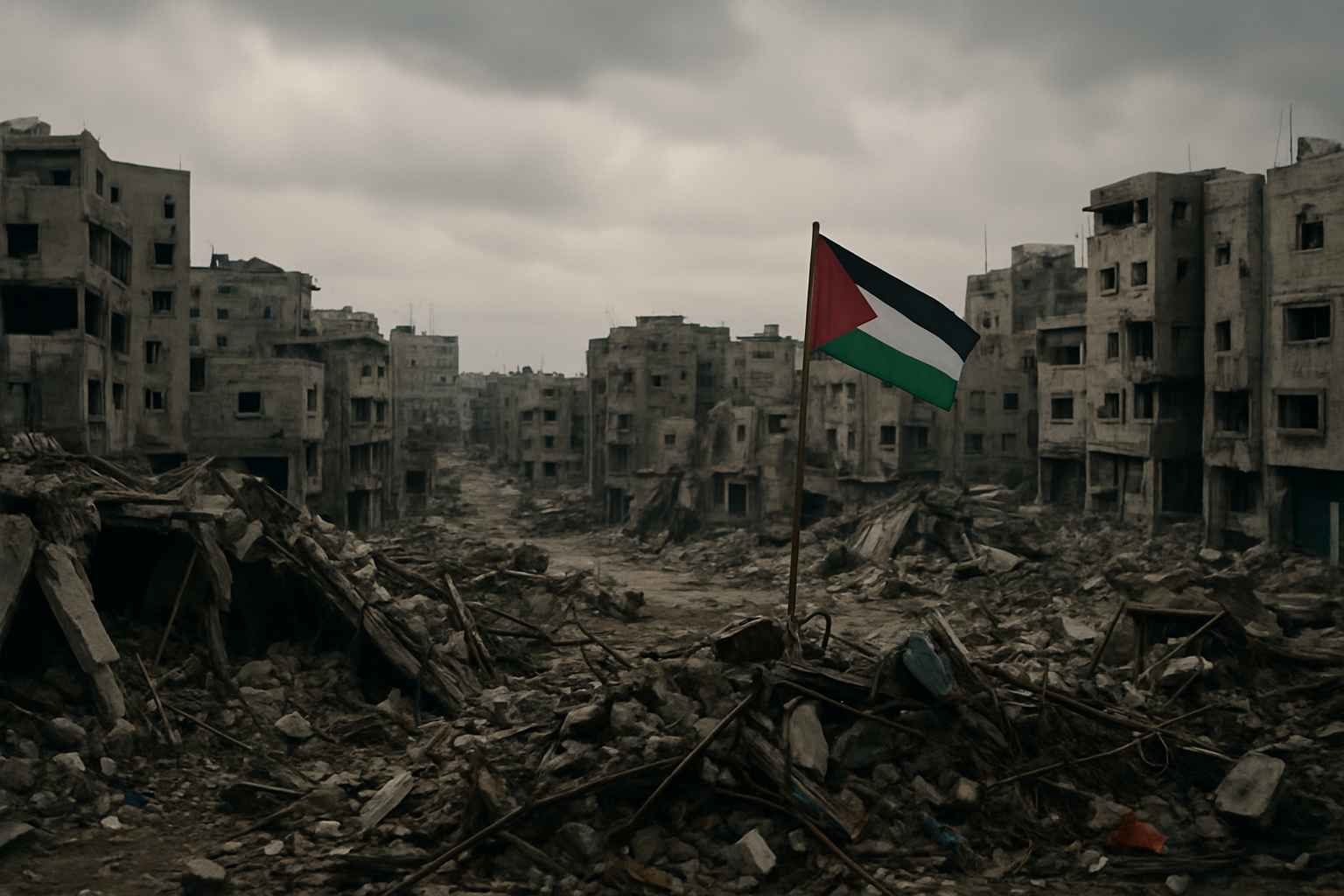
Israeli forces have continued alleged violations of the Gaza ceasefire agreement for the 118th consecutive day, according to Palestinian sources, with fresh strikes killing Palestinians even as the Rafah crossing experienced limited reopening operations.
The latest incidents occurred on February 5, 2026, when a girl was injured by Israeli gunfire inside her tent near Abu Hamid Roundabout in central Khan Younis, according to the Yemen Press Agency. Earlier, a Palestinian man was killed by Israeli forces in Bani Suheila, east of Khan Younis, as reported by the Wafa news agency.
The violence comes despite the partial reopening of Gaza's Rafah crossing with Egypt, which has allowed only limited movement of Palestinians and patients in need of urgent medical treatment. On Wednesday, 25 more Palestinians returned to Gaza through the crossing, marking the third batch since the controversial reopening.
Pattern of Alleged Violations Since October
Palestinian officials report that Israeli violations of the US-brokered ceasefire have resulted in over 556 Palestinian deaths since the truce began on October 10, 2025. The Gaza Government Media Office has documented 1,520 ceasefire violations over 115 days, bringing the total Gaza death toll to 71,800.
Recent incidents include deadly strikes that killed 24 Palestinians on February 4, including seven children, with attacks hitting Khan Younis and Gaza City. Among the victims was a five-month-old infant and a medical worker killed in what sources described as a "double-tap" strike in Khan Younis.
"Where is the ceasefire?" questioned Dr. Mohamed Abu Selmiya, Director of Al-Shifa Medical Complex, as Israeli forces handed over 54 Palestinian bodies and 66 boxes containing remains to the International Committee of the Red Cross.
— Dr. Mohamed Abu Selmiya, Al-Shifa Medical Complex Director
Limited Operations at Rafah Crossing
The Rafah crossing's partial reopening, while symbolically significant, has faced severe operational restrictions. Only 27 Palestinians crossed on the opening day versus the planned daily quota of 200. Hamas has condemned what it calls "systematic harassment" by Israeli security, with 38 of 50 planned returnees denied passage.
Israeli attacks have continued across the Gaza Strip, with air strikes reported east of Deir el-Balah in central Gaza and east of Khan Younis in the south. There have also been Israeli air strikes, gunfire, and heavy artillery shelling targeting Gaza City's eastern Tuffah neighborhood, according to Al Jazeera reporting.
International Condemnation Grows
Eight Arab and Muslim nations, including Saudi Arabia, Jordan, Egypt, UAE, Qatar, Indonesia, Pakistan, and Turkey, have issued joint condemnations of Israel's alleged ceasefire violations. The Organisation of Islamic Cooperation (OIC) has separately condemned what it terms "continuing massacres."
Over 400 European Union diplomats and officials have called for increased pressure on Israeli authorities, while a European Left Coalition petition against EU-Israel partnership has surpassed 400,000 signatures in 18 days.
Humanitarian Crisis Deepens
The Gaza Civil Defense has warned of operational challenges due to fuel shortages hampering emergency response capabilities. An estimated 20,000 Palestinians still await medical evacuation through the limited crossing operations.
Egypt has maintained a massive healthcare response with 150 hospitals on alert and 300 ambulances deployed to assist with medical evacuations. However, the crossing operates under strict Israeli-Egyptian security protocols with EU monitoring, limiting operations to pedestrian traffic only during six-hour windows.
The ongoing violations have occurred against the backdrop of what meteorologists report as the hottest January on record globally, with 18 of the past 19 months exceeding 1.5°C above pre-industrial levels, adding additional challenges to the humanitarian situation.
Ceasefire Implementation Failures
The pattern of alleged violations threatens the second phase of what has been described as Trump's Gaza peace plan and the implementation of UN Resolution 2803. Israeli military officials have claimed their actions are responses to gunfire that wounded Israeli officers, though Palestinian sources dispute these justifications.
International observers have noted that ceasefire implementation failures have become a systematic pattern rather than isolated incidents, with mounting diplomatic pressure for compliance with the agreed terms.
The situation remains volatile as international mediators work to maintain the fragile ceasefire agreement while addressing ongoing security concerns from both sides. The international community continues to monitor developments closely as the humanitarian crisis in Gaza persists despite the formal cessation of hostilities.