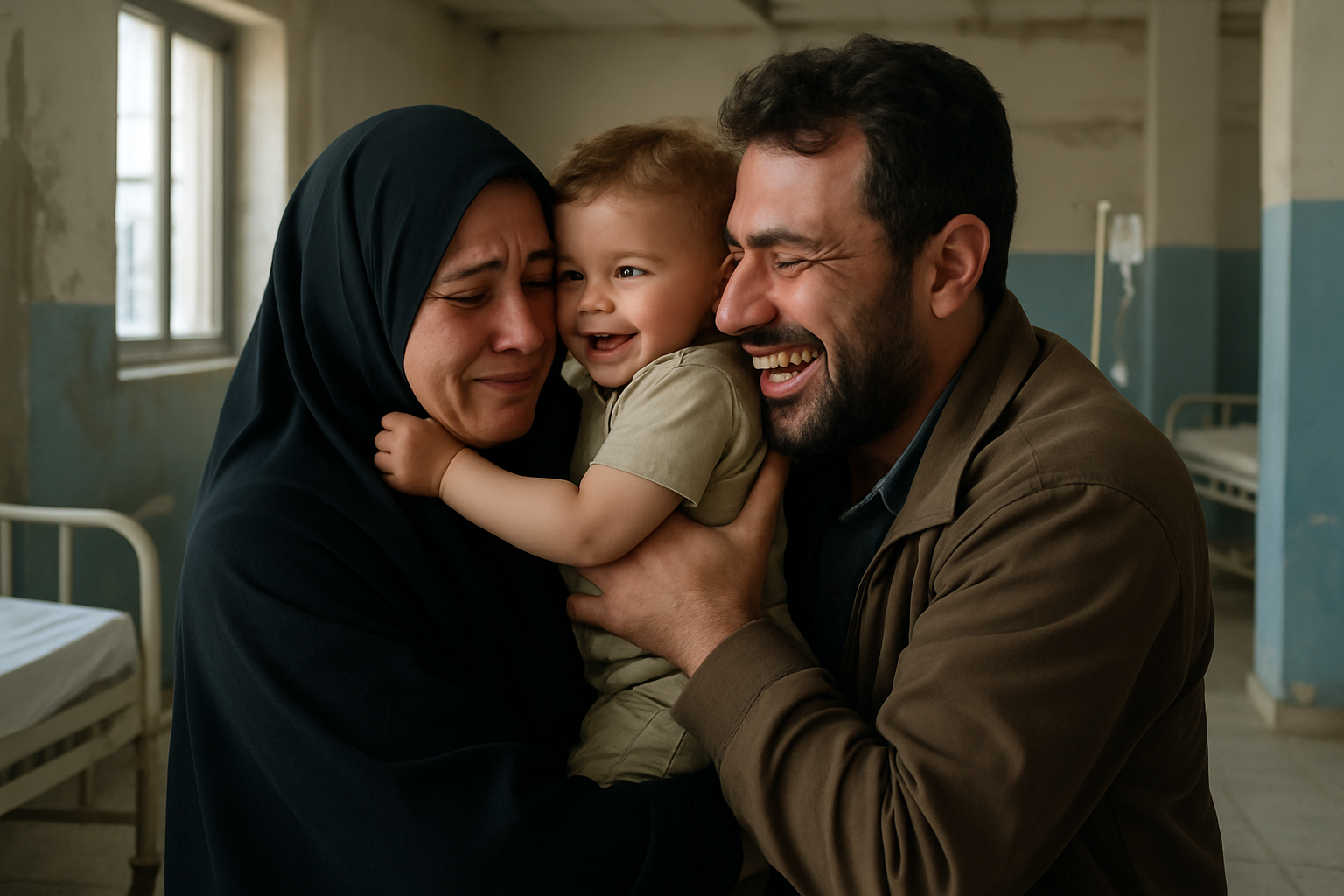
Eleven children who were evacuated from Gaza as premature babies during the early weeks of the 2023 conflict have returned to their families as toddlers, marking an emotional reunion that underscores the prolonged humanitarian crisis facing the Palestinian territory.
The children, now aged between two and three years old, were initially evacuated to Egypt when al-Shifa Hospital came under siege by Israeli military forces in the first weeks of the conflict. Their return to Gaza comes as the territory remains devastated by over two and a half years of war, with families facing an uncertain future amid ongoing humanitarian challenges.
Emergency Evacuation and Years of Separation
The evacuation of these premature infants from al-Shifa Hospital represented one of the most critical humanitarian operations of the early conflict period. As Israeli forces besieged the medical facility - Gaza's largest hospital - medical staff and international organizations worked desperately to save the most vulnerable patients, including dozens of premature babies dependent on specialized incubation equipment.
The infants were transferred to Egyptian medical facilities where they received specialized care for premature babies, including respiratory support and nutritional assistance. Many families were separated from their children during this evacuation, unable to accompany them due to border restrictions and the chaos of the conflict.
"These children represent both the tragedy and resilience of Gaza's people," said Dr. Mohamed Abu Selmiya, Director of Al-Shifa Hospital. "They survived their earliest days during one of the most dangerous periods in Gaza's history."
— Dr. Mohamed Abu Selmiya, Al-Shifa Hospital Director
The years-long separation took an immense emotional toll on families who had limited contact with their children. Many parents faced the heartbreaking reality of missing their children's first words, first steps, and crucial early developmental milestones while the conflict continued to rage.
Current Humanitarian Crisis Context
The children's return occurs against the backdrop of Gaza's ongoing humanitarian catastrophe. According to recent documentation, over 1,600 systematic ceasefire violations have been recorded since the October 2025 truce agreement, resulting in more than 600 Palestinian deaths during what was supposed to be a peace period.
Gaza's medical infrastructure remains severely compromised. The Gaza Civil Defense has been completely shut down due to fuel shortages, hampering emergency response capabilities. The Rafah crossing operates under severe restrictions, with only 27 Palestinians able to cross daily versus the agreed quota of 200, while over 20,000 Palestinians await medical evacuation.
Medical Challenges and Long-term Care Needs
Medical experts note that children born prematurely and separated from their families during critical early development periods may face unique challenges. The stress of conflict exposure, even in utero, combined with early medical complications and family separation, can have lasting impacts on child development.
Al-Awda Medical Complex and other functioning medical facilities in Gaza are now tasked with providing follow-up care for these children, many of whom may require ongoing medical monitoring and developmental support. However, the collapsed healthcare system struggles to meet even basic medical needs, let alone provide specialized pediatric care.
Broader Pattern of Child Displacement
The case of these eleven children reflects a much broader pattern of child displacement and family separation during the Gaza conflict. According to Palestinian women's organizations, over 3,200 women and children remain missing, while the Palestinian Ministry has documented over 12,500 women killed since October 2023, including more than 9,000 mothers.
The return of these toddlers provides a rare positive moment in what has been described as "one of the most severe humanitarian disasters in contemporary history." However, their reintegration into Gaza's devastated society presents ongoing challenges for families struggling with basic survival needs.
International Response and Support Mechanisms
Egypt has maintained 150 hospitals on alert and deployed 300 ambulances to support medical evacuations from Gaza, demonstrating the continued international medical support system. However, the systematic restrictions on movement and ongoing violence have severely limited the effectiveness of these humanitarian efforts.
The Trump administration's "Board of Peace" initiative, which secured $17 billion in reconstruction pledges in February 2026, faces implementation obstacles due to ongoing ceasefire violations and security concerns. The systematic nature of the violations has raised questions about the viability of traditional reconstruction approaches without addressing underlying political and security issues.
Looking Forward
As these eleven children begin their new lives back in Gaza, their stories represent both hope and the enormous challenges facing Palestinian families. Their survival through the earliest days of the conflict and successful medical care in Egypt demonstrates the possibility of international humanitarian cooperation even during the darkest periods.
However, their return to a territory still experiencing systematic violence, humanitarian crisis, and infrastructure collapse highlights the urgent need for sustained international commitment to protecting civilians and ensuring children's fundamental rights to safety, healthcare, and family unity.
The children's resilience offers a powerful reminder that beyond the statistics and political complexities of the Gaza crisis lie individual human stories of survival, family bonds, and the determination to rebuild lives even in the most challenging circumstances. Their journey from premature babies in a besieged hospital to toddlers returning home embodies both the human cost of conflict and the enduring strength of family connections that transcend years of separation and hardship.