Israeli tank shelling and airstrikes killed 24 Palestinians including seven children in Gaza on Wednesday, health officials confirmed, marking the latest violence to undermine the nearly four-month-old ceasefire in the enclave while international criticism continues to mount over ongoing violations.
The Wednesday attacks struck multiple areas across Gaza, with the southern city of Khan Younis bearing the brunt of the casualties. Among the dead was a medical worker who rushed to help victims of an initial strike in Khan Younis and was then killed by a second attack on the same location, health officials reported.
Additional strikes hit Gaza City in the north, where a five-month-old boy was among the casualties. The attacks occurred just three days after Israel reopened Gaza's main border crossing with Egypt at Rafah, which had been viewed as a significant step in implementing the US-backed truce agreement.
Pattern of Escalating Violations
The latest violence comes as part of what officials describe as systematic ceasefire breaches. According to the Gaza Government Media Office, Israel has committed 1,520 gross violations of the ceasefire agreement since it took effect on October 10, 2025, through February 4, 2026. These violations have resulted in the deaths of 556 Palestinians and injuries to hundreds more over the 115-day period.
Wednesday's casualties bring the total number of Palestinians killed since the ceasefire began to over 530, according to Gaza Health Ministry figures. The overall death toll from the conflict now stands at 71,800.
"While we were sleeping in our house, the tank shelled us and the shells hit our house, our children were martyred – my son was martyred, my brother's son and daughter were martyred … We have nothing to do with anything, we are peaceful people."
— Abu Mohamed Habouch, speaking at a funeral for his family members
International Condemnation Grows
The continued violence has prompted sharp international criticism from multiple quarters. Eight Arab and Muslim nations, including Saudi Arabia, Jordan, Egypt, UAE, Qatar, Indonesia, Pakistan, and Turkey, have issued joint condemnations of Israel's alleged ceasefire violations. The Organization of Islamic Cooperation (OIC) separately condemned what it termed "continuing massacres."
Hamas condemned the recent escalation, describing it as a continuation of what the movement called a "war of genocide." Hamas spokesman Hazem Qasem characterized the attacks as having "flimsy pretexts" and aimed at disrupting the ceasefire agreement.
The Israeli military justified Wednesday's strikes by claiming they were responding to gunfire that seriously wounded one of its officers. However, Palestinian officials and international observers have questioned the proportionality of the response.
Humanitarian Crisis Deepens
The ongoing violence has severely complicated humanitarian efforts in Gaza. The Gaza Civil Defense announced a complete operational shutdown due to fuel shortages, significantly hampering emergency response capabilities across the territory.
Despite the recent reopening of the Rafah crossing with Egypt, operations remain severely limited. Only 27 Palestinians crossed on the first day of operations, far below the planned quotas of 150 exits and 50 entries daily. Hamas has condemned what it termed "systematic harassment" of returnees by Israeli forces, with Israeli security denying passage to 38 of 50 planned Palestinian returnees.
The Gaza Health Ministry reports that approximately 20,000 Palestinians still await medical evacuation, but current crossing capacity remains insufficient to address this massive backlog. The crossing operates under strict Israeli-Egyptian security protocols with EU monitoring, allowing only pedestrian traffic during limited six-hour windows.
Bodies Released by Israel
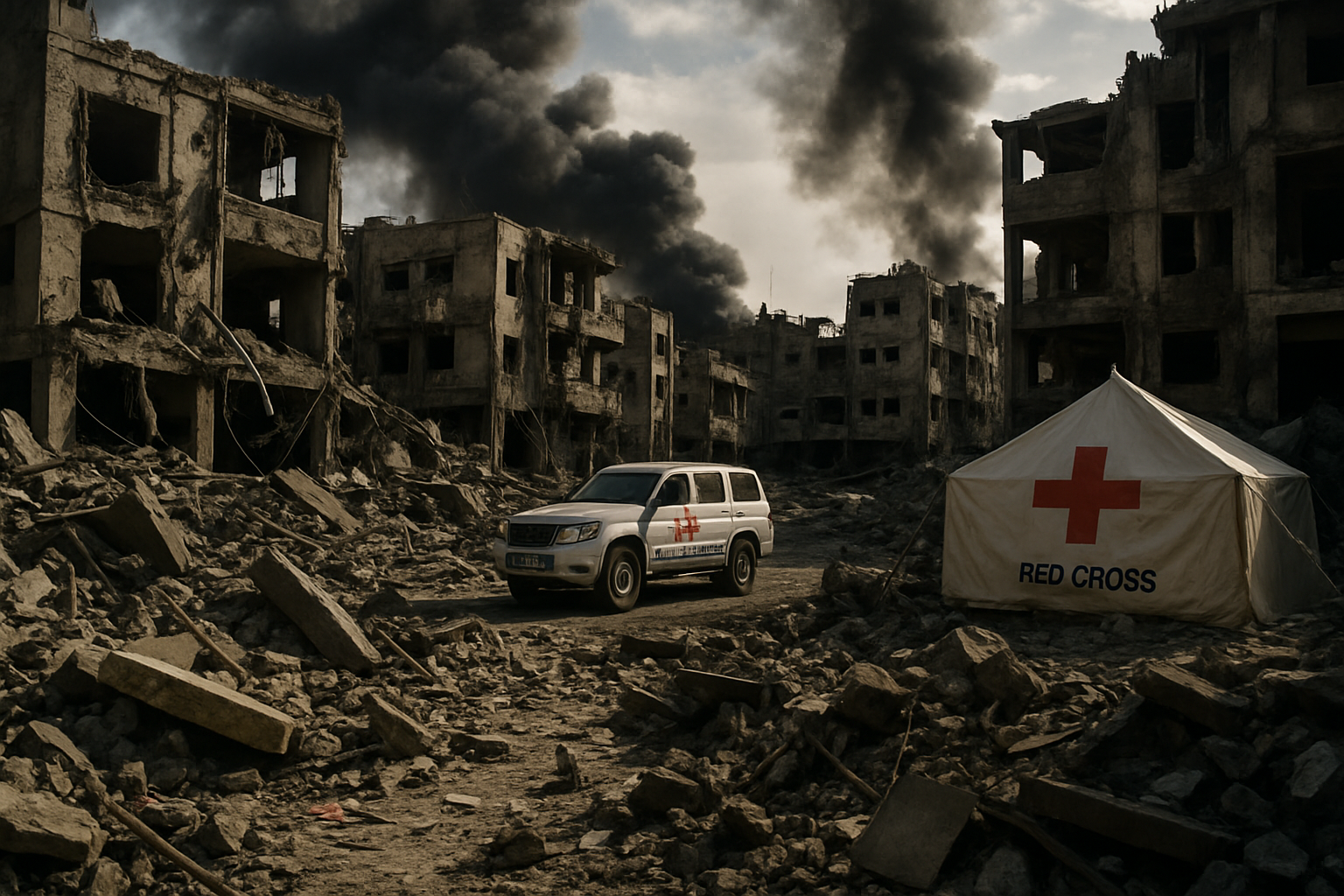
In an unexpected development, the International Committee of the Red Cross (ICRC) announced Wednesday that it received 120 unidentified bodies of Palestinians from Israel, believed to have been killed during the two-year conflict. Health officials in Gaza have begun work to identify the remains, highlighting the ongoing humanitarian challenges in accounting for casualties from the prolonged conflict.
Regional and International Implications
The escalating violations threaten the implementation of what has been described as the second phase of a broader peace plan. The continued violence occurs against the backdrop of broader Middle Eastern diplomatic efforts, including ongoing trilateral peace talks between Ukraine, Russia, and the US in Abu Dhabi, and preparations for nuclear negotiations between the US and Iran.
International observers have expressed concern that the pattern of violations could undermine broader regional stability efforts. The coordinated diplomatic response from Arab and Muslim nations represents significant international pressure on Israel regarding its Gaza operations.
The attacks also come at a time when European Union monitoring teams are overseeing the limited operations at the Rafah crossing, making the violations particularly visible to international observers.
Looking Forward
The current situation presents significant challenges for the durability of the ceasefire agreement. With over 1,500 documented violations in just over three months, the pattern suggests systemic issues with implementation and enforcement mechanisms.
The international community faces mounting pressure to develop more effective monitoring and enforcement mechanisms to prevent further deterioration of the situation. The limited success of the Rafah crossing reopening, combined with continued military operations, highlights the fragile nature of current arrangements.
As Gaza's 2.3 million residents continue to face severe restrictions on movement and access to basic services, the humanitarian crisis shows little sign of abating despite international diplomatic efforts and the formal ceasefire agreement.