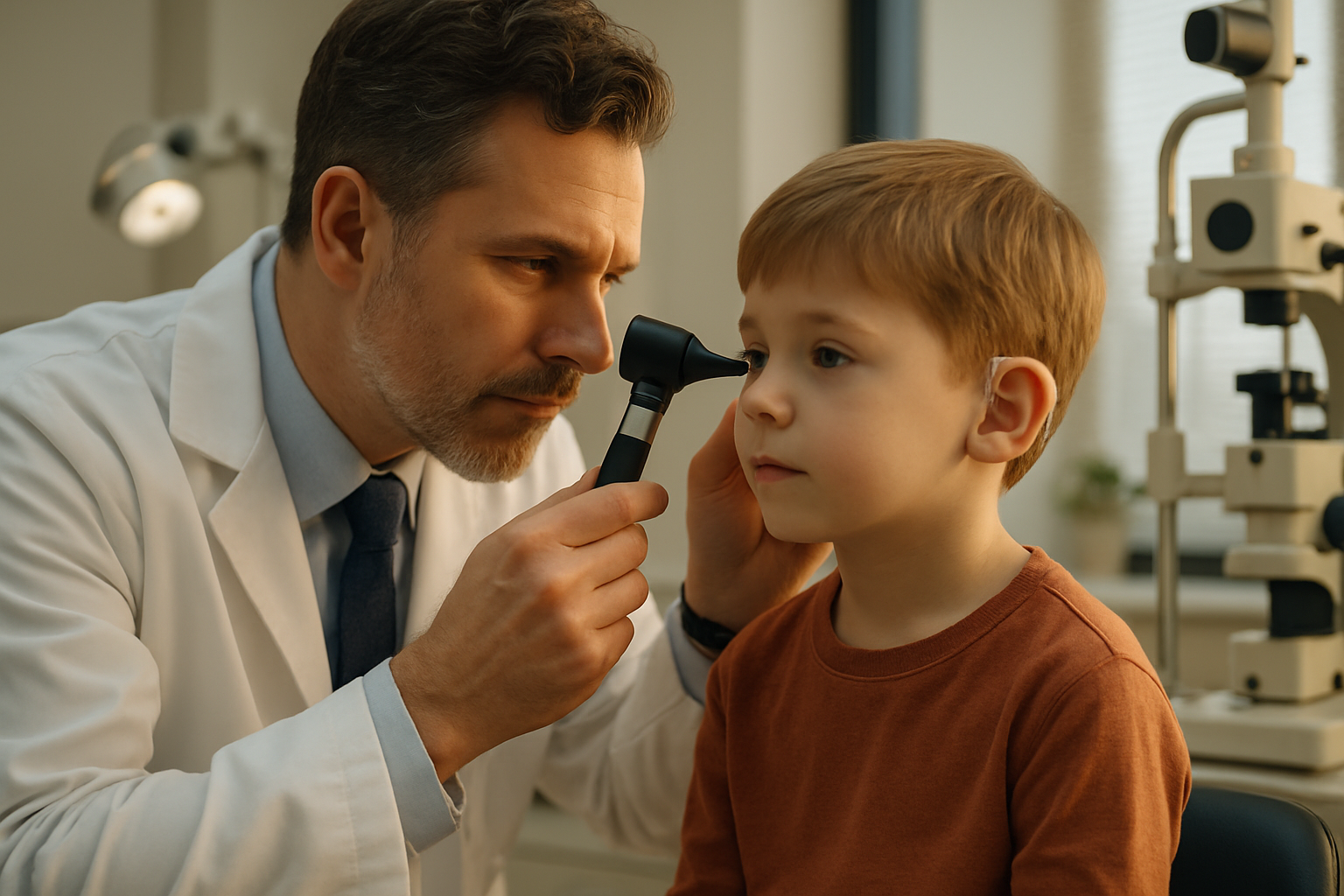
A revolutionary gene therapy has allowed deaf children and adults as old as 32 to hear for the first time, with the benefits persisting for more than two years for some patients, according to new research that represents a major breakthrough in treating rare hereditary deafness.
The landmark clinical trials, conducted at the Eye & ENT Hospital of Fudan University in China, demonstrate the potential for gene therapy to address genetic hearing disorders that have previously been considered untreatable. Dr. Yilai Shu and his research team have documented sustained hearing improvements in patients with hereditary deafness, marking a significant milestone in the ongoing "Therapeutic Revolution of 2026."
Breakthrough Technology Targets Genetic Root Causes
The gene therapy works by addressing the underlying genetic defects that cause hereditary deafness, representing a paradigm shift from traditional hearing aids and cochlear implants that work around damaged hearing mechanisms rather than correcting them. This approach aligns with the broader transformation in healthcare toward precision medicine that targets the molecular causes of genetic diseases.
Unlike conventional treatments that provide external assistance for hearing loss, this gene therapy actually repairs or replaces the faulty genes responsible for the condition. The treatment involves delivering corrective genetic material directly to the inner ear, where it can restore normal cellular function and enable natural hearing processes.

Lasting Results Exceed Expectations
The most remarkable aspect of the research is the durability of the treatment effects. Initial clinical trials have shown that benefits persist for more than two years in some patients, far exceeding the temporary improvements often seen with experimental treatments. This sustained efficacy suggests that the gene therapy may provide permanent or long-lasting restoration of hearing function.
Patients ranging from young children to adults as old as 32 have experienced significant hearing improvements. For many participants, this represents the first time they have been able to perceive sound, fundamentally transforming their ability to communicate and interact with the world around them.
"This breakthrough demonstrates the potential for gene therapy to permanently cure genetic diseases rather than just managing their symptoms."
— Dr. Yilai Shu, Lead Researcher, Eye & ENT Hospital of Fudan University
Context Within Global Medical Revolution
This gene therapy success occurs within the broader "Therapeutic Revolution of 2026," which has been characterized by unprecedented breakthroughs in genetic medicine. Earlier this year, 19-year-old Ty Sperle from Kelowna, British Columbia, was cured of chronic granulomatous disease through revolutionary gene editing technology, representing the first documented case of a permanent genetic cure.
The hearing loss breakthrough adds to a growing list of genetic diseases that are transitioning from incurable conditions to treatable or even curable disorders. This represents a fundamental evolution in medical capability, moving from symptom management to addressing root molecular causes of inherited diseases.
Prevention-First Healthcare Paradigm
The gene therapy approach exemplifies the prevention-first healthcare strategies that have become dominant in 2026. By correcting genetic defects early in life, this treatment prevents the long-term consequences of hearing loss including social isolation, depression, and cognitive decline that typically accompany untreated hereditary deafness.
Economic analyses consistently show that prevention-focused approaches deliver superior cost-effectiveness compared to lifelong management strategies. A single gene therapy treatment that provides permanent hearing restoration could eliminate decades of hearing aid costs, speech therapy, and specialized educational services.
International Cooperation Drives Innovation
The success of this gene therapy research demonstrates the power of international scientific cooperation that has characterized the Therapeutic Revolution of 2026. Despite challenges with traditional multilateral funding mechanisms, bilateral partnerships and peer-to-peer knowledge sharing have accelerated breakthrough discoveries.
Chinese researchers have emerged as leaders in genetic medicine, with institutions like MGI Tech developing the world's fastest gene sequencing machines and BGI Genomics becoming the largest generator of human genetic data. This technological infrastructure has been crucial for advancing personalized medicine approaches like the hearing loss gene therapy.
Broader Implications for Genetic Medicine
The success with hereditary deafness has implications beyond hearing disorders. The techniques and delivery methods developed for inner ear gene therapy could potentially be adapted for other sensory organs and genetic conditions. Researchers are already exploring applications for inherited blindness, genetic muscle disorders, and other single-gene diseases.
The sustained efficacy demonstrated in these trials also provides important validation for gene therapy as a permanent treatment modality. Previous gene therapies have sometimes shown temporary benefits that fade over time, but the two-year durability observed in hearing loss patients suggests that properly designed genetic interventions can provide lasting cures.
Challenges and Future Directions
Despite the breakthrough success, several challenges remain for widespread implementation of gene therapy for hearing loss. The treatment currently targets specific types of hereditary deafness caused by single-gene mutations, representing only a portion of all genetic hearing disorders.
Researchers are working to expand the therapy to address other genetic causes of deafness and to develop delivery methods that could potentially help patients with acquired hearing loss from noise damage, infections, or aging. The high cost of gene therapy also presents accessibility challenges that will need to be addressed through healthcare policy innovations.
Regulatory and Safety Considerations
The success of the clinical trials will likely accelerate regulatory review processes for gene therapy treatments. However, rigorous safety monitoring will be essential, particularly for pediatric applications where long-term effects must be carefully evaluated.
International regulatory coordination will be crucial for ensuring that breakthrough treatments can be made available globally while maintaining appropriate safety standards. The establishment of common protocols and shared safety databases could accelerate the approval and distribution of gene therapies for rare diseases.
Transforming Lives and Communities
Beyond the medical achievements, this gene therapy breakthrough represents a profound transformation for the deaf community and families affected by hereditary hearing loss. For parents of children with genetic deafness, the possibility of restored hearing offers hope that was previously unavailable.
The treatment also raises important questions about deaf culture and identity, as communities have developed rich cultural traditions around sign language and deaf identity. The availability of genetic cures will require sensitive navigation of cultural considerations alongside medical benefits.
"This represents a historic moment for genetic medicine, demonstrating that what we once considered permanent disabilities may actually be reversible conditions."
— International Gene Therapy Research Consortium
Economic and Healthcare System Impact
The successful development of gene therapy for hearing loss demonstrates the economic potential of precision medicine approaches. Countries investing in genetic medicine infrastructure are positioning themselves as leaders in the next generation of healthcare innovation, with significant potential for medical tourism and international collaboration.
Healthcare systems implementing prevention-first strategies through genetic interventions report substantial cost reductions through decreased crisis interventions and improved population health outcomes. The one-time cost of gene therapy compares favorably to lifetime costs of managing genetic conditions through traditional approaches.
Global Accessibility Considerations
Ensuring equitable access to breakthrough genetic therapies remains a critical challenge. The success of the Chinese research demonstrates that medical innovation is no longer concentrated exclusively in Western countries, potentially improving global access to cutting-edge treatments.
International cooperation mechanisms will be essential for sharing both the technology and the expertise needed to deliver gene therapies safely and effectively worldwide. This includes training healthcare workers, establishing specialized treatment centers, and developing distribution networks for genetic medicines.
Looking Forward: A New Era of Genetic Medicine
The sustained success of gene therapy for hereditary deafness marks a turning point in the treatment of genetic diseases. As researchers continue to refine delivery methods and expand applications, the possibility of preventing or curing genetic conditions that have affected humanity for millennia becomes increasingly realistic.
This breakthrough occurs at a critical juncture in global healthcare evolution, where the convergence of precision medicine advances, international cooperation models, and prevention-focused strategies is creating the foundation for more resilient and effective healthcare systems capable of addressing 21st-century challenges.
The success with hearing loss gene therapy demonstrates that with sustained scientific commitment, international collaboration, and adequate resources, the most challenging genetic diseases can transition from incurable conditions to preventable or treatable disorders. This represents not just a medical advance, but a transformation in what it means to live with genetic disease in the modern era.
As the Therapeutic Revolution of 2026 continues to unfold, the restoration of hearing through genetic intervention stands as a powerful example of how precision medicine can deliver life-changing results for patients and families worldwide. The lasting benefits observed in clinical trials suggest that this is just the beginning of a new chapter in genetic medicine that could transform the treatment of hereditary diseases across all medical specialties.