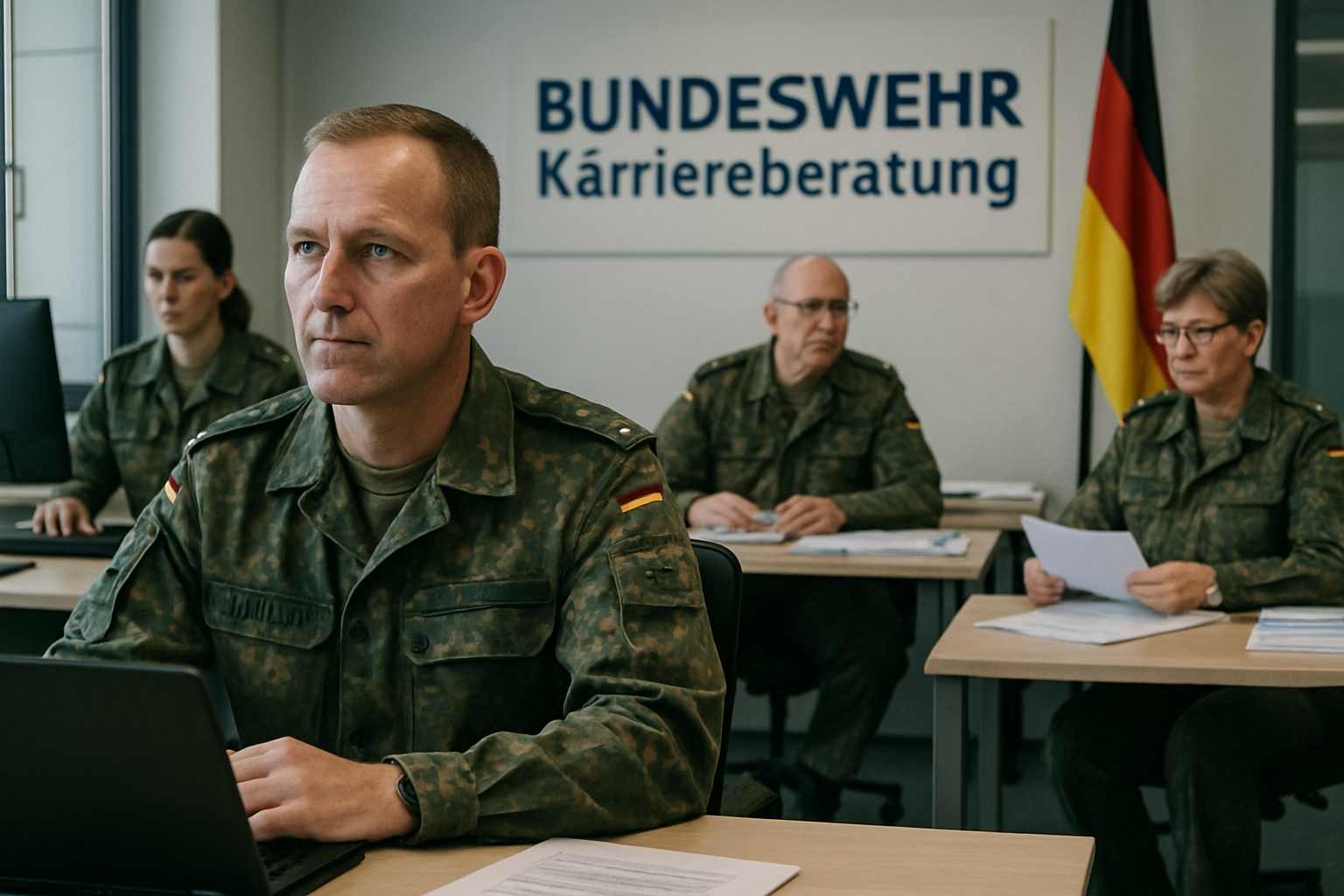
Germany has quietly implemented sweeping new regulations requiring all men aged 17 to 45 to obtain permission from the Bundeswehr Career Center before traveling abroad for more than three months, marking the most significant change to military service obligations in decades.
The requirement, which took effect January 1, 2026, was embedded within Germany's new Military Service Act but has only recently gained widespread public attention. The regulation applies to all male German residents regardless of their military status or citizenship status, representing a fundamental shift in how the country approaches national defense obligations.
According to reports from German media outlets including the Berliner Zeitung and Frankfurter Rundschau, the new provision extends beyond traditional military conscription to encompass civilian travel restrictions. Previously, such permissions were required only in two exceptional circumstances: during periods of heightened tension or for defense-related considerations.
Legal Framework and Implementation
The new requirement is codified in Article 2 of Germany's revised Military Service Act, which came into force at the beginning of 2026. Under the law, men between the ages of 17 and 45 must apply for and receive formal approval from Bundeswehr authorities before departing Germany for any period exceeding 90 days.
The regulation covers a broad spectrum of situations, from study abroad programs and extended work assignments to long-term vacation travel. This represents a significant departure from Germany's previous approach, which had largely moved away from mandatory military service in recent years.
Germany's Defense Ministry has confirmed the policy following media inquiries, though officials indicate they plan to issue administrative clarifications. According to Deutsche Welle, a ministry spokesperson stated: "We will clarify through administrative provisions that permission is considered granted when military service is voluntary."
International Reaction and Comparisons
The policy has drawn attention from Germany's neighbors and international observers, who note the unusual nature of such restrictions in peacetime Europe. Reports from Latvia indicate concern about the precedent this might set for other European Union member states considering similar measures.
Switzerland's NZZ newspaper characterized the reform as one that "irritates," noting that it represents a significant expansion of military authority over civilian life. The Swiss report emphasized that the regulation only became widely noticed months after its implementation, suggesting insufficient public debate during the legislative process.
International legal experts have noted that while such restrictions exist in some countries with active conscription systems, their implementation in Germany—a NATO member with voluntary military service—represents an unusual approach among Western democracies.
Public Response and Civil Liberties Concerns
The belated recognition of the travel restrictions has sparked debate within Germany about civil liberties and the appropriate scope of military authority in a democratic society. Critics argue that the requirement infringes on fundamental freedoms of movement that are cornerstone principles of the European Union.
Civil rights organizations have expressed concern about the broad scope of the regulation, noting that it applies regardless of an individual's military service status, educational background, or professional obligations. The requirement extends to German citizens living abroad who might wish to remain outside the country for extended periods.
Legal analysts point out that the regulation could affect thousands of German men annually, from university students pursuing degrees abroad to professionals taking extended international assignments. The practical implications for Germany's international business community and educational exchanges remain unclear.
Historical Context and Military Reform
The travel restrictions are part of broader changes to German military policy that reflect shifting security concerns in Europe. Germany suspended mandatory military service in 2011, transitioning to an all-volunteer force. However, recent geopolitical developments, including the ongoing conflict in Ukraine and concerns about Russian military activity, have prompted reconsideration of defense policies across Europe.
The new law also reintroduced mandatory military assessment for young men—a policy change that received more public attention than the travel restrictions. This revival of conscription elements comes as Germany faces recruitment challenges for its armed forces and seeks to strengthen its defense capabilities in line with NATO commitments.
Germany's defense spending has increased significantly in recent years, with the country committing to meet NATO's target of spending 2% of GDP on defense. The travel restrictions appear designed to ensure that military-age men remain available for potential service if circumstances require expanded military mobilization.
Administrative Process and Enforcement
Details about the practical implementation of the permission system remain limited. The Defense Ministry has not yet published comprehensive guidelines about how individuals should apply for travel permission, what criteria will be used for approval, or how long the process typically takes.
Questions remain about enforcement mechanisms and potential penalties for non-compliance. It is unclear whether German border authorities have been instructed to check compliance with the new requirements or how the system will interact with existing EU freedom of movement provisions.
The ministry's promise to clarify that permission is "considered granted" for voluntary military service suggests that many individuals may effectively be exempt from the requirement. However, the lack of clear administrative procedures has created uncertainty for those potentially affected by the law.
European Security Implications
The German policy change occurs against the backdrop of broader European discussions about defense preparedness and military mobilization capabilities. Several European countries have reconsidered their approach to military service in response to perceived security threats, though few have implemented travel restrictions as comprehensive as Germany's.
Estonia, Latvia, and other Baltic states have maintained or strengthened military service requirements, but these typically involve clear exemptions and established administrative procedures. Germany's approach of implementing travel restrictions without extensive public consultation has drawn criticism from some European partners.
The policy also raises questions about coordination with NATO allies and the potential impact on military cooperation programs. Germany hosts numerous international military exercises and exchange programs that could be complicated by restrictions on German personnel traveling abroad for extended periods.
Economic and Social Impact
The travel restrictions could have significant implications for Germany's economy and society, particularly affecting industries that rely on international mobility. German companies frequently send employees abroad for extended assignments, and the country's universities have extensive international exchange programs.
Educational institutions have expressed concern about the potential impact on German students seeking to study abroad, particularly in programs that last longer than three months. Similarly, German businesses worry about complications in posting employees to international assignments or projects.
The tourism industry has noted potential effects on Germans planning extended travel, particularly digital nomads and retirees who might wish to spend several months abroad. The requirement could also affect family reunification situations where German citizens need to spend extended periods abroad with relatives.
Legal Challenges and Future Prospects
Legal experts anticipate potential constitutional challenges to the travel restrictions, particularly regarding their compatibility with fundamental rights guaranteed under German law and European Union treaties. The broad scope of the restrictions and their application regardless of military service status could face scrutiny from German courts.
The European Union's guarantee of freedom of movement for citizens could also provide grounds for legal challenges, particularly if the restrictions are deemed to interfere with EU citizens' rights to live and work in other member states.
Constitutional law scholars have noted that while states have authority to regulate military service obligations, the extension of such requirements to travel restrictions in peacetime represents an expansion of government power that may require stronger justification than has yet been provided.
International Precedents and Comparisons
While some countries maintain travel restrictions for military-age citizens, Germany's approach is notable for its breadth and the limited public discussion that preceded its implementation. Countries with active conscription systems, such as South Korea and Switzerland, typically have well-established procedures and clear exemptions for their travel restrictions.
The German policy differs significantly from these models in that it applies regardless of military service status and was implemented without the extensive public consultation typically associated with such significant policy changes in democratic societies.
International observers note that the policy represents a departure from post-Cold War trends toward reducing military obligations and restrictions on civilian life in Western European countries.
Moving Forward
As Germany grapples with the implementation and public reaction to these new restrictions, the policy is likely to undergo significant refinement. The Defense Ministry's acknowledgment of the need for administrative clarifications suggests that the current framework may be modified based on practical experience and public feedback.
The controversy surrounding the travel restrictions highlights broader questions about the appropriate balance between national security considerations and individual freedoms in democratic societies. As European countries reassess their defense postures in response to changing security environments, Germany's experience may influence similar debates in other nations.
The ultimate success or failure of Germany's new approach will likely depend on the government's ability to implement the policy in a way that addresses legitimate security concerns while minimizing disruption to citizens' lives and fundamental freedoms. Clear administrative procedures, reasonable exemptions, and transparent decision-making processes will be crucial for maintaining public support and constitutional compliance.