Germany is experiencing severe transportation disruptions as coordinated strikes by transport unions and aviation workers bring buses, trains, and flights to a standstill across multiple states, highlighting growing tensions in the country's labor relations.
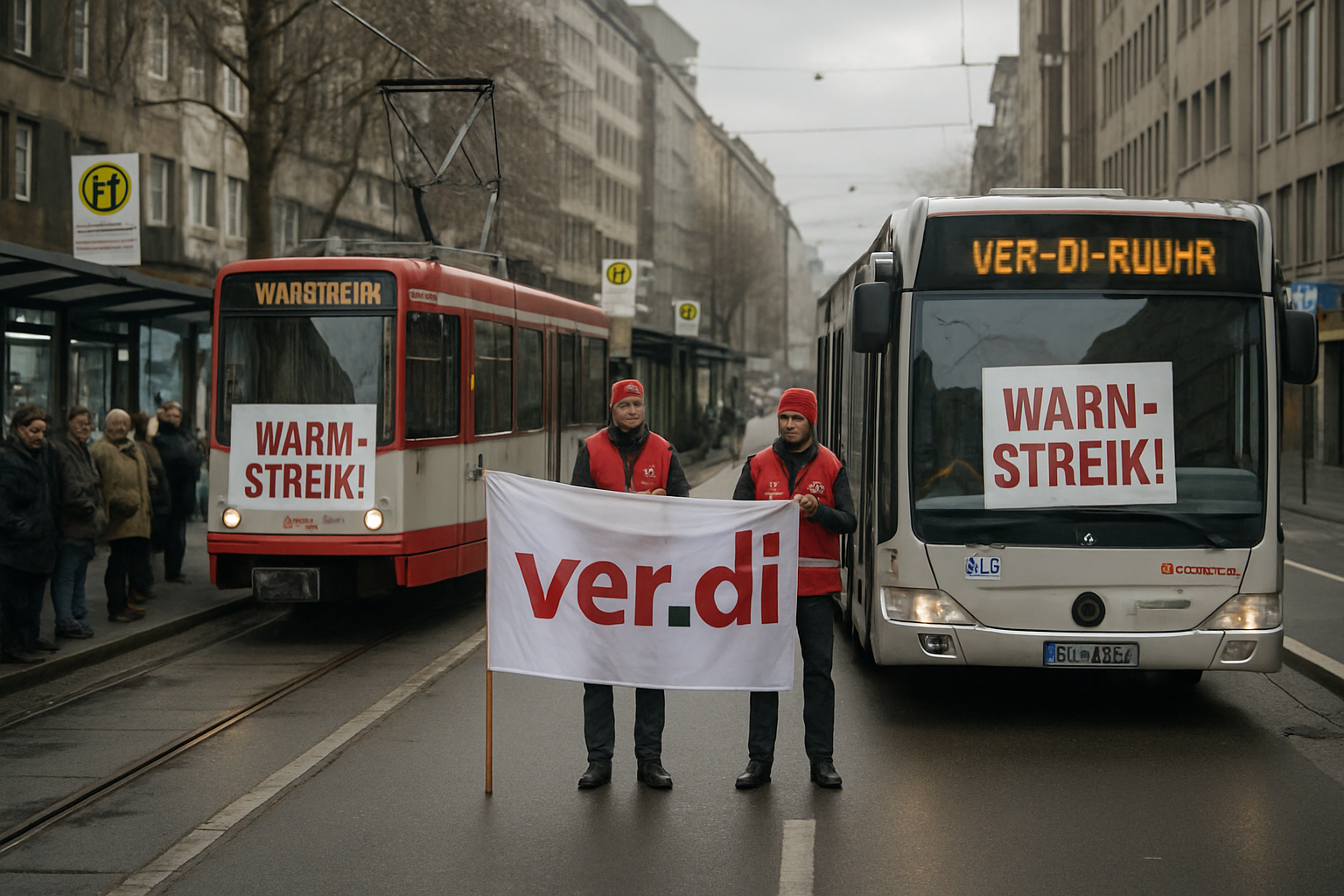
The Ver.di union has called for comprehensive work stoppages affecting public transportation in North Rhine-Westphalia (NRW), with buses and trams remaining stationary today and Thursday. Meanwhile, Berlin Brandenburg Airport faces a complete shutdown on Wednesday, with tens of thousands of passengers expected to be affected by the aviation workers' warning strike.
Public Transport Paralysis in North Rhine-Westphalia
The Ver.di union's call to action has brought municipal transport operations to a complete halt across Germany's most populous state. Bus and tram services operated by KVB (Cologne) and other municipal transport companies have suspended operations, leaving millions of commuters searching for alternative transportation methods.
The two-day strike action represents a significant escalation in ongoing labor disputes between transport workers and management. Union representatives are demanding improved working conditions, higher wages, and enhanced benefits packages that reflect the essential nature of public transportation services.
Images from affected cities show empty bus stops with frustrated passengers waiting for services that will not arrive. Trams decorated with strike placards remain parked in depots, while normally busy transit hubs stand eerily quiet during peak commuting hours.
Berlin Airport Closure Affects International Travel
The situation at Berlin Brandenburg Airport presents an even more dramatic disruption to Germany's transportation network. All flights scheduled for Wednesday have been cancelled due to the warning strike, creating a ripple effect throughout European aviation networks.
The airport closure particularly impacts international connectivity, as Berlin serves as a major hub for flights connecting Central and Eastern Europe. Luxembourg's national carrier Luxair announced the cancellation of several flights to and from Berlin-Brandenburg, citing the industrial action by airport workers.
According to airline industry sources, the strike affects ground handling services, security operations, and air traffic control functions, making it impossible to maintain any flight operations safely. Passengers are advised to contact their airlines directly for rebooking options and potential compensation.
"Workers at the Berlin airport have decided to conduct union action throughout the entire operational day,"
— Luxair Statement
Historical Context of German Labor Relations
The current strike wave continues a pattern of escalating labor tensions that has characterized German transportation sectors throughout 2026. Previous strikes organized by Ver.di have affected hundreds of thousands of transport workers across buses, trains, and subway systems in major cities.
These actions represent a departure from Germany's traditional social partnership model, which historically emphasized cooperation between employers and unions. The shift toward more confrontational labor relations reflects broader economic pressures facing transport workers, including demands for salary increases exceeding 20%, reduced working hours, and enhanced compensation for night and weekend shifts.
The strikes occur amid a challenging period for German transportation infrastructure, which has also faced disruptions from severe winter weather conditions earlier in 2026. Berlin Brandenburg Airport, in particular, has experienced repeated closures due to black ice conditions, compounding the current industrial action.
Economic and Social Impact
The transportation strikes are expected to cost millions of euros in lost productivity, affecting not only commuters but also businesses dependent on reliable logistics networks. Educational institutions, healthcare facilities, and essential services face operational challenges when public transportation systems fail to function.
The timing of the strikes, occurring simultaneously across different transportation modes, demonstrates the sophisticated coordination capabilities of German unions. This strategic approach maximizes economic pressure while highlighting the interconnected nature of modern transportation networks.
Tourism and international business travel also suffer significant impacts, particularly with Berlin's airport closure coinciding with the North Rhine-Westphalia public transport strike. The combined effect creates transportation chaos across Germany's most economically significant regions.
International Attention and Regional Effects
The German strikes have attracted considerable international attention, with Slovak and Swedish media reporting on the widespread disruptions to European connectivity through German transportation hubs. The strikes demonstrate how labor actions in strategically important locations can have cascading effects across continental networks.
Aviation experts note that the Berlin airport closure forces complex rerouting of flights throughout Europe, as airlines must find alternative paths for services that normally transit through German airspace or use Berlin as a connection point.
Resolution Challenges Ahead
Negotiations between Ver.di and transportation companies remain gridlocked, with fundamental disagreements over worker compensation and operational demands. The union's sophisticated organizational capacity suggests it could sustain prolonged industrial action if management does not address core concerns.
The current labor disputes represent a critical test of European labor relations during an era of economic transformation. Success in resolving these conflicts could provide templates for managing similar challenges across the continent, while prolonged disruptions risk undermining Germany's position as a central European transportation hub.
Government officials are monitoring the situation closely, recognizing that Germany's role as a logistics and transportation center for Europe depends on maintaining reliable services. The resolution of these strikes may require innovative approaches to worker compensation that balance operational viability with legitimate worker demands for improved conditions.
Looking Forward
As the strikes continue, travelers are advised to monitor official announcements and seek alternative transportation options where possible. The disruptions highlight the vulnerability of modern transportation networks to coordinated industrial action and underscore the importance of maintaining constructive labor-management relations.
The current crisis represents more than temporary inconvenience—it reflects broader questions about the future of work, compensation, and cooperation in Germany's critical transportation infrastructure. The outcome of these labor disputes will likely influence transportation sector relations across Europe for years to come.