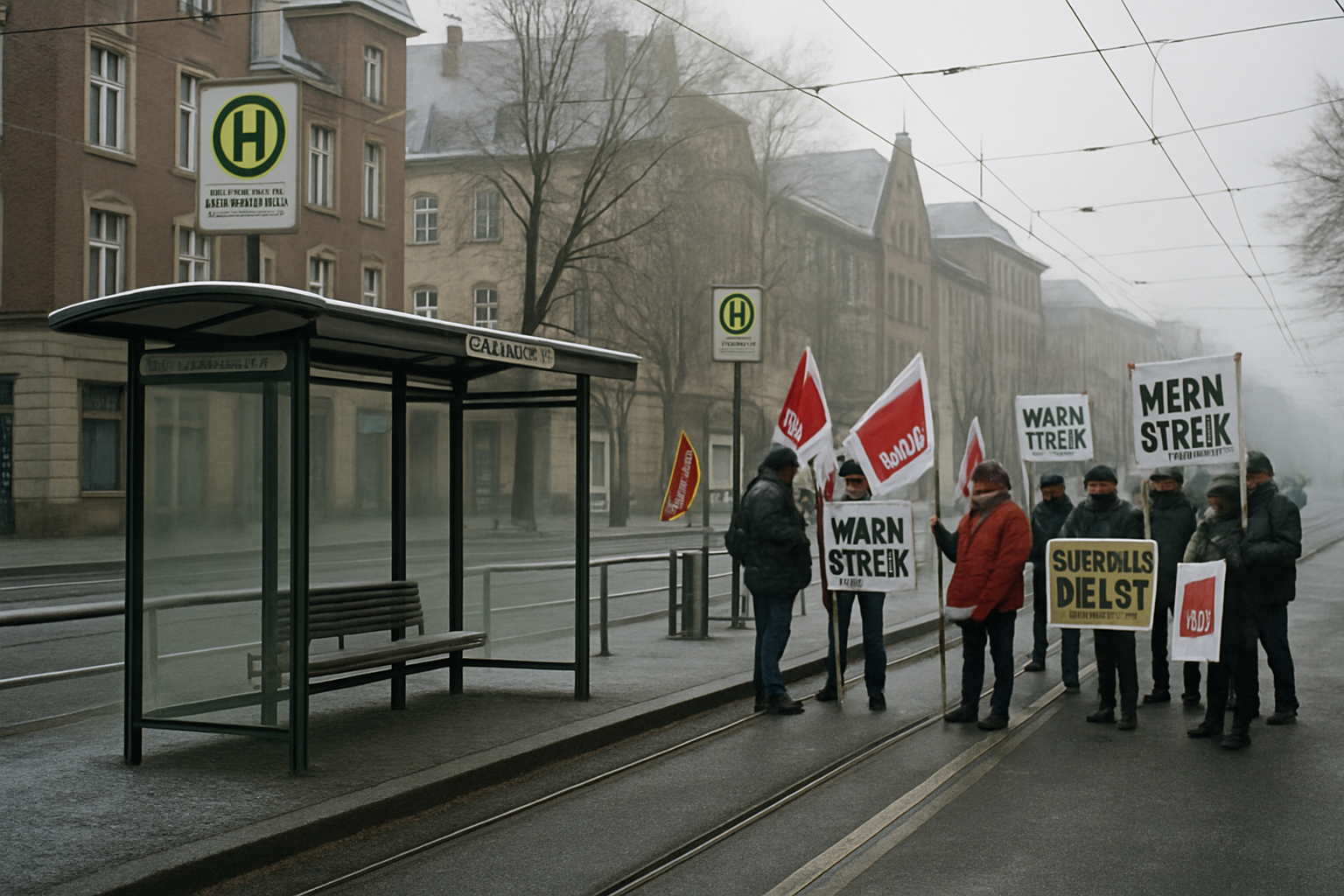
Tens of thousands of public transport workers have brought Germany to a standstill with a massive nationwide strike that began at 3 AM local time on Monday, February 2, 2026, paralyzing bus, tram, and subway services across almost all German states except Lower Saxony.
The strike, organized by the Verdi trade union representing approximately 100,000 workers, comes at a particularly challenging time as freezing temperatures have descended upon the country, forcing commuters to seek alternative transportation methods during one of the harshest winter periods in recent memory.
Workers Demand Historic Pay Increases
The industrial action centers around Verdi's demands for wage increases exceeding 20 percent, marking one of the most ambitious pay rise campaigns in recent German labor history. The union's demands extend beyond salary increases to include shorter work weeks and shifts, longer rest periods, and higher bonuses for night and weekend shifts.
The strike represents a significant escalation in what has become Germany's most contentious wage negotiation round, overshadowing other labor disputes across various sectors. Negotiations between Verdi and municipal and state public transport companies have reached a complete gridlock, prompting the union to resort to widespread industrial action.
"This wage dispute in public transport overshadows other salary rounds. Verdi is striking for an increase of more than 20 percent."
— FAZ Report on German Transport Negotiations
Widespread Disruption Across German Cities
The strike has effectively paralyzed urban transportation networks in major German metropolitan areas. In Dresden, trams operated by the Dresden Transport Company remained parked in depots, leaving thousands of commuters stranded. Similar scenes played out across cities throughout the country as buses, streetcars, and subway systems came to a complete halt.
The timing of the strike coincides with severe winter weather conditions, with many parts of Germany experiencing sub-zero temperatures. This combination has created particularly difficult circumstances for commuters who must now navigate alternative transportation options while dealing with dangerous weather conditions.
The scale of the disruption extends beyond major cities, affecting regional transport networks and connecting services that millions of Germans rely on for their daily commutes. The strike excludes only Lower Saxony, making it one of the most comprehensive transport strikes in recent German history.
International Attention on German Labor Relations
The strike has drawn international attention as a test case for German labor relations and the country's traditionally collaborative approach to industrial negotiations. Critics argue that the current dispute represents a departure from Germany's established model of social partnership between employers and workers.
Commentary in German media suggests that the Verdi strike reflects broader tensions within German society and could signal a shift toward more confrontational labor relations, drawing comparisons to French-style industrial action. This development has raised concerns about the future of Germany's consensus-based approach to workplace negotiations.
Economic and Social Impact
The economic implications of the strike extend far beyond the immediate inconvenience to commuters. With Germany's public transport system serving as a critical infrastructure component for the country's economic activity, the prolonged disruption threatens to impact productivity across multiple sectors.
Small businesses, retail establishments, and service providers that depend on public transport to bring employees and customers to their locations face potential revenue losses. The strike also affects students, elderly citizens, and other vulnerable populations who rely heavily on public transportation for access to essential services.
The wage demands at the center of the dispute reflect broader economic pressures facing German workers amid rising inflation and cost of living concerns. Transport workers argue that their current compensation levels have not kept pace with increased living costs and the essential nature of their services.
Government and Employer Response
Municipal authorities and transport company management have expressed concern about the strike's impact on essential services and public safety, particularly given the severe weather conditions. However, specific details about potential compromise proposals or renewed negotiation schedules have not been immediately forthcoming.
The German government faces pressure to facilitate a resolution that addresses workers' legitimate concerns while maintaining the stability of critical public infrastructure. The outcome of these negotiations could establish precedents for other public sector wage disputes across the country.
Looking Forward
As the strike continues into its initial phases, both sides face mounting pressure to return to the negotiating table. The combination of winter weather conditions, economic disruption, and public inconvenience creates incentives for a swift resolution.
The resolution of this dispute will likely have implications beyond the immediate parties involved, potentially influencing the broader landscape of German labor relations and setting expectations for future public sector negotiations. The strike serves as a significant test of Germany's ability to maintain its collaborative industrial relations model in an era of increasing economic pressures.
Transport workers and union representatives maintain that their demands reflect the essential nature of their services and the need for fair compensation commensurate with their contributions to German society. The coming days will determine whether traditional negotiation approaches can resolve this unprecedented challenge to Germany's public transportation infrastructure.