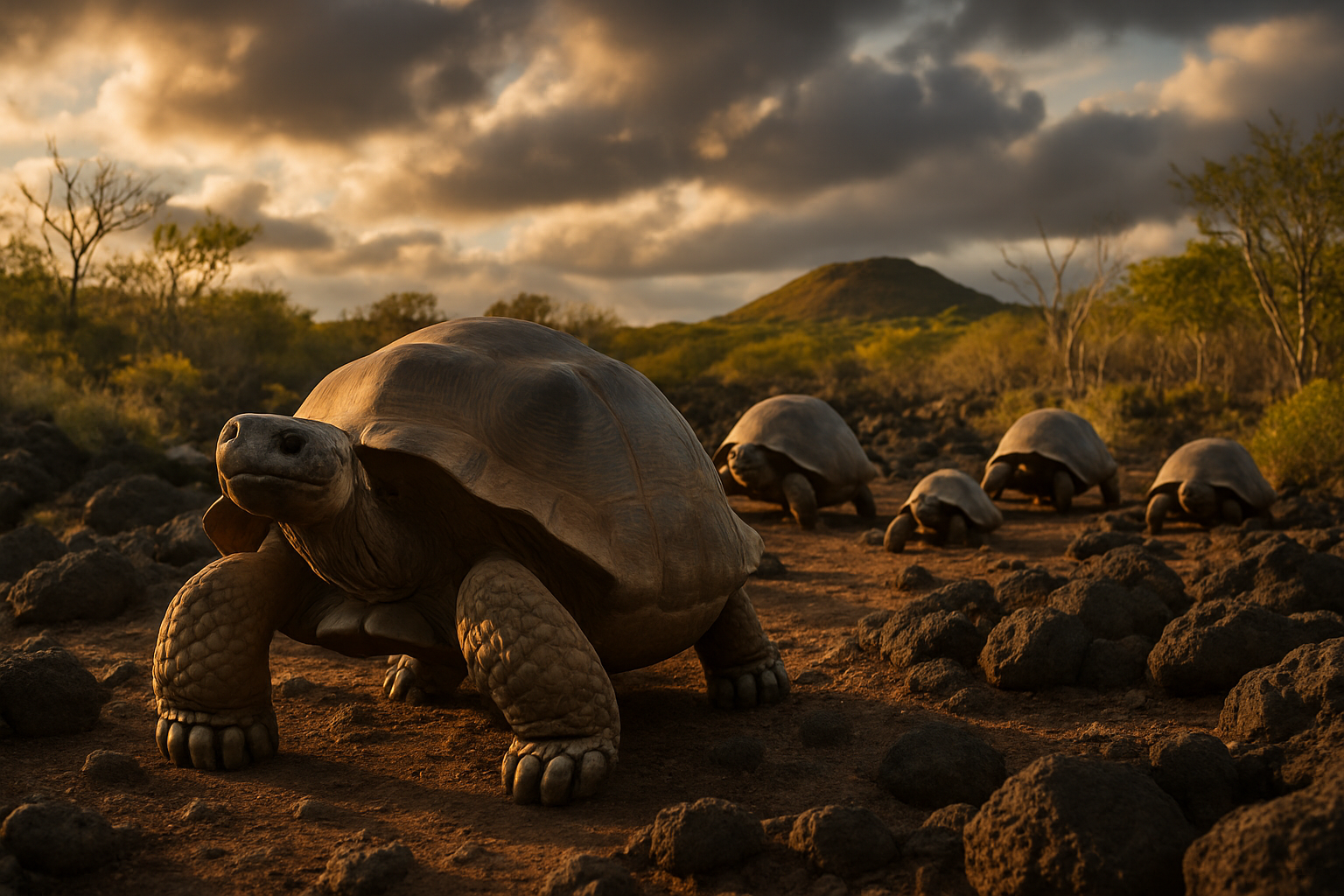
Giant tortoises are roaming the Galápagos island of Floreana for the first time in more than 180 years, in what conservationists have called a "hugely significant milestone" in one of the world's most ambitious species reintroduction programs.
The historic return represents the culmination of decades of scientific planning and international cooperation to restore what was once a thriving ecosystem. Floreana Island, part of Ecuador's UNESCO World Heritage archipelago, originally housed an estimated 20,000 giant tortoises before human exploitation, whaling activities, and devastating fires led to their complete elimination over 150 years ago.
A Complex Restoration Operation
The reintroduction operation required an extraordinary logistical effort, with scientists and forestry officials transporting 158 carefully selected tortoises in specialized containers across seven kilometers of challenging volcanic terrain. The young tortoises, aged between 8 and 13 years, represent the first phase of an ambitious program that plans to introduce 700 tortoises total to the island over the coming years.
Teams ensured careful adaptation to the ancestral habitat through systematic monitoring protocols developed over years of conservation planning. The selection process involved advanced genetic screening to maximize genetic diversity and improve the long-term viability of the restored population.
"This is a hugely significant milestone not just for the Galápagos, but for global conservation efforts. These tortoises are returning home after nearly two centuries of absence."
— Conservation Team Leader
Ecosystem Engineers Return Home
Giant tortoises serve as crucial "ecosystem engineers" through their grazing patterns and seed dispersal activities, fundamentally shaping vegetation communities across the island. The 150+ year absence of these gentle giants created cascading ecological effects that altered the entire island's biodiversity structure, requiring a comprehensive ecosystem approach beyond simple species recovery.
The tortoises' return is expected to gradually restore natural vegetation patterns, create habitat for other species, and re-establish the ecological balance that sustained the island for millennia. Their feeding habits help maintain grasslands, their movement creates pathways for smaller animals, and their droppings fertilize the volcanic soil.
Scientific Innovation Meets Traditional Knowledge
The success of this program represents a sophisticated synthesis of cutting-edge conservation technology with traditional ecological knowledge from local communities. Modern tools including satellite monitoring, environmental DNA tracking, and genetic analysis have been combined with decades of community-based stewardship to ensure the program's success.
Scientists used genetic screening to select tortoises with the greatest genetic similarity to the original Floreana population, while satellite technology enables real-time monitoring of the animals' adaptation to their new environment. Environmental DNA analysis helps track ecosystem changes as the tortoises establish their presence.
Economic and Tourism Benefits
The tortoise reintroduction positions Ecuador as a global leader in conservation science while strengthening the Galápagos eco-tourism sector, which generates substantial revenue supporting both conservation programs and local communities. The program demonstrates how environmental protection can function as an economic development strategy rather than a regulatory burden.
This approach creates opportunities for sustainable employment in conservation, research, and tourism while attracting international visitors interested in witnessing this historic ecological restoration. The economic multiplier effects extend throughout the region, supporting everything from local guides to research facilities.
Global Conservation Context
The Floreana tortoise reintroduction occurs during what experts are calling a "conservation renaissance" in early 2026, with coordinated environmental initiatives spanning multiple continents. From Zimbabwe's successful wildlife DNA forensics to Indonesia's pangolin rescue operations, the global conservation community is demonstrating unprecedented innovation and cooperation.
The success comes during a critical period for environmental action, as January 2026 was confirmed as the hottest month in recorded history, marking the 18th consecutive month of global temperatures exceeding 1.5°C above pre-industrial levels. This context makes conservation victories like the Galápagos program even more significant as examples of effective environmental action.
Challenges and Adaptive Management
The program faces ongoing challenges including climate change impacts that are altering traditional precipitation patterns and creating new stressors for the ecosystem. Rising temperatures and changing weather patterns require adaptive management approaches that can respond to rapidly evolving environmental conditions.
Sustained international cooperation, robust funding mechanisms, and continued technical capacity building remain essential for long-term success. The program's design emphasizes flexibility and responsiveness to ensure conservation goals can be met despite changing conditions.
A Template for Global Conservation
The Floreana tortoise reintroduction provides hope and practical templates for reversing biodiversity loss during what scientists call the sixth mass extinction. The program demonstrates that coordinated scientific effort, community engagement, and international cooperation can restore even severely degraded ecosystems.
Success factors identified include community ownership of conservation goals, integration of traditional and scientific knowledge, economic incentives that make protection financially viable, and transparent governance ensuring accountability to all stakeholders.
Looking Forward
The first phase success sets the stage for continued expansion, with plans to introduce additional tortoises over the coming years until the population reaches sustainable levels. Long-term monitoring will track both individual animal welfare and broader ecosystem recovery indicators.
This historic achievement represents more than species recovery – it demonstrates humanity's capacity to repair damaged ecosystems and restore the natural balance that sustains all life. As these ancient giants once again traverse the volcanic landscapes of their ancestral home, they carry with them the hopes of conservationists worldwide and proof that even the most ambitious restoration dreams can become reality through dedicated effort and international cooperation.