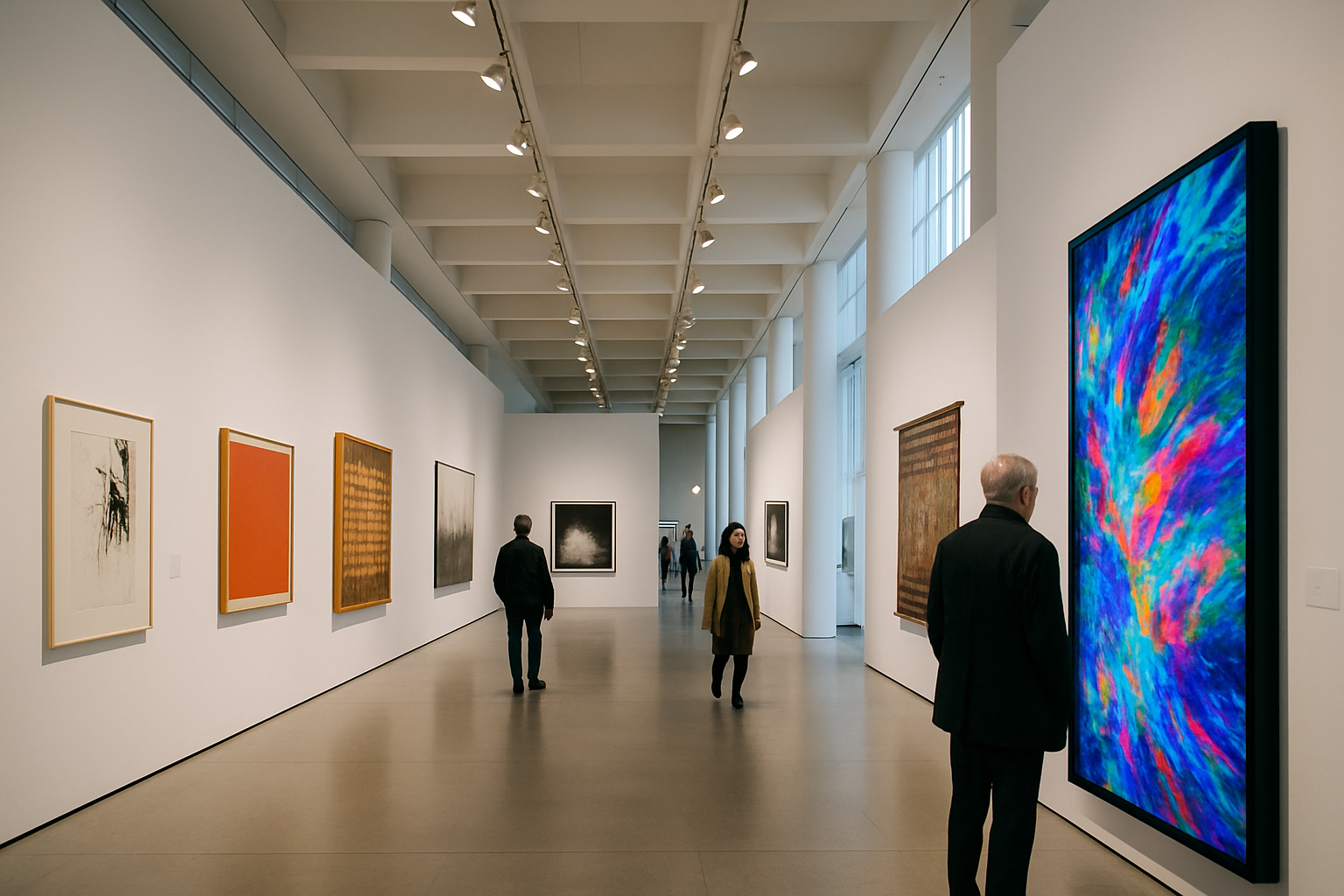
A wave of significant cultural developments across four continents is marking February 2026 as a pivotal month for international artistic collaboration, with new exhibitions and cultural exchange programs launching simultaneously in Azerbaijan, Japan, and Austria.
From poetry exchanges celebrating cross-cultural literary traditions to groundbreaking digital art installations exploring technology's impact on society, these initiatives represent a continuation of the global cultural renaissance that has been building momentum since early 2026.
Azerbaijan Hosts Egyptian-Azerbaijani Poetry Evening
The Egyptian Cultural and Educational Center in Baku became the focal point for a significant cultural exchange event on February 4, featuring a musical and poetic evening dedicated to Egyptian and Azerbaijani poetry. The event, reported by multiple Azerbaijani media outlets, represents the ongoing strengthening of cultural ties between the two nations.
This cultural exchange builds upon Azerbaijan's growing reputation as a hub for international artistic collaboration. The poetry evening highlighted the rich literary traditions shared between Egypt and Azerbaijan, featuring works that explore common themes of heritage, identity, and modern expression.
The event aligns with broader regional cultural initiatives, as Azerbaijan continues to position itself as a bridge between Eastern and Western cultural traditions. Such exchanges are increasingly important in fostering diplomatic relationships through soft power and cultural understanding.
Japan Celebrates 30 Years of 'Ghost in the Shell'
Tokyo's cultural landscape received a major boost with the launch of an expansive exhibition celebrating three decades of the seminal cyberpunk franchise "Ghost in the Shell." The exhibition, designed for maximum visual impact according to The Japan Times, represents one of the most comprehensive retrospectives of the influential anime and manga series.
The "Ghost in the Shell" exhibition marks a significant milestone in Japanese pop culture, showcasing the franchise's evolution from manga to anime to global cultural phenomenon. The cyberpunk series, first created by Masamune Shirow, has influenced countless works of science fiction and continues to resonate with audiences worldwide.
This celebration comes at a time when Japanese cultural exports are experiencing renewed global interest, with anime, manga, and related media reaching unprecedented international audiences. The exhibition demonstrates Japan's commitment to preserving and celebrating its cultural innovations while making them accessible to new generations.
Austria Unveils Mixed-Media Installation on Technology's Impact
Vienna's Museum of Applied Arts (MAK) announced the upcoming opening of "FELIX LENZ. Soft Image, Brittle Grounds," scheduled for February 10, 2026. The mixed-media installation by artist and filmmaker Felix Lenz examines the material and political implications of technological image and knowledge production.
Lenz's work addresses critical questions about how digital technologies shape our understanding of reality and influence political discourse. The installation represents a sophisticated artistic response to the increasing digitization of cultural and social life, exploring the tensions between technological advancement and human agency.
The MAK's decision to showcase this work reflects Austria's commitment to supporting contemporary artists who engage with pressing social and technological issues. The exhibition promises to provide visitors with new perspectives on the role of technology in shaping modern culture and politics.
Continuing Global Cultural Renaissance
These February developments build upon a remarkable period of cultural activity that began in early 2026. Previous initiatives have included major exhibitions at Qatar's Museum of Islamic Art featuring Afghan heritage, international recognition for Central American digital artists, and significant investments in African creative industries.
The pattern of simultaneous cultural activities across multiple continents suggests a coordinated effort to strengthen international cultural cooperation. This trend has been particularly notable in heritage preservation initiatives, with countries increasingly collaborating to protect and celebrate diverse cultural traditions.
"Cultural institutions worldwide are recognizing the importance of international collaboration in preserving heritage while encouraging innovation."
— Analysis from February 2026 cultural monitoring
Technological Integration and Traditional Arts
A common thread running through these cultural developments is the integration of traditional artistic forms with contemporary technology. From the digital elements in the "Ghost in the Shell" exhibition to the technological focus of Lenz's installation, cultural institutions are increasingly exploring how traditional and digital art forms can complement each other.
This synthesis represents a significant shift in how cultural institutions approach programming and exhibition design. Rather than treating digital and traditional arts as separate categories, museums and cultural centers are finding ways to create meaningful dialogues between different artistic mediums.
The poetry evening in Baku also reflects this trend, as cultural exchange programs increasingly utilize digital platforms to enhance in-person events and extend their reach to global audiences through streaming and social media integration.
Economic and Diplomatic Implications
These cultural initiatives carry significant economic and diplomatic implications beyond their artistic value. Cultural exchange programs have proven effective in strengthening bilateral relationships, while major exhibitions can significantly boost tourism and local economic activity.
The timing of these events also suggests strategic coordination, as countries seek to leverage cultural programming to enhance their international standing and attract global attention. This soft power approach to diplomacy has become increasingly important in contemporary international relations.
For cultural institutions, these collaborations provide opportunities to access new audiences, share resources, and participate in global conversations about art, technology, and society. The success of such programs often depends on their ability to balance local cultural authenticity with international appeal.
Looking Forward
As February 2026 continues, additional cultural announcements are expected from institutions worldwide. The current momentum suggests that cultural cooperation will remain a priority for governments and institutions seeking to foster international understanding and celebrate human creativity.
These developments also highlight the resilience of cultural institutions in adapting to changing global circumstances while maintaining their core mission of preserving and promoting artistic expression. The diversity of programming—from traditional poetry to cutting-edge digital art—demonstrates the breadth of contemporary cultural activity.
The success of these initiatives will likely influence future cultural programming decisions and could establish new models for international artistic collaboration. As the world continues to navigate complex global challenges, culture remains a powerful force for bringing people together and fostering mutual understanding.