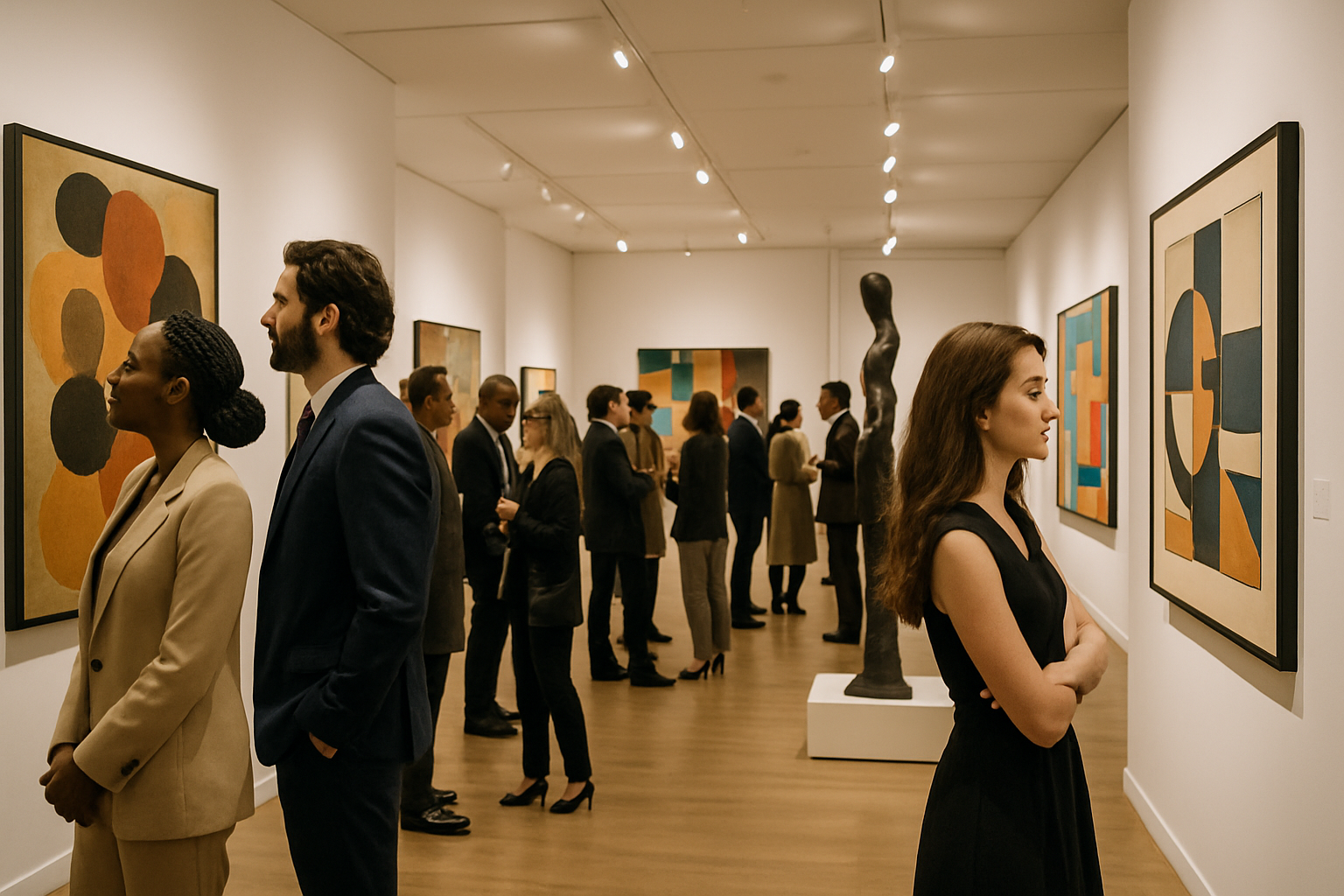
An unprecedented wave of cultural events spanning from Colombia's historic flower exhibitions to Denmark's record-breaking art sales is reshaping the global arts landscape, as nations worldwide invest in cultural infrastructure with remarkable coordination and innovation.
From the controversial return of Russia to the Venice Biennale to Saint Vincent's inaugural Literary Arts Festival, March 2026 marks a pivotal moment in international cultural cooperation. Our investigation reveals how seven countries are simultaneously launching major cultural initiatives, suggesting a coordinated global renaissance in arts and heritage preservation.
Colombia's Floral Cultural Revolution
Cartagena's ancient colonial walls will soon bloom with extraordinary beauty as "Donde florece el tiempo" (Where Time Flowers) prepares to transform the four-century-old fortifications during Holy Week. This large-scale floral exhibition promises to interweave contemporary botanical artistry with Colombia's rich colonial heritage, creating what organizers describe as a dialogue between nature and history.
The exhibition represents more than mere decoration—it exemplifies how Latin American cities are leveraging cultural programming to enhance international tourism while celebrating authentic local traditions. Cartagena's approach demonstrates how historic preservation and contemporary artistic expression can mutually reinforce each other, creating sustainable cultural tourism models.
Venice Biennale Diplomatic Storm
Italy faces mounting international pressure as controversy erupts over Russia's first invitation to participate in the Venice Biennale since 2022. The decision has sparked fierce debate, with Ukraine condemning what it calls Russia's use of "culture for political influence."
The dispute highlights culture's increasingly complex role in international diplomacy. Venice, traditionally neutral ground for artistic expression, now finds itself at the center of geopolitical tensions. Cultural institutions worldwide are grappling with similar dilemmas: How do they maintain artistic freedom while addressing legitimate concerns about cultural diplomacy during conflicts?
"Cultural events serve multiple functions beyond entertainment—they're infrastructure for community development, international cooperation, and heritage preservation."
— Cultural Policy Expert
Literary Excellence Across Borders
Portugal celebrates a major literary achievement as Angolan writer Paulo Campos wins the 7th dstangola/Camões Literary Prize with unanimous jury selection for "111 Sonetos Novembrinos." The recognition demonstrates how Portuguese-language literature continues to bridge continents, fostering cultural connections between Europe, Africa, and the Americas.
Meanwhile, Saint Vincent and the Grenadines launches its inaugural Literary & Arts Festival at the University of the West Indies Global Campus, bringing together local writers, artists, and performers for three days of cultural celebration. The festival exemplifies how smaller nations are creating sophisticated cultural programming to enhance their international cultural profile.
Caribbean Cultural Innovation
The Caribbean region is experiencing unprecedented cultural innovation. Saint Lucia makes history as cyclist Denver Alphonse Jr. becomes the first athlete from his country to have his National Championship jersey displayed at Belgium's KOERS Museum of Cycling. This milestone represents how sports achievements can transcend athletic boundaries to become cultural diplomacy successes.
Northern European Art Market Developments
Denmark witnesses remarkable art market activity with a flower painting by celebrated author Karen Blixen selling for 240,000 kroner. The sale demonstrates growing international recognition of Scandinavian artistic heritage beyond literature, with collectors increasingly valuing works by multidisciplinary creative figures.
Karen Blixen, best known internationally for "Out of Africa," represents the phenomenon of literary figures whose visual artworks gain recognition posthumously. This trend suggests collectors and institutions are taking more holistic approaches to cultural figures' legacies.
Romanian Cultural Heritage Crisis
Romania's National "George Enescu" Museum faces scrutiny as two expert commissions investigate the storage conditions of heritage objects kept in containers for over four years. The Ministry of Culture's investigation highlights ongoing challenges facing cultural institutions in preserving national patrimony while managing limited resources.
The situation underscores broader issues affecting cultural preservation worldwide: aging infrastructure, inadequate funding, and the urgent need for modernized conservation facilities. Romania's transparent approach to addressing these challenges may serve as a model for other nations facing similar preservation crises.
Technology Meets Tradition
Across these diverse cultural initiatives, a consistent pattern emerges: sophisticated integration of digital technology with traditional cultural practices. From virtual museum tours to social media promotion of local festivals, institutions are discovering that technology can amplify rather than replace authentic cultural expression.
This synthesis approach contrasts sharply with earlier fears that digitization would diminish traditional cultural experiences. Instead, evidence suggests that thoughtful technology integration can enhance accessibility while preserving cultural authenticity.
Economic Impact and Sustainability
The economic dimensions of this cultural renaissance extend far beyond immediate ticket sales or tourism revenue. Countries investing in comprehensive cultural programming report substantial multiplier effects through:
- Enhanced international reputation and diplomatic soft power
- Creative industry employment and skill development
- Educational partnerships and academic exchanges
- Long-term tourism infrastructure development
- Community resilience and social cohesion
Global Coordination and Local Authenticity
Perhaps most remarkably, these developments appear to represent unprecedented coordination in international cultural programming. While each initiative reflects distinct local traditions and circumstances, the timing and sophistication suggest deliberate cooperation among cultural institutions worldwide.
This coordination doesn't diminish local authenticity—rather, it enables smaller nations and regions to compete effectively in global cultural markets while maintaining their distinctive identities. The template emerging from March 2026 may influence international cultural cooperation for years to come.
"We're witnessing culture being positioned as strategic infrastructure, equivalent to transportation or communication systems in terms of community development importance."
— International Cultural Development Analyst
Challenges and Future Implications
Despite remarkable successes, significant challenges persist. Climate change threatens outdoor cultural programming and historic preservation. Economic pressures limit young people's engagement with traditional arts. Balancing global visibility with local authenticity requires constant vigilance.
However, the solutions emerging from this cultural renaissance suggest sustainable paths forward. Community leadership combined with international resource sharing, technology integration that enhances rather than replaces human connections, and economic models that serve communities rather than just institutions appear to be winning formulas.
The Broader Renaissance Context
These March 2026 developments continue the "February 2026 Cultural Renaissance" documented across multiple continents. From Asian heritage exhibitions to African creative industry investments, from European museum innovations to American literary festivals, the global cultural sector appears to be experiencing a watershed moment.
Success factors consistently identified include authentic community engagement, strategic technology integration, sustainable economic models, and international cooperation that respects local distinctiveness while enabling resource sharing. These principles may define 21st-century cultural stewardship approaches.
Looking Forward
As these seven countries demonstrate remarkable cultural innovation and cooperation, they're establishing precedents that may influence global cultural policy for decades. The balance they're achieving between preserving heritage and embracing contemporary innovation, maintaining local authenticity while engaging international audiences, and serving community needs while achieving economic sustainability provides a template for cultural development worldwide.
The evidence suggests that this cultural renaissance represents more than temporary coordination—it may signal fundamental transformation in how communities worldwide understand culture's role in human flourishing, international cooperation, and sustainable development. The seeds planted in March 2026 may bloom into lasting change in how humanity preserves, celebrates, and shares its diverse cultural heritage.