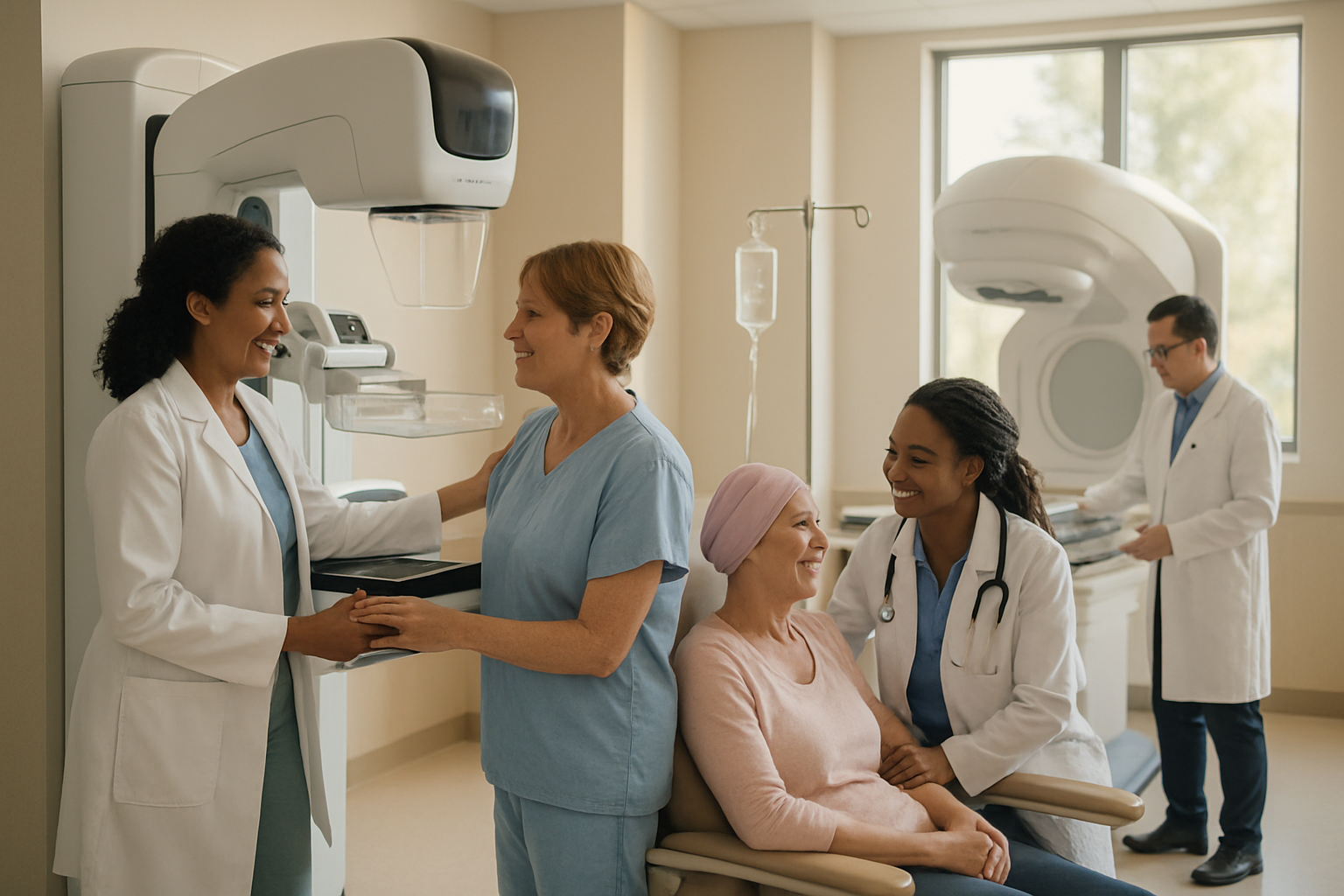
A coordinated global effort to combat cancer is emerging across multiple continents, as nations from Antigua to Tanzania launch comprehensive awareness campaigns and expand treatment facilities in response to mounting healthcare challenges and new scientific evidence showing that four out of ten cancer cases could be prevented.
The initiatives, coinciding with World Cancer Day 2026's "United by Unique" theme, represent the most significant international mobilization against cancer in recent years. From legislative breakthroughs to infrastructure development, countries are implementing multi-pronged strategies that emphasize early detection, patient-centered care, and preventive medicine.
Legislative and Policy Breakthroughs
Ecuador has taken the most dramatic legislative action, with the National Assembly approving groundbreaking cancer mortality reduction legislation. The new law comes in response to alarming statistics showing cancer claimed more than 14,000 lives in Ecuador in 2024, positioning it as one of the nation's leading causes of death according to INEC data.
The Ecuadorian legislation represents a "vanguard normative" approach designed to transform critical oncological mortality figures, focusing on breast, prostate, stomach, colorectal, and cervical cancers—the country's highest incidence types.
In India, Chief Minister Yogi Adityanath is pushing accessible cancer treatment across Uttar Pradesh, implementing state-wide initiatives to ensure rural and underserved populations have access to quality oncological care. This effort addresses the significant healthcare access gaps that have historically left millions without proper cancer treatment options.
International Recognition and Regional Hub Development
Tanzania is rapidly emerging as a regional cancer treatment powerhouse, earning commendation from the International Atomic Energy Agency (IAEA). During a high-level visit to Benjamin Mkapa Hospital in Dodoma, IAEA Division for Africa Head Gashaw Wolde praised Tanzania's "exceptional commitment to advancing nuclear science and medical technology."
"The observation we made today clarifies your vision to serve Eastern Africa with advanced oncology services. This is a big, deserving and highly commendable ambition, and we express our strongest support for what Tanzania is doing."
— Gashaw Wolde, IAEA Division for Africa Head
The IAEA assessment positions Tanzania as a future regional oncology hub capable of serving Eastern Africa with advanced cancer treatment services, representing a significant shift in the continent's healthcare landscape.
Early Detection and Prevention Focus
The global campaign emphasizes early detection as the cornerstone of successful cancer treatment. Nigeria's First Lady Nonye Soludo has been particularly vocal about this approach, emphasizing that "early cancer detection is key" and urging routine screenings combined with healthy lifestyle choices.
In Antigua and Barbuda, the Sir Lester Bird Medical Centre joined the global community in marking World Cancer Day under the "United by Unique" theme, which recognizes that while no two cancer experiences are identical, patients share common needs for quality care and early intervention.
The Maldives announced plans to begin construction on a specialized Cancer Diagnostic Centre by mid-year, representing a major advancement in the nation's healthcare infrastructure. This development addresses previous gaps in cancer detection capabilities and ensures island populations have access to modern diagnostic services.
Research and Innovation Breakthroughs
Significant research developments are supporting the global awareness initiatives. France 24's coverage of World Cancer Day highlighted breakthroughs in pancreatic cancer research, with Professor Lars Henning Milman Engelholm from the University of Copenhagen describing "a seismic shift underway in pancreatic cancer research" resulting from a decade-long commitment to translational science.
Greece focused on thyroid cancer awareness, emphasizing that this "silent cancer" can be effectively treated when detected early. The campaign highlighted that patients can continue normal lives after treatment, including family activities, work, and exercise.
These developments build on recent medical breakthroughs including Australia's world-first mRNA brain cancer vaccine trial for children and Finland's same-day laser brain tumor treatment, which have transformed treatment paradigms globally.
Addressing Healthcare System Challenges
The initiatives come amid broader healthcare system pressures. Uganda faces particular challenges with late diagnosis driving high cancer mortality rates, according to Dr. Bogere from the Uganda Cancer Institute. The country confronts a "growing and deeply troubling cancer burden that continues to claim tens of thousands of lives each year, largely due to late diagnosis and limited access to timely treatment."
Oman's Cancer Association marked World Cancer Day with educational sessions highlighting contemporary advancements in oncology treatment and the importance of healthy lifestyle choices in mitigating disease risk. The organization showcased "Dar Al Hanan," a humanitarian initiative providing comprehensive care for children with cancer and their families for fifteen years.
Global Context and Prevention Opportunities
The awareness campaigns align with World Health Organization research published in Nature journal confirming that 40% of cancer cases globally are preventable through lifestyle modifications and public health measures. The comprehensive study analyzed data from 185 countries, identifying tobacco use, alcohol consumption, obesity, air pollution, and infections as primary modifiable risk factors.
This scientific foundation provides countries with evidence-based strategies for prevention-focused approaches. The WHO research particularly emphasizes tobacco as the most significant preventable risk factor, especially for lung cancer.
Economic and Social Impact
The initiatives address not only health outcomes but also economic impacts. Countries are recognizing cancer treatment costs as a significant economic burden requiring comprehensive prevention strategies alongside treatment improvements.
The coordinated approach reflects lessons learned from recent global health challenges, with countries implementing integrated strategies that combine prevention, early detection, and treatment access rather than addressing these elements in isolation.
Future Outlook and International Cooperation
The global cancer awareness revolution represents a shift toward preventive healthcare strategies supported by international cooperation and knowledge sharing. Countries are adapting global best practices to local contexts while maintaining focus on evidence-based interventions.
The emphasis on "United by Unique" reflects recognition that while each patient's journey is individual, systematic approaches to prevention, detection, and treatment can benefit entire populations. This balance between personalized care and public health strategy appears to be driving the most effective initiatives.
As these programs expand through 2026, their success will likely depend on sustained political commitment, adequate funding, and continued international cooperation in sharing research findings and treatment innovations. The current momentum suggests a significant opportunity to reduce global cancer mortality through coordinated prevention and treatment strategies.