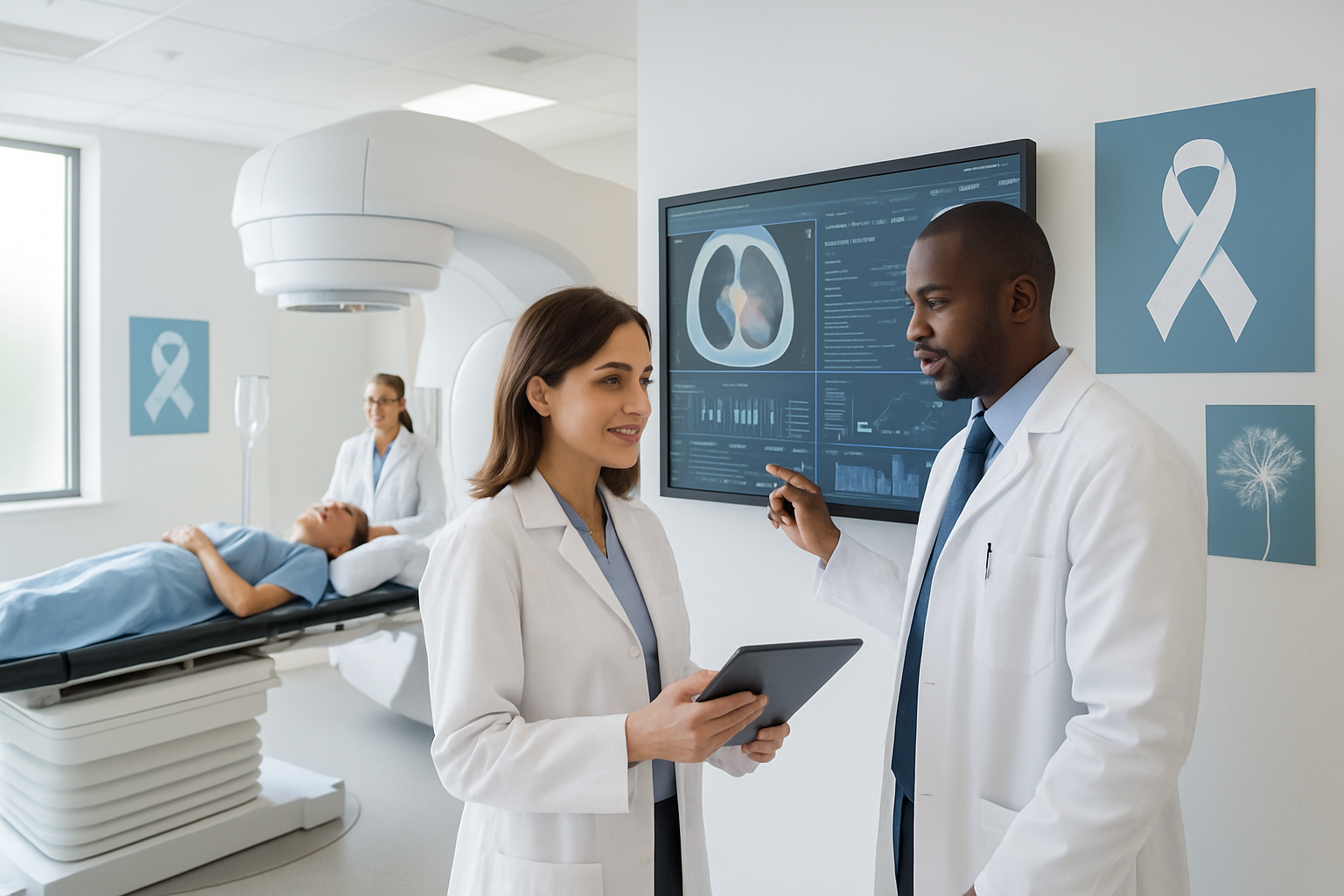
A groundbreaking World Health Organization study reveals that four out of every ten cancer cases worldwide could be prevented through lifestyle changes and public health measures, as governments simultaneously launch ambitious treatment plans to dramatically improve survival rates over the next decade.
The comprehensive analysis, published by the WHO's International Agency for Research on Cancer (IARC) and featured in Nature journal, examined data from 185 countries to evaluate the impact of 30 modifiable risk factors. The findings come as countries grapple with rising cancer incidences and escalating treatment costs, with someone now diagnosed with cancer every 75 seconds in the United Kingdom alone.
Prevention: The Most Powerful Weapon Against Cancer
According to the WHO study, tobacco use emerges as the single largest preventable risk factor, particularly for lung cancer. The research identifies alcohol consumption, obesity, air pollution exposure, and certain infections as other major contributors to the global cancer burden.
"Nearly 20 million new cancer cases were diagnosed globally in 2022, with 9.7 million deaths," said Dr. Shazia Fatima, Director General of NMO Directorate at Pakistan Atomic Energy Commission. "The most commonly diagnosed cancers worldwide include breast, lung, colorectal, prostate, and stomach cancers, with lung cancer being the deadliest."
The study reveals significant regional variations in prevention potential. While developed countries focus primarily on lifestyle factors, other regions must address infection-related cancers through vaccination programs and improved healthcare infrastructure.
Regional Cancer Challenges and Solutions
In Pakistan, the situation is particularly concerning for specific cancer types. Dr. Nabila Javed, Director of Dera Ismail Khan Institute of Nuclear Medicine and Radiotherapy, notes that "Pakistan has the highest incidence of breast cancer among South Asian countries, with approximately one in every nine women having a lifetime risk of developing the disease."
The country diagnoses around 90,000 new breast cancer cases annually, with more than 70% identified at advanced stages due to cultural barriers, lack of awareness, and limited screening access. Similarly, oral cavity cancer presents a major challenge, with Dr. Sadiq Hussain Nohario reporting that Asia recorded 258,440 cases in 2022, followed by Europe with 62,073 cases.
Revolutionary Treatment Advances
While prevention remains crucial, treatment innovations are transforming cancer care. The United Kingdom has announced an ambitious plan backed by £2 billion in NHS investment, aiming for three-quarters of cancer patients to survive by 2035.
Currently, cancer is the UK's biggest killer, causing about one in four deaths. Survival rates lag behind several European countries, including Romania and Poland, with three-quarters of NHS hospital trusts currently failing to meet cancer treatment targets.
"Three in four cancer patients in England will beat cancer under government plans to raise survival rates, as figures reveal someone is now diagnosed every 75 seconds in the UK."
— The Guardian Health Report, February 2026
The plan emphasizes earlier diagnosis and faster treatment, though experts express concerns about staffing shortages that could hinder implementation. The initiative represents one of the most comprehensive national cancer strategies ever launched.
Global Investment in Cancer Infrastructure
Countries worldwide are recognizing cancer treatment as both a humanitarian imperative and economic necessity. In Pakistan alone, healthcare systems are expanding nuclear medicine capabilities through the Pakistan Atomic Energy Commission's network of facilities.
The economic burden is staggering. Jordan faces annual cancer treatment costs of 250 million dinars, with lifestyle-related cancers comprising 25% of male cases. This financial pressure is driving increased focus on prevention strategies as cost-effective interventions.
The Role of Technology in Cancer Care
Recent medical breakthroughs are revolutionizing treatment approaches. Australia has launched the world's first mRNA brain cancer vaccine trial for children, adapting COVID-19 vaccine technology for personalized cancer treatment. This represents a significant expansion of mRNA technology beyond infectious diseases.
Meanwhile, advanced imaging and surgical techniques are enabling same-day treatments for certain procedures, reducing patient burden and healthcare costs. Finland's Tampere University Hospital recently introduced laser brain tumor treatment that allows patients to return home the same day.
Environmental Factors and Cancer Risk
The WHO study particularly emphasizes environmental risk factors, including air pollution exposure. This finding aligns with growing concerns about environmental contamination and its health impacts.
Recent investigations have revealed widespread exposure to "forever chemicals" (PFAS) in consumer products and banned pesticide residues in food imports, highlighting the complex relationship between environmental protection and cancer prevention.
Economic Impact and Healthcare Planning
The financial implications of cancer care are driving policy changes worldwide. With treatment costs escalating and case numbers rising, prevention programs are increasingly viewed as essential investments rather than optional public health measures.
Dr. Assem Mansour from Jordan's King Hussein Cancer Center emphasizes that lifestyle-related cancers represent a significant portion of the burden, suggesting that targeted prevention campaigns could yield substantial economic returns alongside health benefits.
Future Outlook: Prevention and Treatment Integration
The convergence of prevention research and treatment advances suggests a more integrated approach to cancer control is emerging. Countries are developing comprehensive strategies that combine:
- Tobacco control and alcohol regulation policies
- Obesity prevention and nutritional education programs
- Environmental protection measures
- Enhanced screening and early detection systems
- Advanced treatment technologies and infrastructure
The WHO findings provide a roadmap for this integrated approach, emphasizing that prevention and treatment are complementary rather than competing strategies. As healthcare systems worldwide face increasing pressure from aging populations and rising cancer rates, this dual approach offers hope for both reducing incidence and improving outcomes.
The success of these initiatives will depend on sustained political commitment, adequate funding, and international cooperation. With cancer affecting millions globally and representing one of the leading causes of death, the stakes could not be higher for implementing these evidence-based strategies effectively.