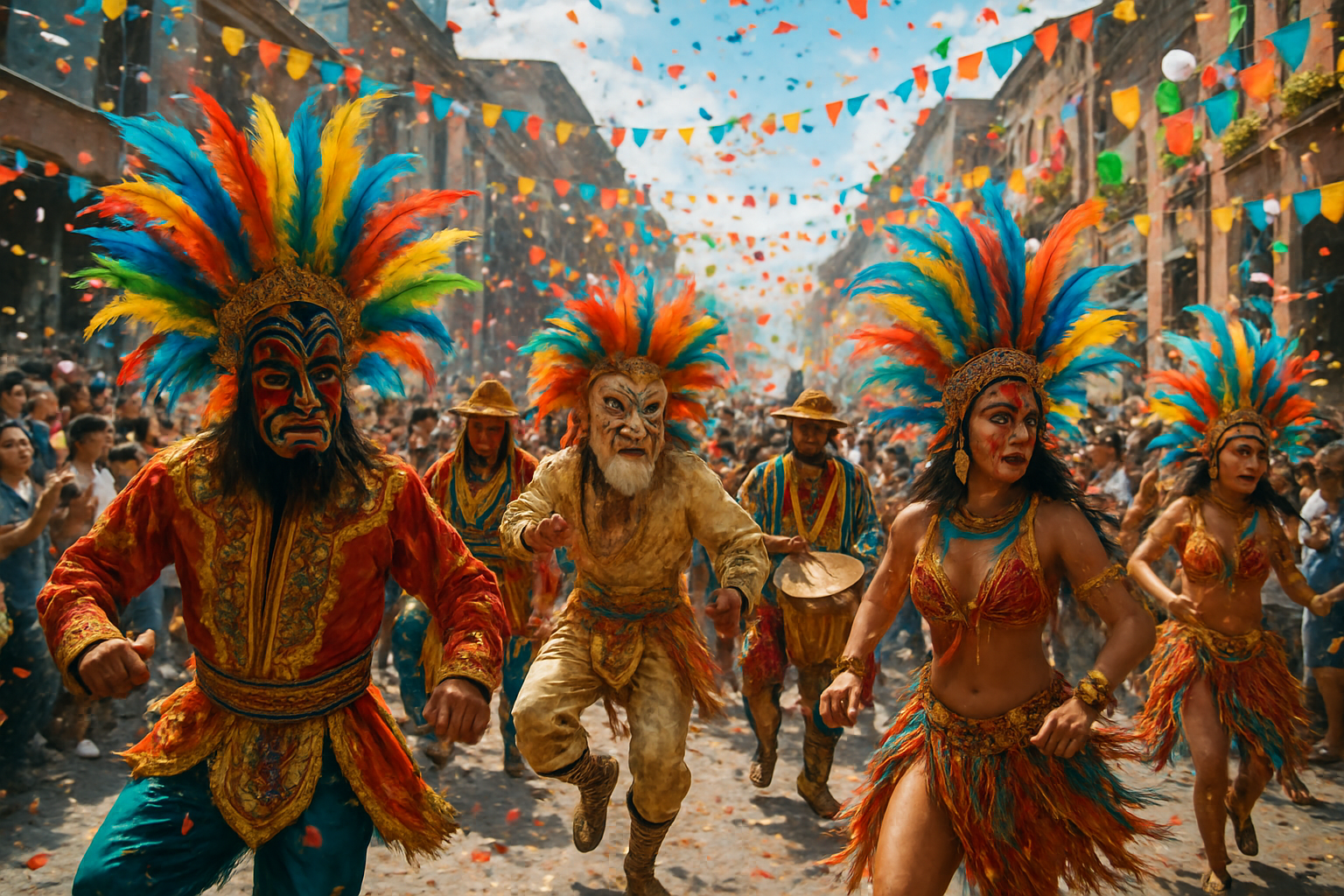
Carnival celebrations across multiple continents have reached unprecedented scale and cultural significance in 2026, with millions of participants from Brazil to Colombia, Malta to Bolivia transforming city streets into vibrant displays of traditional artistry, music, and community unity amid a global cultural renaissance.
The world's largest carnival celebrations are occurring simultaneously across Latin America and Europe, demonstrating the enduring power of traditional festivals to unite communities while adapting to contemporary challenges including weather disruptions and evolving cultural expressions.
Brazil Sets New Records Amid Global Participation
Rio de Janeiro continues to dominate global carnival attention, with city officials expecting approximately six million revelers to participate in the iconic street festivities. The celebration has evolved beyond its traditional boundaries, now featuring unique attractions including dogs joining parade formations, reflecting the festival's increasing inclusivity and creative adaptation.
São Paulo, Belo Horizonte, Recife, and Salvador have joined Rio in creating a nationwide celebration that temporarily suspends normal life until Wednesday. The scale is extraordinary, with President Luiz Inácio Lula da Silva participating in Recife's traditional "Galo da Madrugada" parade alongside First Lady Rosângela "Janja" da Silva, demonstrating the celebration's political and cultural significance.
"The carnival started full of energy and joy. Salvador demonstrated why it's Brazil's cultural capital,"
— Festival Organizer, Salvador Carnival Committee
The economic impact extends far beyond entertainment, with carnival generating substantial tourism revenue and supporting thousands of jobs in costume production, music performance, venue management, and hospitality services throughout the celebration period.
Colombia's Barranquilla: UNESCO Heritage Meets Innovation
Colombia's Barranquilla Carnival has achieved remarkable integration of traditional and contemporary elements in 2026. The festival's "Batalla de Flores" (Battle of Flowers) opened with special tribute to literary giant Gabriel García Márquez, demonstrating how cultural celebrations can honor intellectual heritage alongside artistic expression.
This year's celebration features several groundbreaking innovations, including a dedicated "zona de bienestar" (wellness zone) providing rest areas, hydration stations, medical supervision, and general care for performers during the demanding festivities. The initiative represents growing attention to participant welfare and dignified treatment of cultural artists.
The "Gran Parada de Tradición 2026" specifically celebrates paloteo dances, among the oldest and most representative expressions of Colombian Caribbean culture. International participation includes the Saxon Sound System from London's Notting Hill Carnival, bringing reggae, dancehall, and Afro-Caribbean rhythms to create unprecedented cross-cultural musical fusion.
European Carnival Adaptations
European celebrations face distinct challenges, with Malta's carnival festivities continuing despite adverse weather conditions. Political leader Alex Borg toured weekend festivities, praising organizers and volunteers for their dedication to preserving carnival traditions "even in difficult circumstances."
Portugal's Mealhada experienced weather-related disruptions, with organizers postponing the carnival parade featuring actor and presenter João Baião as king due to severe weather conditions. The cancellation highlights climate adaptation challenges facing outdoor cultural events across Europe.
France's carnival coverage focuses on international participation, particularly documenting Brazil's Rio celebration as "the world's biggest street party" taking over Rio de Janeiro's heart with millions of participants creating extraordinary urban transformation.
Bolivia's Community-Centered Celebrations
Bolivia's Cochabamba demonstrates carnival's community-building power through its traditional "Corso Infantil" (Children's Parade), featuring hundreds of young participants in creative costumes, dance troupes, and musical performances. The event transforms city centers into family-friendly celebrations emphasizing cultural identity transmission across generations.
Municipal authorities emphasize that children's carnival events serve as "fundamental spaces for strengthening cultural identity from childhood," ensuring traditional knowledge and artistic expression continue through intergenerational participation and community involvement.
The celebration route expanded from Plaza Colón to Puente Antezana, allowing increased family participation and community engagement while maintaining authentic cultural expression through folk dances, contemporary music, and creative costume displays.
Cultural Preservation Meets Modern Innovation
Across all celebrations, 2026 carnival season demonstrates successful synthesis of cultural preservation with technological and social innovation. Traditional elements including historical costume designs, regional music styles, and ceremonial practices maintain authenticity while incorporating contemporary creativity.
Digital technology enhances rather than replaces traditional carnival experiences, with social media enabling global sharing of local celebrations while maintaining community ownership and authentic cultural expression. International media coverage creates informal cultural exchange opportunities building understanding across different societies.
"We continue working to preserve carnival traditions while embracing innovation that enhances rather than compromises our cultural authenticity,"
— Cultural Ministry Representative, Bolivia
Economic and Social Impact
The economic significance extends beyond immediate tourism revenue, supporting year-round employment in carnival-related industries including costume creation, musical instrument production, venue preparation, and cultural education programs that maintain traditional knowledge.
Community participation transcends entertainment, serving multiple social functions including heritage preservation, intergenerational dialogue, economic development, and cultural diplomacy that positions participating regions as attractive cultural destinations on the global stage.
Weather Challenges and Adaptation Strategies
Climate variability has required significant adaptation strategies across carnival celebrations. While some European events faced postponements due to severe weather, organizers demonstrate remarkable resilience in maintaining cultural continuity despite meteorological challenges.
South American celebrations benefit from summer timing, though organizers increasingly implement contingency planning for extreme weather events, ensuring participant safety while preserving festival integrity and community participation opportunities.
International Cultural Exchange
The 2026 carnival season exemplifies successful international cultural cooperation, with London's Notting Hill Carnival contributing artists to Colombia's Barranquilla celebration, creating authentic cross-cultural artistic dialogue that enriches both traditions without compromising local identity.
These exchanges demonstrate carnival's capacity to serve as cultural diplomacy platform, building international understanding through shared artistic expression while maintaining distinctive regional characteristics and community ownership of traditional celebrations.
Looking Forward: Sustainable Celebration Models
The success of 2026 carnival celebrations provides templates for sustainable cultural festival development that balances economic benefits with community welfare, environmental responsibility, and authentic cultural expression preservation.
Key success factors include community leadership, international cooperation supporting rather than overwhelming local traditions, economic viability through cultural tourism, and adaptive management capabilities addressing climate and social challenges while maintaining celebration integrity.
As carnival season 2026 continues across global communities, these celebrations demonstrate humanity's remarkable capacity for joy, creativity, and cultural connection that transcends geographic boundaries while honoring distinctive local heritage and artistic traditions that define community identity in an increasingly interconnected world.