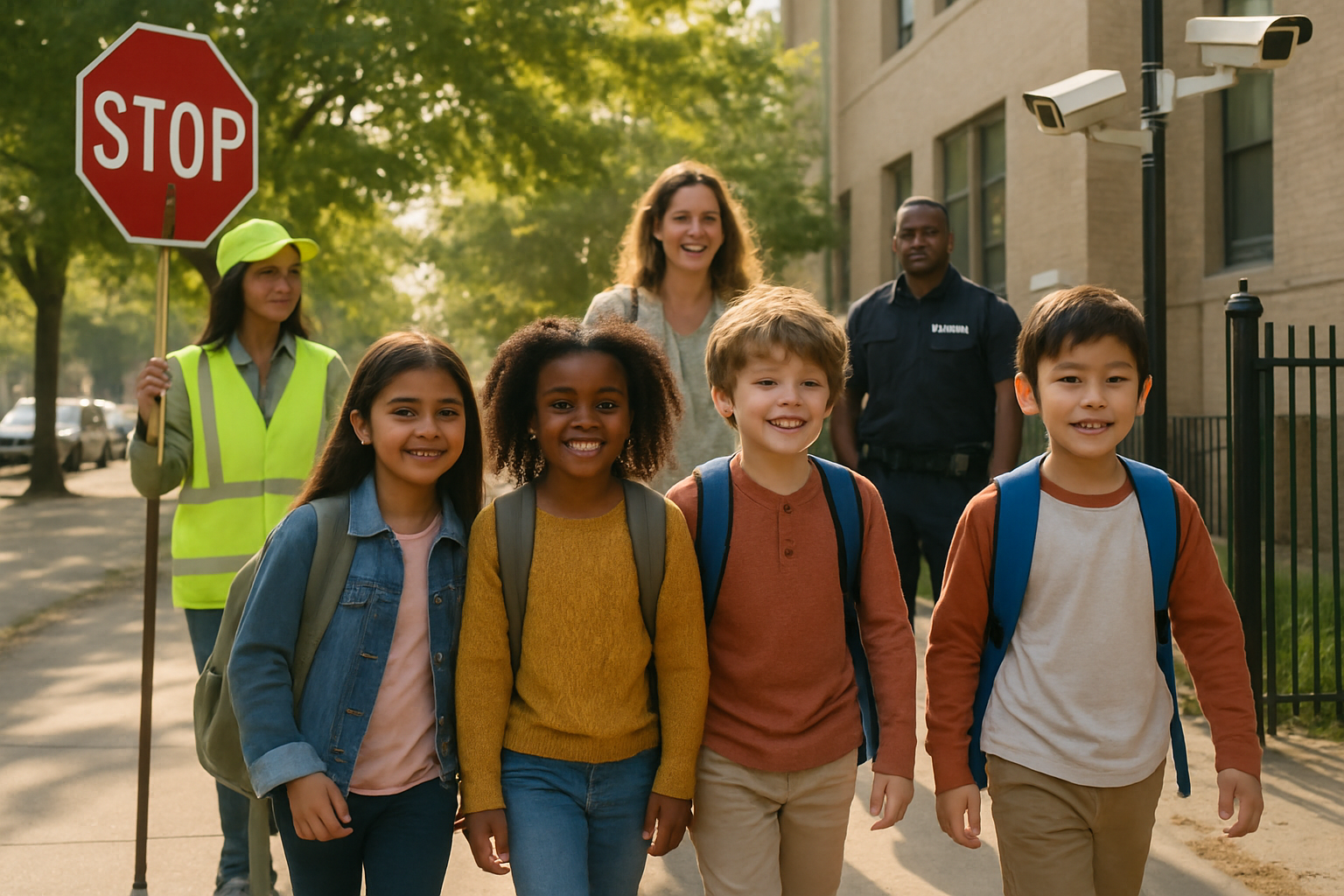
The heroic actions of a 12-year-old student who pulled two classmates to safety during the deadly Tumbler Ridge shooting have illuminated both the courage of children and the systemic failures that continue to endanger them worldwide, as new incidents across multiple continents demonstrate the urgent need for comprehensive reform of child protection systems.
More than a month after the February 10, 2026 mass shooting that killed eight people in Tumbler Ridge, British Columbia, stories of extraordinary bravery are emerging from one of Canada's darkest educational tragedies. Conservative MP Bob Zimmer revealed at the National Prayer Breakfast in Ottawa that a 12-year-old student helped save two classmates during the attack that devastated the small mining community of 2,400 residents.
The revelation comes as fresh incidents worldwide underscore the evolving and increasingly complex nature of threats facing children today, from traditional school violence to sophisticated online exploitation schemes that transcend national borders.
Caribbean and Global Security Challenges Intensify
In Trinidad and Tobago, Homeland Security Minister Roger Alexander revealed that 19 students have been arrested and charged for violence-related incidents in schools since the School Oriented Policing Initiative began in September 2025. The arrests occurred during just the first term from September to December 2025, highlighting the scale of violence permeating educational environments.
The statistics paint a concerning picture of youth involvement in criminal activities within educational settings. Alexander also reported that during Carnival 2026 celebrations, six children were reported separated, missing, or lost, though all were successfully located by the Trinidad and Tobago Police Service (TTPS) and reunited with parents or guardians within an hour.
These incidents reflect broader patterns documented in historical context, including the devastating February 2026 educational safety crisis that affected multiple countries simultaneously. From France's La Guicharde secondary school stabbing to the systematic violence reported across European and North American institutions, the global nature of children's safety challenges has become undeniable.
Digital Predators and Technological Exploitation
The threat landscape has evolved significantly beyond physical violence to encompass sophisticated digital exploitation. Recent operations by Australian authorities uncovered networks sharing over 65,000 child abuse material images, while Nigerian criminal organizations have been targeting Australian teenagers through sextortion schemes that have led to suicide.
Ukrainian National Police have received more than 130 reports since 2024 of Russian intelligence attempting to recruit minors through digital platforms, using psychological manipulation that begins with innocent contact and escalates to requests for military and infrastructure information.
Research shows that 96% of children aged 10-15 use social media platforms, with 70% experiencing harmful content exposure and over 50% encountering cyberbullying. The Philippines recently uncovered a particularly disturbing case where extremist recruiters used the Roblox gaming platform to target Filipino children, with seven students caught including a Grade 6 student who posted threats about burning down his school.
Educational Safety Infrastructure Under Strain
The Tumbler Ridge tragedy exposed critical gaps in Canada's mental health intervention systems. The shooter, Jesse Van Rootselaar, had been apprehended "more than once" under the Mental Health Act and police had visited the family residence on "multiple occasions over several years." Despite these interventions, firearms that had been previously seized were returned to the household.
Perhaps most troubling was the revelation that OpenAI's ChatGPT systems had flagged Van Rootselaar's concerning content eight months before the massacre, but the company determined the threshold had not been met for alerting the Royal Canadian Mounted Police (RCMP). This failure has prompted calls for "red flag" laws requiring AI companies to report credible violence threats, similar to mandates in healthcare and education sectors.
"This is a critical test of whether democratic institutions can regulate multinational platforms while balancing child protection, digital rights, and economic competitiveness."
— Technology Policy Expert Analysis
International Coordination and Prevention-First Approaches
Despite the challenges, success stories demonstrate that coordinated international action can protect children effectively. Countries implementing prevention-first approaches have achieved measurable results: Montana reduced police mental health calls by 80% through proactive community intervention, while Malaysia's emphasis on parental responsibility education has shown promise over regulatory-only approaches.
The global response to child protection challenges has intensified coordination between law enforcement agencies, technology companies, and child protection organizations. Australian authorities worked with international partners to trace Nigerian criminal networks, while Ukrainian intelligence sharing with allied nations has helped identify and prevent recruitment attempts.
Educational institutions are adapting with enhanced security protocols. Barbados has documented measurable reductions in weapons found in schools and violent incidents involving weapons, demonstrating that comprehensive safety improvements are possible when properly implemented.
Economic and Social Implications
The economic implications of child protection failures are substantial. Comprehensive early intervention programs generate positive returns through reduced healthcare costs, enhanced community stability, and decreased social service demands. Countries investing in prevention programs report improved community resilience and reduced long-term costs compared to crisis response models.
New Zealand's child poverty crisis, affecting one in seven children, demonstrates how material hardship intersects with safety concerns. Additional educational barriers compound deprivation effects, with children struggling with concentration, attendance, and social integration, creating cycles of disadvantage that extend into adulthood.
Technological Solutions and Challenges
The "2026 Educational Technology Renaissance" has brought both opportunities and risks. Malaysia's world-first AI-integrated Islamic school and Singapore's WonderBot 2.0 heritage education demonstrate positive technology integration, while Canadian AI teaching assistants maintain critical thinking standards.
However, technological advancement must balance innovation with human-centered care. Research by Dr. Ran Barzilay at the University of Pennsylvania shows that early smartphone exposure before age 5 causes persistent sleep disorders, cognitive decline, and weight problems extending into adulthood.
Age verification systems require biometric authentication, raising surveillance concerns, while cross-border enforcement needs unprecedented international cooperation. The global semiconductor crisis, with sixfold price surges affecting major manufacturers, has constrained infrastructure development until 2027.
Policy Reform Requirements
Effective responses require integrated approaches combining immediate material support with systemic changes addressing multiple risk factors simultaneously. Success factors include sustained political commitment surviving electoral cycles, comprehensive stakeholder engagement, adequate resource allocation, and balance between technological advancement and human development priorities.
International evidence shows that countries achieving significant improvements combine universal support systems with targeted high-risk interventions. Successful strategies emphasize prevention over crisis response while maintaining family dignity and agency during assistance periods.
Enhanced international cooperation has become essential, with regional frameworks enabling smaller nations to access expertise while contributing innovations to global knowledge bases. The distributed cooperation model provides culturally responsive approaches while maintaining evidence-based standards.
Community Resilience and Human Stories
The courage displayed by the 12-year-old student in Tumbler Ridge represents the resilience and heroism that children themselves bring to these challenges. The community's response, including memorial vigils attended by over 1,000 people and visited by Prime Minister Mark Carney and Opposition Leader Pierre Poilievre, demonstrates how tragedy can catalyze meaningful action.
Victim Ticaria, remembered by her mother Sarah Lampert as a "tiki torch powered by love and happiness," symbolizes both the devastating human cost of safety failures and the precious lives that comprehensive reform efforts seek to protect.
The Path Forward
March 2026 represents a critical juncture for global child protection policies. The convergence of traditional violence, digital exploitation, mental health crises, and technological challenges requires unprecedented coordination between governments, institutions, communities, and international partners.
Success requires ensuring schools and communities become environments for human flourishing rather than sources of psychological damage or physical danger. The window for effective coordinated action is narrowing as challenges intensify and global interconnectedness amplifies both risks and opportunities for protection.
The stakes extend beyond individual tragedies to encompass future societal capacity for addressing climate change, technological disruption, and social cohesion through quality educational systems and robust child protection infrastructure. The courage of children like the 12-year-old hero of Tumbler Ridge reminds us that while young people face unprecedented challenges, they also possess extraordinary resilience that comprehensive reform efforts must nurture and protect.
As the global community grapples with these complex challenges, the fundamental principle remains clear: every child deserves protection, opportunities for healthy development, and the chance to thrive in safe, supportive environments. Achieving this goal requires nothing less than a coordinated transformation of how we approach children's safety in the 21st century.