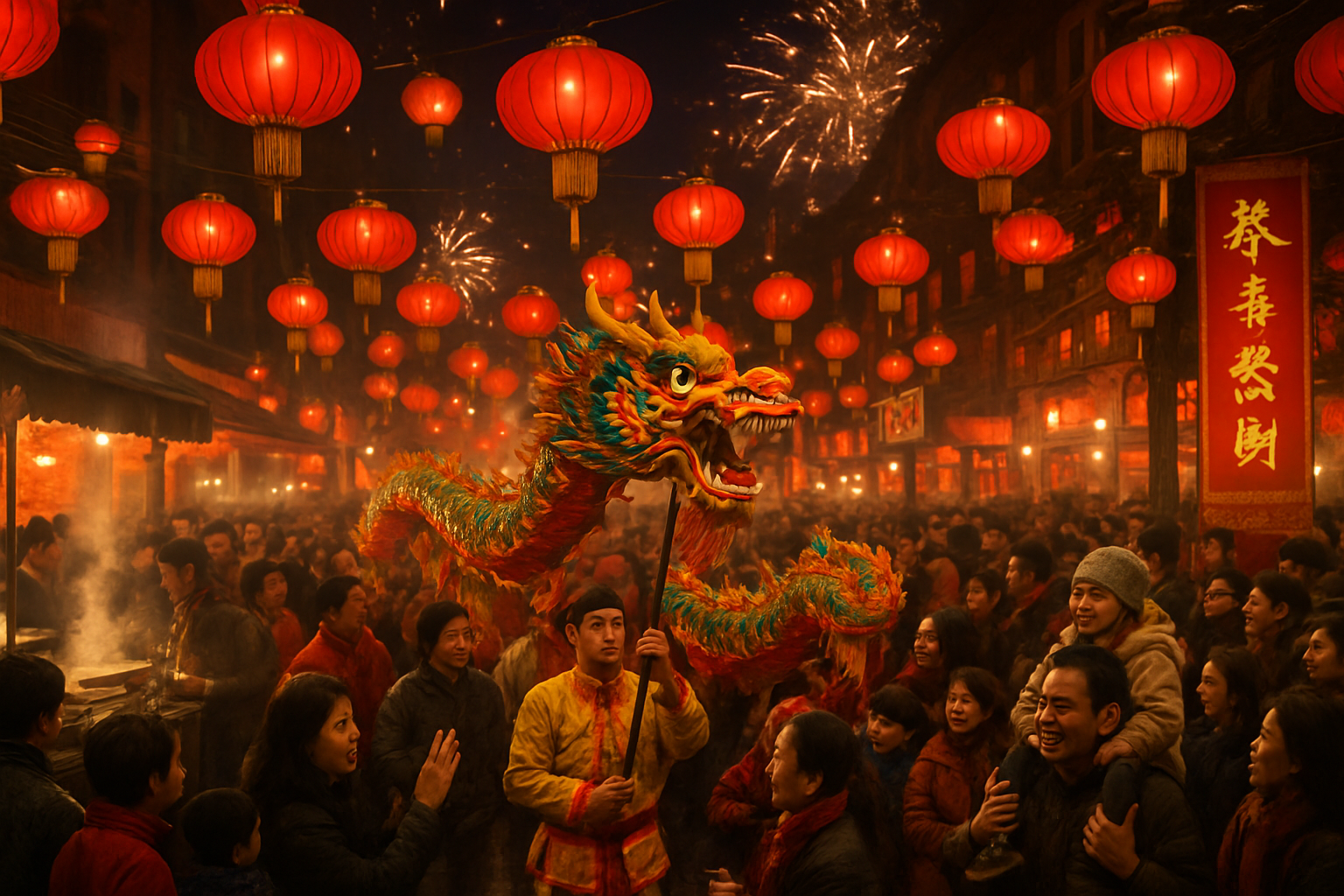
Communities across the globe are preparing for spectacular Chinese New Year celebrations on February 14, 2026, marking the beginning of the Year of the Horse with unprecedented international participation and cultural exchange programs.
The global celebration of Chinese New Year has evolved into one of the world's most widely observed cultural festivals, with communities from Central America to Southeast Asia organizing elaborate festivities that blend traditional Chinese customs with local cultural elements.
Central America Embraces Chinese Traditions
In Costa Rica, San José's vibrant Chinatown will host a comprehensive program of free cultural activities on February 14, organized by the Chinese Colony Association in Costa Rica in collaboration with the Municipality of San José and the Embassy of the People's Republic of China. The celebration promises to showcase both Chinese and Costa Rican cultural traditions through artistic performances, authentic cuisine, and interactive cultural experiences.
The festivities are part of welcoming the Year of the Horse, a zodiac sign that symbolizes energy, perseverance, work, and movement. The Horse is traditionally associated with periods of dynamism, the pursuit of progress, and determination - themes particularly resonant as communities emerge from recent global challenges.
Nicaragua has also embraced the Chinese New Year celebrations, with official ceremonies in Managua highlighting the strengthening diplomatic and cultural ties between Nicaragua and China. The country's celebration of the Year of the Horse serves as a symbol of energy and perseverance, reflecting the deeper bonds of friendship that have developed between the two nations.
Southeast Asian Celebrations and Travel Surge
Singapore, home to one of the world's largest overseas Chinese populations, is preparing for massive celebrations accompanied by unprecedented travel volumes. During the recent year-end school holidays, more than 22 million travelers crossed the Woodlands and Tuas checkpoints, according to the Immigration and Checkpoints Authority (ICA), with even heavier traffic expected during the Chinese New Year period as families reunite for the festivities.
The Lion City's preparations reflect the festival's dual nature as both a traditional cultural celebration and a modern international phenomenon. Singapore's strategic position as a cultural bridge between East and West makes it a focal point for Chinese New Year celebrations that attract visitors from across the globe.
Cultural Innovation and Modern Traditions
The 2026 celebrations showcase fascinating cultural innovations, including unexpected trends emerging from China itself. The popularity of Harry Potter's Draco Malfoy character has surged in China due to the transliteration of his surname "Ma Er Fu," which phonetically resembles "horse" in Mandarin - creating an amusing connection to the Year of the Horse theme.
This blend of global popular culture with traditional celebrations demonstrates how Chinese New Year has become a truly international festival that adapts and evolves while maintaining its core cultural significance. The phenomenon highlights the creative ways communities incorporate contemporary elements into ancient traditions.
Year of the Horse: Symbolism and Significance
The Horse occupies a special place in Chinese zodiac tradition, representing characteristics highly valued across cultures. Those born in Horse years are believed to possess natural leadership abilities, independence, and an adventurous spirit. The Horse's association with movement and progress makes it particularly symbolic for communities looking toward a dynamic and prosperous year ahead.
"The Year of the Horse brings with it themes of energy, perseverance, and forward movement that resonate universally across all cultures celebrating Chinese New Year."
— Chinese Colony Association, Costa Rica
Traditional celebrations typically feature horse-themed decorations, performances depicting the zodiac animal's characteristics, and special foods believed to bring good fortune in the coming year. The global nature of 2026's celebrations means these traditions are being interpreted through diverse cultural lenses, creating rich multicultural expressions of the festival.
Economic and Tourism Impact
The global scale of Chinese New Year celebrations generates significant economic activity and tourism revenue. Singapore alone has exceeded tourism revenue forecasts, while Hong Kong expects a 6% increase in Chinese visitors during the Lunar New Year period. The festival's economic impact extends far beyond traditional Chinese communities, benefiting local businesses, restaurants, cultural venues, and tourism industries worldwide.
Malaysia's Penang is preparing for the unique convergence of Chinese New Year and Ramadan, with hotels reporting 60% occupancy rates and expectations for increases as the celebrations approach. This intersection of major cultural celebrations demonstrates the increasingly cosmopolitan nature of global festival observances.
Cultural Diplomacy and International Relations
Chinese New Year celebrations serve as important vehicles for cultural diplomacy and international understanding. The partnerships between Chinese embassies, local governments, and cultural organizations in countries like Costa Rica and Nicaragua reflect how cultural festivals can strengthen bilateral relationships and promote mutual understanding between nations.
These celebrations provide opportunities for cultural exchange that transcend political boundaries, allowing communities to share traditions, food, art, and customs in festive, welcoming environments. The universal themes of renewal, family unity, and hope for prosperity create common ground for diverse communities to come together.
Looking Forward: A Global Celebration
The 2026 Chinese New Year celebrations represent a milestone in the festival's global evolution. From the free cultural activities in Costa Rica's Chinatown to the massive travel movements through Singapore's checkpoints, the festival has become a truly international phenomenon that celebrates both Chinese heritage and multicultural unity.
As communities worldwide prepare for February 14, the Year of the Horse promises to bring energy, determination, and forward movement to a global celebration that continues to grow in scope and significance. The festival's ability to adapt to local cultures while maintaining its essential character demonstrates the power of cultural traditions to bring people together across borders and differences.
The success of these global celebrations depends on continued collaboration between cultural organizations, government agencies, and local communities working together to create inclusive, authentic, and joyful experiences that honor Chinese traditions while embracing the diversity of the communities that celebrate them.