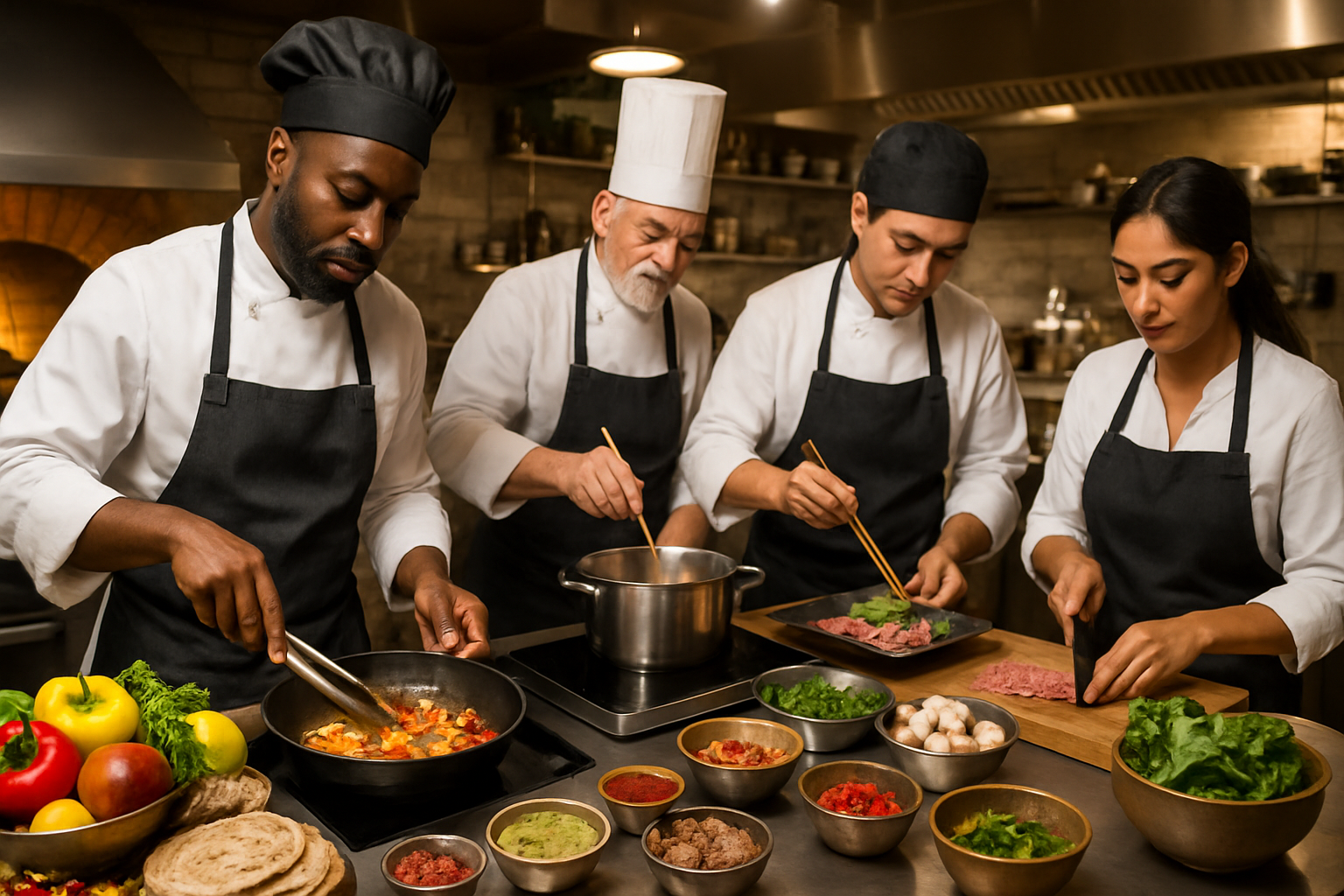
The global culinary landscape in March 2026 represents a sophisticated fusion of traditional craftsmanship and contemporary innovation, where starred chefs grapple with industry scandals while pioneering new concepts, and ancient brewing techniques find renewed relevance in defining regional terroir.
The Austrian Perspective: Authenticity Amid Industry Turbulence
German starred chef Max Strohe's recent commentary on the Noma scandal and its aftermath provides crucial insight into the current state of high-end gastronomy. Speaking about the broader implications of workplace culture in professional kitchens, Strohe emphasized that "a kitchen will never be a 'softened' place," addressing the fundamental tensions between culinary excellence and workplace standards that have dominated industry discourse following recent revelations.
This perspective emerges against the backdrop of René Redzepi's departure from Copenhagen's Noma restaurant in March 2026, following workplace abuse allegations from approximately 30 former employees. The scandal, which led to the cancellation of planned Los Angeles operations amid sponsor withdrawals, represents a broader reckoning within the fine dining sector regarding the normalization of toxic workplace cultures under the guise of culinary excellence.
Fusion Excellence: Cyprus Sets New Standards
While traditional fine dining grapples with cultural transformation, innovative fusion concepts are demonstrating how authentic culinary expression can thrive without compromising values. Kuzuba restaurant in Nicosia, Cyprus, exemplifies this evolution, earning recognition as the 12th best restaurant of 2025 according to Wiz Guide Cyprus.
"Kuzuba may be what many fusion restaurants aspire to be when they grow up: dining without gimmicks or pomposity, but with just a sprinkle of good-natured pretentiousness."
— Cyprus Mail Review
Operating since summer 2022 on one of Nicosia's main arteries, Kuzuba has established itself as a hidden gem through its philosophy of sourcing ingredients from small-scale local producers and neighborhood butchers. This approach demonstrates how fusion cuisine can achieve sophistication through authentic ingredient sourcing rather than conceptual complexity.
Terroir Revolution: Japan's Sake Musashi Initiative
In Kumagaya, Japan, Gonda Shuzo brewery represents a different but equally compelling approach to culinary innovation through its focus on Sake Musashi, a local rice cultivar designed to define the terroir of regional sake production. This initiative reflects the broader global movement toward hyper-local ingredient sourcing and the establishment of distinct regional food identities.
The emphasis on terroir-driven sake production aligns with contemporary culinary trends that prioritize authentic local expression over standardized approaches. By banking on Sake Musashi's unique characteristics, Gonda Shuzo positions itself within the growing "conscious consumption" movement where consumers increasingly value authentic cultural experiences and transparent production methods.
Portuguese Culinary Excellence: Michelin-Recommended Innovation
Portugal's contribution to the global culinary renaissance is exemplified by Manjar dos Leitões in Póvoa de Varzim, which has earned Michelin Guide recognition for expanding beyond its signature roast suckling pig. The restaurant demonstrates sophisticated ingredient sourcing and rigorous kitchen practices that extend quality excellence across diverse protein preparations.
This recognition comes during a period of remarkable Brazilian achievement in Portuguese cuisine, with Chef Angélica Salvador from Paraná becoming the first Brazilian to earn a Michelin star in Portugal, commanding a restaurant in Porto. This milestone represents breakthrough international recognition for Brazilian gastronomy and demonstrates successful integration of South American culinary traditions with European fine dining standards.
Swedish Restaurant Challenges: The Chicce Case Study
Sweden's dining scene provides a contrasting perspective through the struggles of "Italian" concept restaurant Chicce, which faces criticism for excessive balsamico usage and insufficient patronage. The restaurant's challenges with maintaining authentic Italian cuisine while attracting sufficient customers highlight the complex dynamics facing ethnic cuisine establishments in competitive urban markets.
The situation reflects broader challenges in the restaurant industry where authentic cultural expression must balance with commercial viability, particularly for establishments attempting to represent foreign culinary traditions in markets with sophisticated dining expectations.
Industry Context: Global Transformation Trends
These diverse culinary developments occur within a broader context of industry transformation. Recent Michelin Guide ceremonies have demonstrated increasingly rigorous standards, with Les Morainières in Savoie achieving the sole new three-star rating in France and Monaco for 2026. The ceremony's emphasis on affordable excellence, with recommendations under €40, reflects the democratization of culinary recognition across price points.
Simultaneously, the industry continues addressing fundamental workplace culture issues following high-profile scandals. The Noma situation, combined with similar revelations across the fine dining sector, has accelerated conversations about sustainable kitchen cultures that preserve culinary excellence while ensuring staff welfare.
Consumer Behavior Evolution
Contemporary dining culture increasingly values authentic experiences over standardized offerings. This shift is evidenced by the success of restaurants like Kuzuba, which eschew gimmicks in favor of genuine ingredient sourcing and cultural authenticity. Similarly, the focus on sake terroir reflects consumer appreciation for products with clear geographic identity and traditional production methods.
The "conscious consumption" movement continues driving premium pricing for culturally meaningful, health-conscious, and environmentally sustainable dining experiences. Restaurants that successfully communicate authentic stories about ingredient sourcing, cultural heritage, and production methods consistently outperform competitors focused solely on novelty or convenience.
Technology and Tradition Integration
Successful culinary innovation in 2026 demonstrates sophisticated integration of modern techniques with traditional knowledge systems. Portuguese restaurants combine contemporary service standards with heritage recipes, Japanese breweries employ modern quality control while preserving centuries-old fermentation practices, and fusion establishments leverage global ingredient access while respecting cultural authenticity.
This approach contrasts with purely technology-driven solutions that ignore cultural contexts, proving that sustainable culinary innovation requires respecting traditional wisdom while embracing beneficial technological advances.
Economic and Cultural Implications
The culinary developments analyzed represent significant economic multiplier effects extending beyond individual restaurants. Michelin recognition drives immediate reservation increases and attracts international food-focused travelers. Regional specialization, such as sake terroir development, supports local agricultural communities while creating premium brand positioning for export markets.
Culturally, these trends demonstrate food's role as diplomatic and economic soft power. Brazilian success in Portugal, Japanese terroir development, and Austrian industry leadership contribute to national cultural influence while supporting domestic employment and international trade relationships.
Future Trajectory: Sustainable Excellence
The March 2026 culinary landscape suggests a maturing industry that increasingly balances excellence with sustainability, tradition with innovation, and commercial success with cultural responsibility. The most successful establishments demonstrate that authentic cultural expression can achieve global recognition while maintaining community connections and ethical workplace practices.
As the industry continues evolving beyond the revelations and reckonings of recent years, the path forward appears to favor establishments that combine culinary excellence with authentic cultural storytelling, sustainable practices, and genuine community engagement. This represents a fundamental shift from purely technical achievement toward holistic cultural expression through food.
The convergence of these trends—from starred chef philosophy to sake terroir development—suggests that 2026 may represent a watershed moment when culinary innovation definitively embraces both cultural authenticity and sustainable business practices as essential components of lasting success in an increasingly sophisticated global dining market.