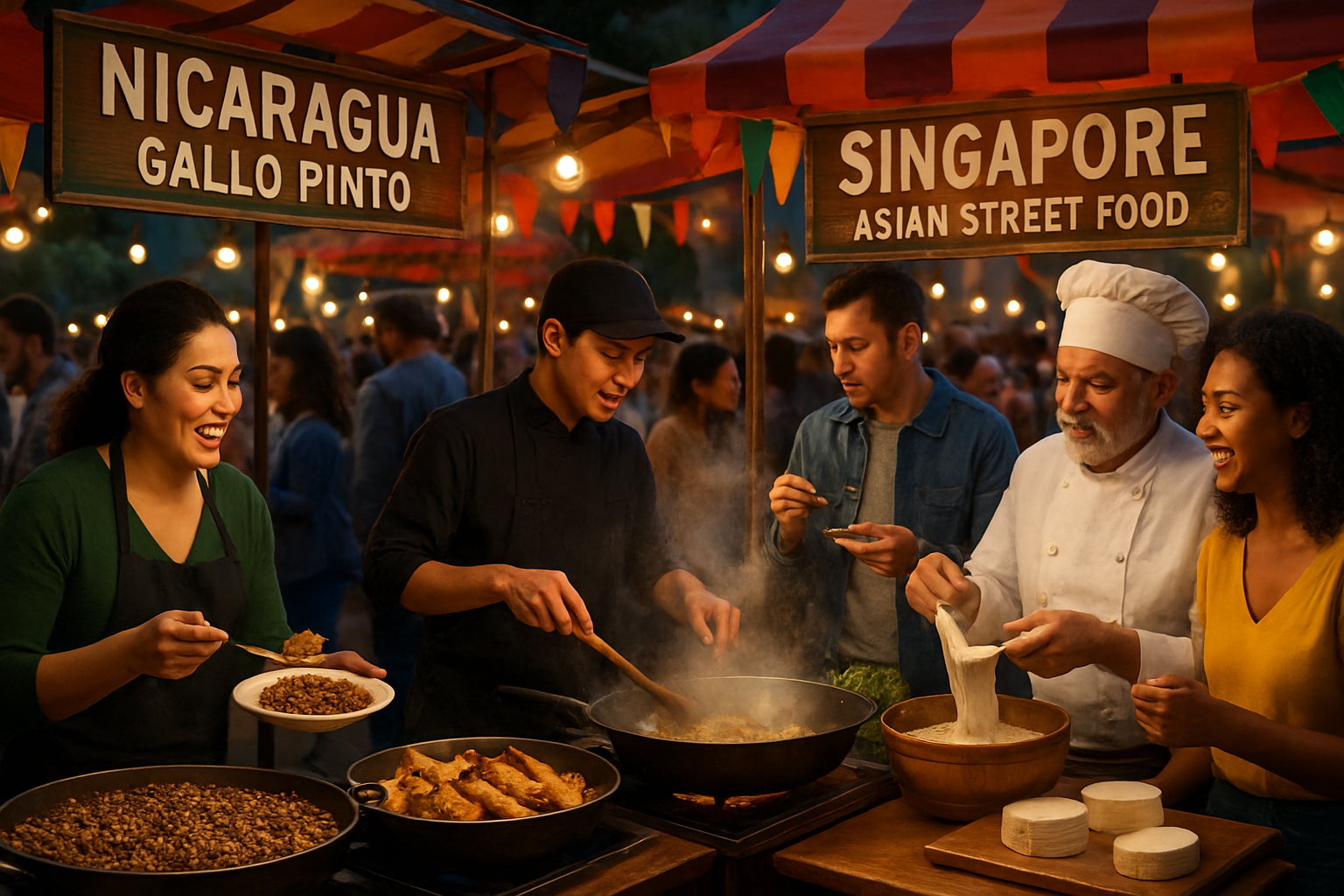
A remarkable culinary renaissance is transforming the global food landscape as nations across Latin America and Asia launch ambitious initiatives to celebrate their gastronomic heritage while pushing the boundaries of modern cuisine.
From Nicaragua's comprehensive festival programming to Singapore's exclusive fine dining experiences and Venezuela's historic cheese preservation efforts, March 2026 represents a pivotal moment in international food culture. These developments reflect a broader movement toward cultural authenticity, premium positioning, and the strategic use of cuisine as diplomatic soft power.
Nicaragua Unveils Ambitious Culinary Festival Calendar
Nicaragua's co-president has announced an extensive program of more than a dozen gastronomic festivals planned for 2026, marking the country's most ambitious culinary tourism initiative to date. The festivals will showcase the nation's signature dishes including cacao, gallo pinto, fritanga, quesillos, and vigorón, representing centuries of indigenous, Spanish, and Caribbean culinary fusion.
The announcement comes as Nicaragua simultaneously inaugurates new cultural and gastronomic spaces in León's Plaza Parque Juan José Quezada. These renovated facilities include a modernized kiosk and a dedicated gastronomic plaza designed to support local entrepreneurs and strengthen community food culture.
"These festivals represent more than just food celebration—they are vehicles for cultural preservation, tourism development, and entrepreneurial empowerment."
— Nicaragua Tourism Development Official
The strategic timing of these initiatives aligns with global trends toward authentic culinary experiences and cultural tourism. Nicaragua's approach combines traditional preparation methods with contemporary presentation standards, creating opportunities for both cultural preservation and economic development.
Singapore's Elite Culinary Scene Reaches New Heights
Southeast Asia's culinary landscape achieves new levels of sophistication as seven leading restaurants prepare exclusive off-menu creations for UOB's "Asia's Finest Tables" program. This initiative represents the region's evolution toward ultra-premium dining experiences that rival established culinary capitals.
The program offers priority access to select cardholders for signature dishes and unique culinary creations unavailable to the general public. This development reflects Singapore's strategic positioning as Asia's premier gastronomic destination, building on the city-state's reputation for culinary excellence and innovation.
The initiative demonstrates how traditional Asian cuisines are being elevated through sophisticated presentation, premium ingredients, and exclusive access models that command significant price premiums. This approach represents a fundamental shift from volume-based to value-based culinary tourism.
Venezuela Pursues Protected Heritage Status for Guayanés Cheese
In a historic development for Venezuelan gastronomy, Aprolac Bolívar is leading a comprehensive technical process to secure Protected Geographical Indication (PGI) and Designation of Origin status for traditional Guayanés cheese. This initiative aims to standardize quality while projecting the regional specialty toward international markets.
The cheese designation represents more than just product protection—it embodies Venezuela's commitment to preserving traditional food production methods while meeting modern international standards. The process involves documentation of traditional production techniques, quality control protocols, and geographic specificity requirements.
This initiative reflects broader trends across Latin America where traditional food products are being repositioned as premium heritage brands for export markets. The approach combines cultural authenticity with contemporary quality assurance, creating sustainable economic opportunities for rural communities.
Global Context: The New Culinary Diplomacy
These developments occur within a broader international context where cuisine serves increasingly important diplomatic and economic functions. Countries are recognizing that authentic food culture provides competitive advantages in tourism, international trade, and cultural influence.
The timing is particularly significant as global food trends increasingly favor authenticity over standardization, traditional methods over industrial processing, and cultural storytelling over generic marketing. This shift creates opportunities for countries with rich culinary traditions to compete effectively in premium international markets.

Economic and Cultural Implications
The economic implications of these culinary initiatives extend far beyond immediate tourism revenue. Nicaragua's festival programming creates year-round employment opportunities, supports local agricultural producers, and develops hospitality infrastructure with lasting benefits.
Singapore's premium dining initiatives position the city-state for continued growth in high-value tourism segments, while Venezuela's cheese designation efforts could unlock significant export opportunities and preserve traditional production methods for future generations.
These developments also reflect changing consumer preferences toward experiential consumption, cultural authenticity, and premium positioning. The global "conscious consumption" movement increasingly values traditional production methods, cultural storytelling, and sustainable practices over purely price-based competition.
Technology and Tradition Integration
A common thread across these initiatives is the sophisticated integration of modern technology with traditional practices. Digital marketing platforms enable global reach while preserving authentic cultural content. Modern quality control systems enhance traditional production methods without compromising cultural integrity.
This approach represents a maturation in cultural preservation strategies, moving beyond simple protection toward active promotion and commercial development. The most successful initiatives demonstrate that technology can amplify rather than replace traditional practices when implemented thoughtfully.
Regional Competition and Cooperation
The simultaneous emergence of culinary initiatives across different regions suggests both competition and cooperation in global food culture development. Countries are learning from successful models while developing unique approaches based on their specific cultural assets and market positioning.
Singapore's premium positioning complements rather than competes with Nicaragua's festival approach or Venezuela's heritage preservation efforts. Each strategy targets different market segments while contributing to overall global culinary diversity and sophistication.
Future Implications and Challenges
The success of these initiatives will likely influence similar programs worldwide as countries recognize cuisine's strategic importance for economic development and cultural influence. However, implementation challenges include maintaining authenticity while scaling commercially, balancing traditional methods with modern safety standards, and developing appropriate infrastructure for sustained growth.
Climate considerations also affect these programs, as changing weather patterns influence traditional ingredients and production methods. Successful initiatives will need adaptive strategies that preserve cultural authenticity while responding to environmental changes.
The convergence of these developments in March 2026 suggests a watershed moment in global culinary culture, where traditional practices are being elevated through strategic positioning, technology integration, and international cooperation. The outcomes may define how cultural heritage assets are developed and promoted in an increasingly interconnected world.