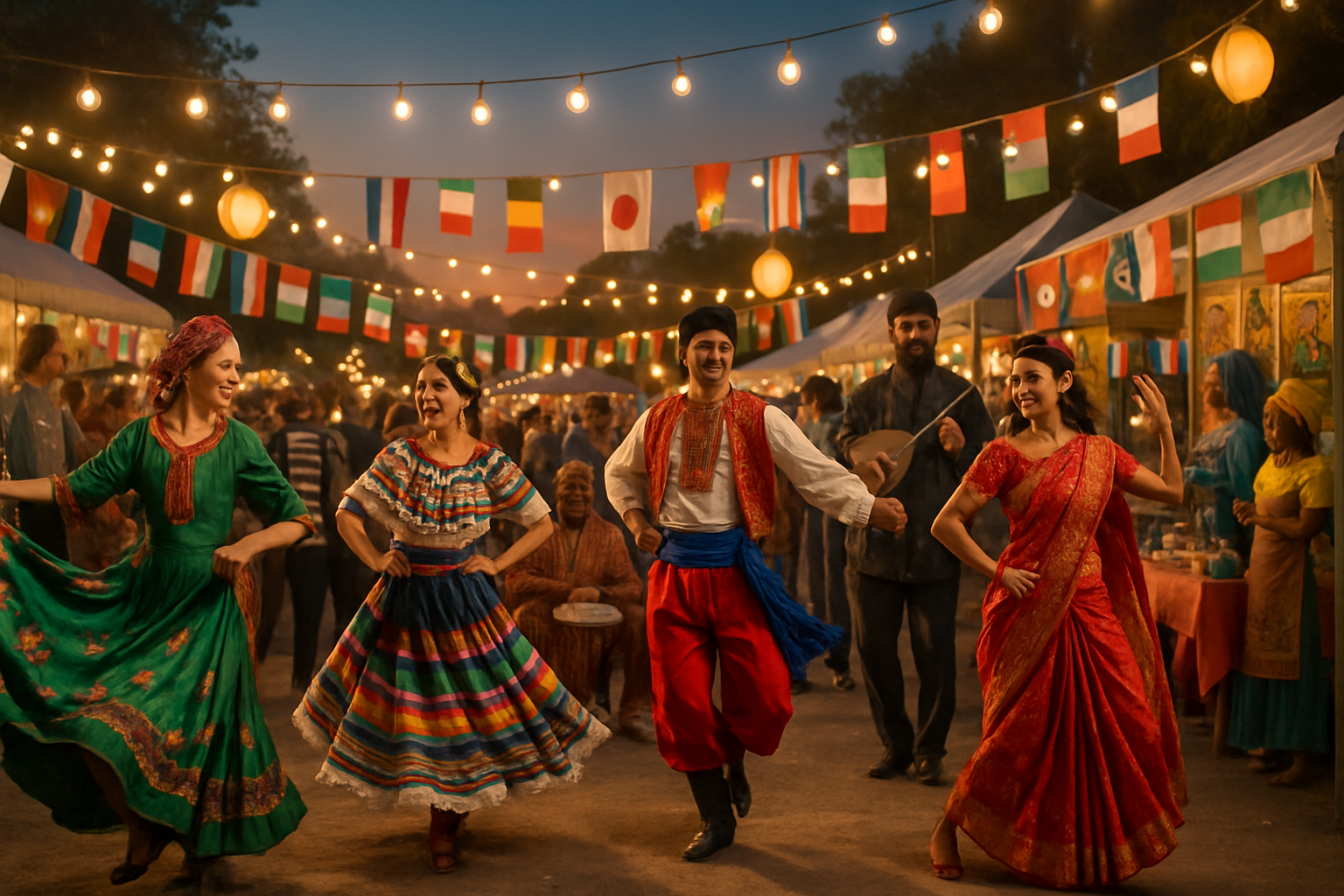
Cultural festivals across seven nations are demonstrating remarkable resilience and creativity in March 2026, building on what experts now recognize as the most significant global cultural renaissance period in modern history.
From the streets of Managua to the prestigious stages of Riga, communities worldwide are celebrating heritage, fostering international cooperation, and creating innovative programming that bridges traditional arts with contemporary expression. These events represent far more than entertainment—they constitute essential cultural infrastructure serving multiple community functions simultaneously.
Central American Cultural Empowerment
In Nicaragua, the second edition of the Concurso Mujer Creativa 2026 has captured national attention by recognizing female entrepreneurs and their innovative contributions to the country's creative sector. The competition, which celebrates women's creativity and business acumen, reflects a broader trend across Latin America of using cultural programming to address social development goals.
The city of Boaco has emerged as a cultural hotspot, combining celebrations honoring women with its historic 131st anniversary festivities. These events feature comprehensive programming including cultural activities, civic recognitions, and artistic presentations that strengthen local identity while fostering community pride. Mayor officials emphasize how these celebrations serve as platforms for intergenerational dialogue and cultural knowledge transfer.
European Cultural Sophistication
Latvia has positioned itself at the forefront of European cultural excellence through multiple high-profile events. The Monte Carlo Ballet's performances of "Romeo and Juliet" at the Dailes Theatre represent one of the most prestigious cultural exchanges in the Baltic region, featuring the renowned company "Les Ballets de Monte-Carlo" under the artistic direction of Jean-Christophe Maillot.
"These international collaborations demonstrate culture's power to transcend borders while celebrating our shared humanity."
— Cultural Ministry Representative, Latvia
The aftermath of Latvia's GAMMA music awards has generated significant cultural momentum, with industry professionals and artists celebrating at exclusive afterparties that highlight the country's growing reputation as a regional cultural hub. These events showcase how smaller European nations can achieve outsized cultural influence through strategic programming and authentic artistic expression.
Portuguese Regional Renaissance
Portugal's Festival da Silarca in the village of Cabeça Gorda, Beja, exemplifies how regional communities can create internationally recognized cultural programming. The festival celebrates silarcas, mushrooms integral to Alentejana gastronomy, demonstrating how food culture can serve as the foundation for broader cultural celebration and regional tourism development.
This approach reflects a sophisticated understanding of cultural programming where authentic local traditions become vehicles for economic development, community engagement, and cultural preservation. The festival's success provides a template for rural communities seeking to leverage unique cultural assets for sustainable development.
Nordic Innovation in Heritage Preservation
Lithuania has made remarkable strides in cultural programming through the international Marco Scacchi festival of early music. Under the leadership of Vytautas Gailevičius, the festival continues attracting world-renowned performers while maintaining its commitment to historical authenticity and educational programming.
The festival's success demonstrates how countries can build international reputations in specialized cultural niches, attracting global audiences and establishing themselves as centers of excellence in specific artistic disciplines. This approach proves particularly effective for smaller nations seeking to maximize cultural investment returns through focused, high-quality programming.
Technology Integration and Cultural Authenticity
Across all these celebrations, a consistent pattern emerges regarding technology's role in contemporary cultural programming. Rather than replacing traditional elements, digital platforms and modern production techniques are being used to amplify authentic cultural expressions and enable broader international participation.
Social media engagement has enabled these festivals to reach global audiences while maintaining community-centered programming. This synthesis approach allows traditional cultural forms to thrive in contemporary contexts while preserving essential spiritual and community-building functions that have sustained these practices across generations.
Economic and Diplomatic Impact
The economic significance of these cultural events extends far beyond immediate ticket sales and tourism revenue. These festivals create lasting cultural infrastructure including performance networks, artistic collaborations, and community organizations that remain active year-round, serving as bridges between different cultural communities.
Countries investing in authentic cultural programming are seeing returns through enhanced international recognition, strengthened diplomatic relationships, and positioning as attractive destinations for both leisure and business travel. This cultural diplomacy proves particularly valuable for smaller nations seeking to enhance their global standing through soft power projection.
Community Engagement and Social Cohesion
Perhaps most significantly, these festivals demonstrate culture's essential role in creating meaning, fostering connection, and building community resilience. From Nicaragua's women empowerment initiatives to Latvia's international ballet presentations, these events serve multiple societal functions: heritage preservation, community bonding, economic development, and intergenerational dialogue.
The success of these diverse cultural initiatives during what historians may well recognize as the "March 2026 Cultural Renaissance" provides practical models for communities worldwide seeking to balance tradition with innovation, local authenticity with global appeal, and artistic excellence with community accessibility.
Future Implications
As these festivals continue evolving, they establish precedents for 21st-century cultural stewardship that successfully synthesizes heritage preservation with contemporary innovation. The template emerging from March 2026 suggests that sustainable cultural development requires community leadership, authentic representation, strategic technology integration, and economic viability through cultural tourism and educational partnerships.
These celebrations represent humanity's remarkable capacity for cultural resilience, international cooperation, and the celebration of diverse traditions. They demonstrate that in an interconnected world, authentic cultural expression can unite communities across borders while maintaining the distinctive identities that make each tradition unique and valuable.
The ongoing success of these international cultural festivals suggests that the global cultural renaissance of 2026 may well establish lasting frameworks for cultural cooperation, providing templates for future generations seeking to honor their heritage while embracing the opportunities of an interconnected world.