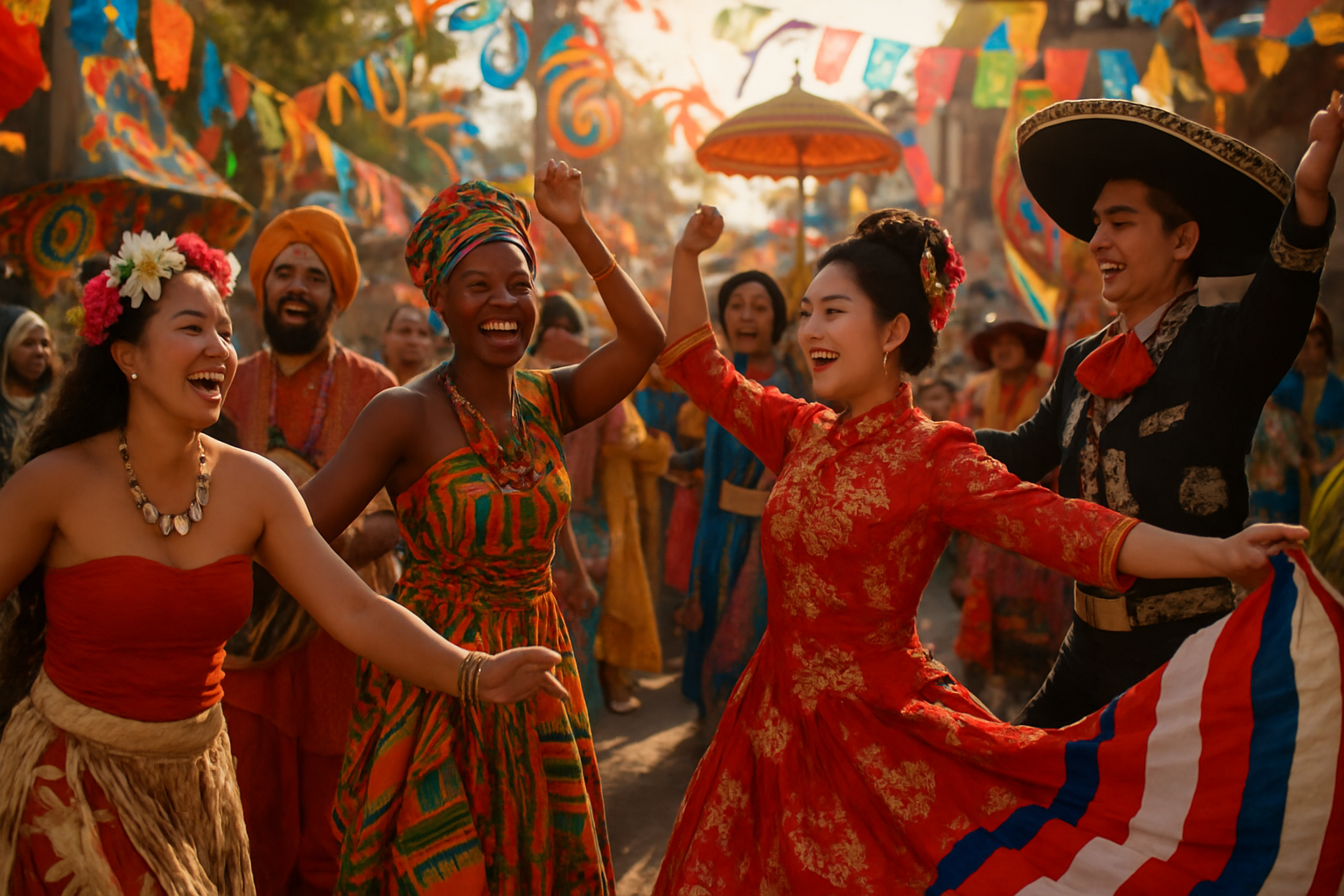
A global cultural renaissance is unfolding this February as countries across three continents celebrate their heritage through vibrant festivals that emphasize both tradition and innovation, marking a pivotal moment in international cultural preservation efforts.
The spectacular Winter Festival of the City of Reykjavík 2026 officially opened Thursday evening with a grand ceremony, extending celebrations across all six municipalities of Iceland's capital region. This year's festival focuses on the interplay between light and shadow, providing artistic respite during the country's darkest months while showcasing Iceland's commitment to cultural expression during challenging winter conditions.
Tanzania Balances Heritage with Investment in Cultural Festival Circuit
Meanwhile, in East Africa, Tanzania's Minister for Information, Youth, Culture, and Sports, Riziki Pembe, addressed critical cultural preservation concerns during the renowned Sauti za Busara Festival on Zanzibar. Speaking to investors and festival organizers, Minister Pembe emphasized the need to respect Zanzibar's traditions, values, and cultural norms when developing cultural tourism initiatives.
"Zanzibar has investor-friendly infrastructure that supports various sectors, including the arts, business, and film, but this environment must honor our cultural authenticity."
— Riziki Pembe, Minister for Information, Youth, Culture, and Sports
The minister's remarks highlight Zanzibar's growing reputation as a destination for cultural investors, citing the filming of The Royal Tour as evidence of the island's favorable investment climate. Under President Dr Hussein Mwinyi's leadership, the Revolutionary Government of Zanzibar continues improving infrastructure to attract more investors while maintaining cultural integrity.
China-ASEAN Diplomatic Celebrations Mark Historic Anniversary
The Asia-Pacific region witnessed significant cultural diplomacy as China and ASEAN countries jointly celebrated the Chinese Spring Festival, marking the 35th anniversary of dialogue relations and the 5th anniversary of their Comprehensive Strategic Partnership. These celebrations coincide with the Year of the Horse in the Chinese calendar, adding symbolic significance to the diplomatic milestone.
The collaborative festivities demonstrate how traditional cultural celebrations increasingly serve as vehicles for international cooperation and regional integration, with Southeast Asian nations embracing Chinese cultural traditions while maintaining their own distinct identities.
Cultural Heritage as Strategic Infrastructure
These developments continue the global cultural renaissance documented throughout early 2026, building on successful initiatives across multiple continents. From Cyprus's amateur theatre revival and Latvia's Eurovision preparations to Zimbabwe's institutional cultural reforms, countries are recognizing culture as strategic infrastructure with measurable economic and diplomatic benefits.
The success of February's cultural events demonstrates several key factors driving this renaissance:
- Community engagement remaining central to cultural programming success
- Technology serving as enhancement rather than replacement for traditional cultural experiences
- Economic viability through cultural tourism and international partnerships
- Institutional support providing frameworks for sustainable cultural development
Economic Impact and International Cooperation
The economic dimensions of cultural events extend far beyond ticket sales and tourism revenue. Iceland's Winter Festival supports local artists and businesses during traditionally lean winter months, while Tanzania's Sauti za Busara Festival positions Zanzibar as a premier destination for cultural investment in East Africa.
The China-ASEAN celebrations represent sophisticated cultural diplomacy that strengthens trade relationships and regional stability through shared cultural experiences. This approach mirrors successful cultural cooperation initiatives documented across other regions, including Egypt-Azerbaijan poetry exchanges and Rwanda's emergence as a regional creative innovation hub.
Preserving Authenticity in Global Markets
A common thread across these diverse celebrations is the challenge of maintaining cultural authenticity while engaging global audiences and international investment. Tanzania's emphasis on respecting traditional values reflects broader concerns about cultural preservation in an increasingly interconnected world.
Minister Pembe's call for responsible cultural investment echoes similar initiatives worldwide, where governments seek to balance economic opportunities with heritage protection. This approach has proven successful in other cultural preservation efforts, from Guatemala's "Juego de Gallos" traditional game advancement toward Intangible Cultural Heritage status to Bolivia's multimedia approach to folk arts preservation.
Technology Integration and Cultural Innovation
The festivals demonstrate how modern cultural events successfully integrate technology while preserving traditional elements. Iceland's Winter Festival incorporates contemporary lighting and digital art installations alongside traditional Nordic cultural expressions, creating immersive experiences that appeal to both local communities and international visitors.
This technology-tradition synthesis reflects broader trends in cultural programming, where digital platforms amplify rather than replace authentic cultural practices. The approach enables traditional cultural forms to reach new audiences while maintaining their essential character and community significance.
Looking Forward: Cultural Renaissance Continues
As these February celebrations unfold, they contribute to a documented pattern of international cultural cooperation and heritage preservation that began intensifying in early 2026. The success of winter festivals in Iceland, cultural preservation efforts in Tanzania, and diplomatic celebrations across Asia-Pacific provides templates for cultural institutions worldwide seeking relevance while preserving authentic cultural expression.
The coordinated timing and success of these diverse cultural initiatives suggests countries are leveraging culture for international standing and economic development while fostering community engagement and heritage preservation. This balance between local authenticity and global appeal represents a mature approach to 21st-century cultural policy that emphasizes sustainable development through international cooperation.
The ongoing cultural renaissance demonstrates that traditional festivals and heritage celebrations remain powerful tools for community building, economic development, and international diplomacy, providing hope for cultural preservation efforts worldwide as communities seek to maintain their unique identities in an increasingly globalized world.