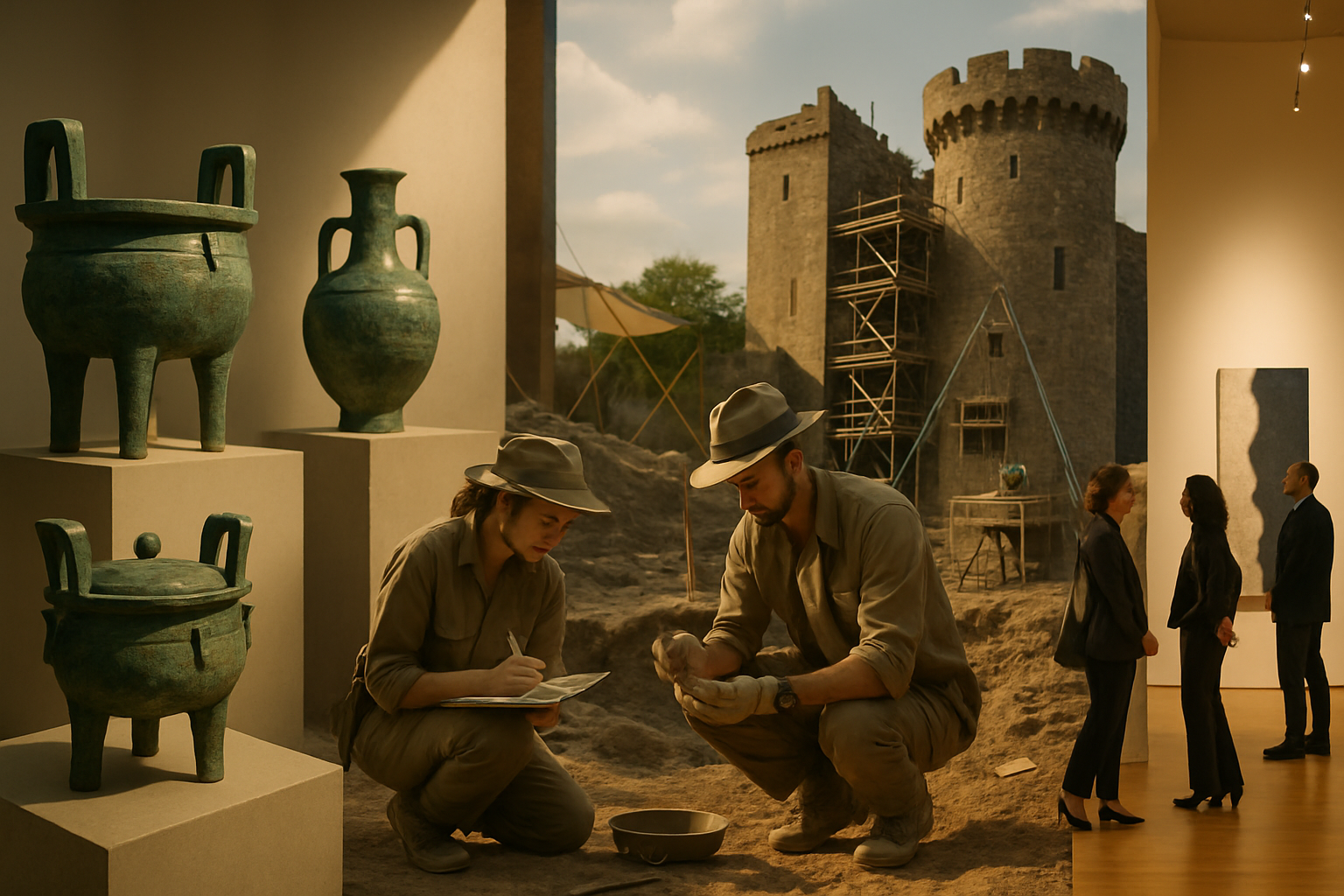
A remarkable wave of cultural heritage and arts initiatives is sweeping across continents in February 2026, as communities from Armenia to Saint Vincent and the Grenadines demonstrate innovative approaches to preserving cultural identity while embracing contemporary artistic expression.
The diverse range of programs reveals a sophisticated understanding of how cultural preservation can thrive through active engagement rather than static museum displays, creating vibrant platforms for intergenerational dialogue and international cooperation.
Armenian Cultural Excellence in Massachusetts
The National Association for Armenian Studies and Research (NAASR) exemplifies this approach through its upcoming special musical performance by acclaimed pianist Tanya Bartevyan on March 5, 2026, at the NAASR Vartan Gregorian Building in Belmont, Massachusetts. Supported by grants from the Belmont Cultural Council and Massachusetts Cultural Council, the event represents a sophisticated fusion of classical excellence with ethnic cultural identity.
Bartevyan's program showcases works by two distinguished American composers: Florence Price (1887/88-1953) and Dianne Goolkasian Rahbee (born 1938), both masters who uniquely combine classical genres with their respective ethnic cultural backgrounds. This programming choice highlights a critical theme emerging across the global cultural landscape - the power of identity and belonging expressed through artistic excellence.
"Both masters uniquely combine the classical genre with their ethnic cultural backgrounds, highlighting themes of identity and belonging."
— NAASR Program Description
Meanwhile, California's Armenian Legislative Caucus Foundation has launched its 2026 Armenian Genocide Remembrance Scholarship Contests, inviting high school students (grades 9-12) to participate in essay and visual arts competitions marking the 111th anniversary of the Armenian Genocide. This educational initiative demonstrates how cultural memory can be transmitted through creative expression while building awareness among younger generations.
Estonia's Artistic Innovation Renaissance
Estonia's cultural scene showcases the successful integration of traditional and contemporary arts. The 2026 Station Narva festival has added six new artists to its September 3-6 lineup, including triple Estonian Music Award winners SADU, demonstrating the country's commitment to supporting both emerging and established artistic talent.
Perhaps most significantly, Estonian kinetic and sound art pioneer Kaarel Kurismaa's solo show "Intermezzo" has opened in Zurich, marking the first time his groundbreaking 1990s works have been exhibited together internationally. This recognition represents a crucial milestone for Estonian contemporary art on the global stage, validating the country's innovative artistic contributions during its post-Soviet cultural renaissance.
Adding to Estonia's cultural richness, the Rothko Museum announces its spring exhibition season with six new projects, continuing the institution's mission to present challenging contemporary art while honoring its connection to the legendary abstract expressionist Mark Rothko, whose family roots connect to the Baltic region.
Greek Language and Cultural Celebration
Greece's commitment to cultural preservation takes a distinctly educational approach through the celebration of the 1st World Greek Language Day. The Arsakeio Helleno-Albanian College in Tirana serves as a focal point for this initiative, demonstrating how educational institutions can serve as bridges between communities while preserving linguistic heritage.
This celebration represents more than linguistic preservation; it embodies the broader principle that language serves as a living repository of cultural knowledge, values, and worldview. The Albanian setting adds particular significance, showing how Greek cultural influence extends beyond national borders through diaspora communities committed to maintaining their cultural identity.
Caribbean Cultural Heritage: The Garifuna Renaissance
Saint Vincent and the Grenadines presents perhaps the most comprehensive approach to cultural heritage preservation through two major initiatives centered on Garifuna culture. The upcoming Garifuna Folk Festival on March 6th will bring together primary and secondary schools to celebrate the rich cultural heritage of the Garifuna people, emphasizing community participation and educational integration.
Complementing this celebration, the 13th International Garifuna Conference, scheduled for March, adopts the theme "Sacred Grounds, Strategic Goals: Inclusion," signaling a sophisticated approach that views cultural preservation as inherently connected to social justice and community empowerment.
These events reflect a mature understanding of cultural heritage as living tradition rather than historical artifact, requiring active participation and continuous adaptation to remain relevant while maintaining essential characteristics.
Technology Enhancing Traditional Arts
Across all these initiatives, technology serves as an enhancement tool rather than a replacement for traditional cultural expression. From digital documentation of Garifuna traditions to online platforms supporting Armenian scholarship applications, communities are demonstrating sophisticated strategies for using modern tools to amplify rather than diminish authentic cultural experiences.
This technological integration represents a crucial evolution in cultural preservation methodology. Rather than viewing digital tools as threats to authenticity, these communities recognize technology's potential to create broader access, enable international cooperation, and provide new platforms for cultural education while maintaining the essential human connections that give cultural traditions their meaning.
Economic and Social Impact
The economic implications of these cultural initiatives extend far beyond their immediate programming costs. Cultural tourism, educational partnerships, and international recognition create sustainable revenue streams that support broader community development. Estonia's international art exhibitions position the country as a serious cultural destination, while Armenia's educational programs strengthen diaspora connections that support both cultural preservation and economic development.
The Garifuna initiatives in Saint Vincent and the Grenadines demonstrate how cultural celebration can serve multiple community development goals simultaneously - education, tourism promotion, social cohesion, and international recognition - creating multiplier effects that justify public investment in cultural programming.
International Cooperation and Cultural Diplomacy
These diverse initiatives reflect broader trends toward international cultural cooperation and soft diplomacy through arts and heritage programming. The Armenian programs in Massachusetts demonstrate diaspora communities' role in maintaining cultural bridges, while Estonia's international exhibitions show how smaller nations can achieve global cultural influence through artistic excellence.
Greece's language celebration in Albania and the international Garifuna conference both exemplify how cultural heritage can transcend national boundaries while maintaining authentic local expression. This balance between global reach and cultural authenticity represents a sophisticated evolution in cultural programming strategy.
Future Implications for Cultural Heritage
The February 2026 wave of cultural heritage and arts initiatives suggests several important trends for the future of cultural preservation. Communities are increasingly viewing culture as strategic infrastructure rather than optional programming, recognizing its role in education, economic development, social cohesion, and international relations.
The success of these diverse approaches - from classical music performances to contemporary art exhibitions to traditional cultural festivals - demonstrates that cultural preservation thrives through diversity of methods and platforms rather than adherence to rigid preservation models.
Most significantly, these initiatives show how cultural heritage can serve as a foundation for innovation rather than a constraint on contemporary expression. The Armenian composers who fused classical and ethnic traditions, the Estonian artist bringing 1990s kinetic art to international audiences, and the Garifuna communities adapting traditional celebrations for contemporary educational goals all demonstrate culture's capacity for evolution while maintaining essential identity characteristics.
As these programs continue to develop throughout 2026, they provide valuable templates for communities worldwide seeking to preserve cultural heritage while engaging contemporary audiences and building sustainable economic models. Their success suggests that the future of cultural preservation lies not in static museum approaches but in dynamic, community-engaged programming that honors tradition while embracing innovation.