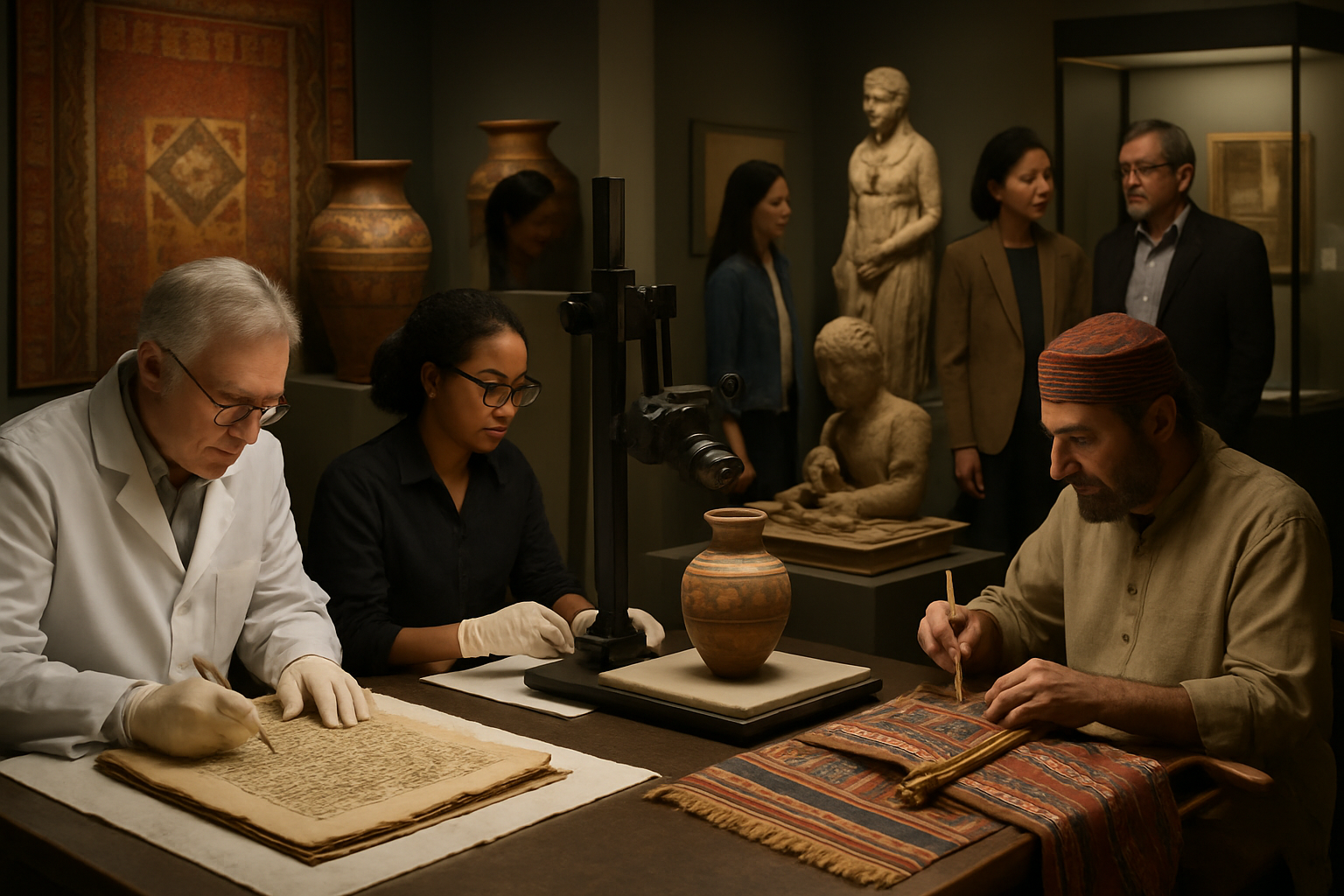
An extraordinary wave of cultural heritage preservation and artistic celebration is sweeping across four continents, as Belgium, Algeria, Monaco, and Gabon simultaneously demonstrate sophisticated approaches to balancing traditional preservation with contemporary innovation, marking what cultural experts are calling the continuing momentum of the "February 2026 Cultural Renaissance."
Belgium: Historic Museum Wings Gain Protected Status
The Belgian Institute of Natural Sciences in Brussels, better known as the Dinosaurs' Museum, achieved a significant conservation milestone this week as two of its historic wings received official heritage protection status. The neoclassical Janlet wing has been classified as a protected monument, while the Vestel wing has been added to the official protection list.
"The dinosaurs and skeletons in the museum are already historic, but now the building itself is also being recognised," announced Brussels State Secretary for Monuments Ans Persoons (Flemish socialist Vooruit), highlighting the growing recognition that cultural institutions themselves serve as vital heritage artifacts.
This development reflects Belgium's broader commitment to preserving not only the collections within museums but the architectural heritage that houses them. The protection status ensures these 19th-century structures will be maintained according to strict conservation standards while continuing to serve their educational mission for future generations.
Algeria: Inaugural African-Mediterranean Forum Celebrates Cultural Bridge-Building
In a groundbreaking initiative, Algeria's Ministry of Culture and Arts announced the organization of the first African-Mediterranean Forum of Thought, scheduled for April 28-30, following Pope Leo XIV's upcoming visit. Culture and Arts Minister Malika Ben Douda unveiled the program during a press conference marking the installation of new festival commissioners.
This inaugural edition will celebrate Saint Augustine, one of the most prominent figures in human thought, demonstrating Algeria's strategic positioning as a cultural bridge between Africa and the Mediterranean basin. The forum represents a sophisticated approach to cultural diplomacy, emphasizing intellectual dialogue and cross-cultural understanding through shared historical heritage.
The timing of this initiative underscores Algeria's growing role in international cultural cooperation, building on successful heritage preservation efforts including recent archaeological discoveries and ongoing partnerships with European and African cultural institutions.
Monaco: Art Week Returns with International Participation
Monaco Art Week returned for its eighth edition under the High Patronage of His Serene Highness Prince Albert II, bringing together 14 international participants for five days of exhibitions, encounters, and artistic debate from April 27 to May 1. The event demonstrates Monaco's commitment to maintaining its position as a premier destination for international art appreciation.
The festival's format combines galleries, auction houses, and artists in a comprehensive cultural program that transforms the Principality into a dynamic cultural hub. This year's edition builds on seven years of success in attracting international art professionals and collectors to Monaco's unique setting.
Monaco's approach exemplifies how smaller nations can achieve significant cultural influence through sustained excellence and strategic programming. The principality's cultural calendar has become increasingly sophisticated, offering year-round programming that complements major international events.
Gabon: Fashion Heritage Through Contemporary Expression
Gabonese designer Linda Remichi is gaining international recognition for her innovative approach to preserving traditional African textile heritage through contemporary fashion. Born to a seamstress mother, Remichi has built her career around transforming raffia—a traditional African fiber—into modern artistic expression.
Her work represents a compelling example of "living heritage" methodology, where traditional craft techniques remain vibrant community elements rather than static museum displays. Remichi's designs demonstrate how cultural preservation can serve both heritage protection and economic development, creating sustainable models for artisan communities.
This approach aligns with broader African initiatives to position traditional crafts within contemporary global markets while maintaining authentic cultural connections and providing meaningful employment for local artisans.
Technology and Tradition: A Global Synthesis
Across all four nations, a sophisticated pattern emerges where digital tools amplify rather than replace traditional cultural practices. Belgian museum documentation employs advanced conservation techniques while maintaining authentic exhibition experiences. Algeria's forum planning utilizes modern communication platforms to coordinate international participation while honoring traditional intellectual exchange formats.
Monaco's Art Week leverages digital marketing and virtual engagement to extend global reach while preserving the intimate character of personal art appreciation. Gabon's fashion heritage demonstrates how traditional techniques can be enhanced through contemporary design and international promotion platforms.
"These initiatives show culture serving multiple functions simultaneously: heritage preservation, community engagement, economic development, and international cooperation."
— Cultural Heritage Analysis, Planet News Investigation
Economic Multiplier Effects
The economic dimensions of these cultural initiatives extend far beyond immediate tourism revenue. Belgium's museum protection status ensures long-term preservation investment while attracting academic researchers and cultural tourists. Algeria's international forum positions the country as a premier destination for intellectual tourism and academic conferences.
Monaco's Art Week generates substantial revenue through art sales, hospitality, and international media attention, creating year-round cultural infrastructure including galleries, restoration services, and cultural education programs. Gabon's fashion heritage initiatives demonstrate how traditional crafts can generate sustainable income for local communities while enhancing the country's international cultural profile.
These economic benefits create positive feedback loops, enabling communities to invest further in cultural preservation while demonstrating the practical value of heritage stewardship to policymakers and funding organizations.
Community-Centered Cultural Programming
A fundamental shift is evident across these initiatives from elite cultural consumption toward dynamic community-engaged programming that serves multiple societal functions. Belgium's museum protection ensures continued public access while honoring the institution's educational mission. Algeria's intellectual forum emphasizes broad participation and international dialogue rather than exclusive academic conferences.
Monaco's Art Week, while attracting high-end collectors, also includes educational components and public programming that serve the local community. Gabon's fashion heritage initiatives are rooted in traditional craft communities, ensuring that economic benefits reach the artisans whose knowledge and skills make the cultural expression possible.
International Cooperation and Cultural Diplomacy
These developments occur within the context of unprecedented international cooperation in cultural preservation and celebration. The coordination evident across these four diverse nations—spanning Europe, North Africa, and Central Africa—demonstrates the emergence of sophisticated frameworks for cultural collaboration that transcend traditional diplomatic and economic relationships.
Success factors include authentic representation emerging from communities themselves, institutional support that facilitates rather than directs cultural programming, sustainable economic models that reduce vulnerability to external shocks, and international cooperation that respects local distinctiveness while fostering global understanding.
Climate and Contemporary Challenges
All four initiatives address contemporary challenges including climate change threats to cultural heritage, economic pressures affecting traditional arts participation, and digital entertainment competition for attention and engagement. Solutions emphasize adaptive strategies that respect traditional practices while embracing helpful technological and methodological innovations.
Climate adaptation is particularly urgent, with traditional construction materials and outdoor cultural practices facing unprecedented environmental pressures. Successful programs demonstrate contingency planning that protects both participants and cultural assets while maintaining essential community functions.
Templates for 21st-Century Cultural Stewardship
The success of these diverse initiatives provides practical templates adaptable to varied cultural and economic circumstances worldwide. Key principles include:
- Technology enhancement rather than replacement of traditional cultural practices
- Community engagement with traditional knowledge bearers as foundation
- Economic viability through sustainable cultural tourism and educational partnerships
- International cooperation that shares resources while maintaining local authenticity
- Adaptive management that addresses contemporary challenges while honoring historical integrity
These principles demonstrate how authentic cultural expression can achieve global appeal while maintaining local significance, creating sustainable models that serve community needs while achieving international recognition.
Future Implications
The coordination evident across Belgium, Algeria, Monaco, and Gabon in April 2026 represents more than isolated cultural programming—it demonstrates humanity's remarkable capacity for cultural resilience and creative adaptation in addressing contemporary challenges while honoring past achievements.
This global cultural renaissance offers compelling evidence that thoughtful investment in cultural preservation and celebration can create lasting positive impacts that honor the past while embracing future possibilities. As communities worldwide increasingly recognize culture as essential infrastructure equivalent to transportation, communication, and healthcare systems, these initiatives provide inspiration and practical guidance for building resilient, culturally rich societies.
The window for effective coordinated cultural action appears to be expanding rather than narrowing, offering hope that the lessons learned from this remarkable period of international cultural cooperation will continue to enrich global civilization while honoring the distinctive traditions and identities that make each community unique.